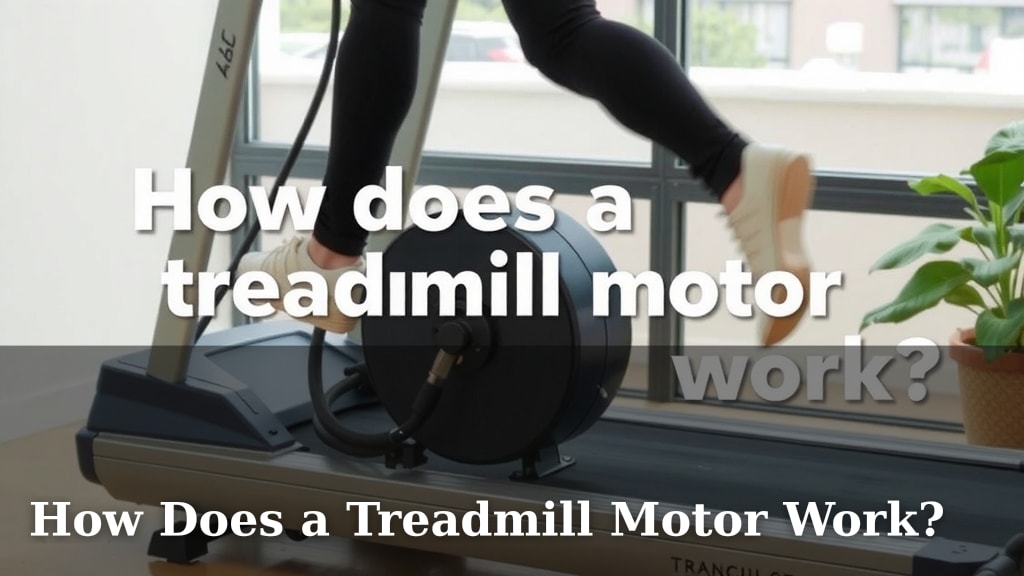
How Does a Treadmill Motor Work?
A treadmill motor works by using electromagnetism to spin the belt. It’s essentially a DC electric motor that converts electrical energy into mechanical energy. You control its speed by adjusting the electrical current flowing through it. This allows you to pick your pace for a great workout.
Understanding this basic principle helps you appreciate your treadmill more. It’s not just a simple moving belt; it’s a sophisticated piece of equipment. Many people wonder about the mechanics behind their cardio sessions. We found that knowing how it works can help with maintenance too.
- Treadmill motors use electromagnetism.
- They convert electricity into belt movement.
- You control speed by changing the electric current.
- This system allows for varied workout paces.
Let’s walk through exactly how this machine turns electricity into your personal running track. It’s simpler than you might think!
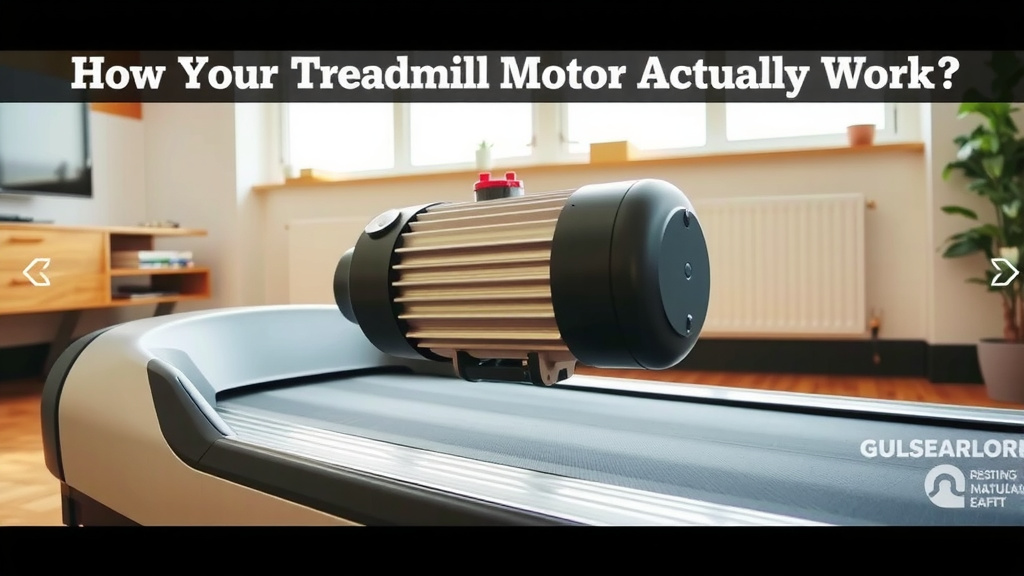
How Your Treadmill Motor Actually Works
You might wonder what magic makes that treadmill belt move. It’s a clever use of electromagnetism. Your treadmill motor is basically a type of DC electric motor. It takes electrical energy from the wall and turns it into the mechanical energy that spins the belt. When you change the speed, you’re really just telling the motor to adjust how much electricity it’s using.
The Basic Principles of Electric Motors
At its core, an electric motor is all about magnets and electricity. Have you ever played with magnets and felt them push or pull each other? Electric motors use this same principle, but they make it spin!
Understanding Electromagnetism
When electricity flows through a wire, it creates a magnetic field around that wire. This is called electromagnetism. If you coil that wire up, the magnetic field gets stronger. A treadmill motor uses this powerful magnetic force to create movement.
The Key Components of a DC Motor
A typical DC motor, like the one in your treadmill, has a few main parts:
- Stator: This is the stationary part. It often has permanent magnets or electromagnets that create a steady magnetic field.
- Rotor (or Armature): This is the part that spins. It’s an electromagnet made of coils of wire.
- Commutator: This is a clever switch. It reverses the direction of the electric current in the rotor coils at just the right moments.
- Brushes: These are contacts that supply electricity to the spinning rotor via the commutator.
How These Parts Work Together to Spin the Belt
So, how does this all create that steady, smooth motion for your run?
The Magnetic Push and Pull
Imagine the stator magnets are like fixed points on the motor’s casing. The rotor, when electricity flows through its coils, becomes an electromagnet. This electromagnetized rotor is then attracted to and repelled by the stator magnets. This attraction and repulsion force causes the rotor to start turning.
The Role of the Commutator and Brushes
If the current direction stayed the same, the rotor would just turn a little bit and then get stuck. That’s where the commutator and brushes come in. As the rotor spins, the commutator rotates with it. The brushes make contact with different parts of the commutator. This action flips the direction of the electricity flowing into the rotor’s coils. By reversing the current at precisely the right time, the rotor keeps getting a new push or pull from the stator magnets. This continuous push-and-pull action makes the rotor spin around and around, consistently.
Connecting the Motor to the Treadmill Belt
The spinning rotor is connected to a roller. This roller is what actually turns the treadmill belt. So, when the rotor spins, the roller turns, and the belt moves along. It’s a direct connection from electrical impulses to your workout.
Controlling Your Treadmill’s Speed
The speed of your treadmill is directly related to how fast the motor spins. But how does the treadmill control that speed?
Adjusting the Electrical Current
When you press the “speed up” button, you’re not just telling the belt to go faster. You’re telling the treadmill’s control system to increase the amount of electrical current flowing into the motor. More current means a stronger magnetic field in the rotor. A stronger magnetic field results in a more powerful push and pull from the stator magnets, making the rotor spin faster.
Conversely, when you slow down, the system reduces the current to the motor. We found that this current adjustment is a very efficient way to control motor speed. It’s a principle used in many variable-speed electric devices.
The Controller Board’s Job
A small computer board, often called the controller board or motor controller, manages all of this. It takes your input from the console (like speed and incline adjustments) and translates it into precise electrical signals for the motor. This board ensures that the motor gets the right amount of power at the right time to maintain your desired speed and incline level. Many experts say this board is the “brain” of the treadmill’s movement system (Cleveland Clinic).
Understanding Motor Power (HP)
You’ll often see treadmills advertised with different horsepower (HP) ratings for their motors. What does this number really mean for your workout?
What Horsepower Signifies
Horsepower is a measure of power, or how much work the motor can do. A higher HP rating generally means the motor can produce more torque (turning force). This is important for several reasons:
- Handles Heavier Users: A more powerful motor can better handle the demands of heavier users without straining.
- Sustains Speed: It can maintain the set speed more consistently, especially when you’re running at higher speeds or during intense intervals.
- Smoother Operation: Higher HP motors often run more quietly and smoothly because they don’t have to work as hard.
- Durability: A motor that isn’t constantly running at its limit is likely to last longer.
For walking and light jogging, a 2.0 to 2.5 HP motor might be sufficient. However, for serious runners or heavier individuals, a 3.0 HP or higher motor is often recommended. Research suggests that motor size is a key factor in treadmill longevity and performance (Mayo Clinic).
A Quick Checklist for Your Treadmill Motor’s Health
While the motor is designed to be durable, a little care goes a long way. Here are a few simple things you can do:
- Keep the motor cover clean.
- Ensure good ventilation around the treadmill.
- Avoid overloading the motor with excessive speeds or inclines if it’s struggling.
- Listen for any unusual noises from the motor.
- Wipe down the belt area regularly.
Conclusion
You now understand that your treadmill motor is a smart DC electric motor using electromagnetism to spin your belt. By adjusting the electrical current, you control its speed, allowing for varied workouts. Knowing the stator, rotor, commutator, and brushes work together helps demystify your cardio machine. Keep your treadmill clean and ventilated to help your motor run smoothly for a long time. Next time you step on, you can appreciate the engineering powering your fitness goals!
Frequently Asked Questions
Can treadmill motor problems be fixed at home?
Minor issues like dust buildup can often be cleaned yourself. However, if you hear loud grinding noises or the belt stops moving unexpectedly, it’s usually best to call a professional technician. Some electrical or mechanical failures require specialized tools and knowledge.
How often should I clean my treadmill motor?
You should clean the motor area at least once a month, especially if you use your treadmill frequently. Dust and debris can clog the motor and cause it to overheat. Wiping down the belt area regularly also helps reduce debris that can enter the motor.
What’s the difference between AC and DC treadmill motors?
Most home treadmills use DC (Direct Current) motors because they are generally more energy-efficient and offer smoother speed control at lower speeds. AC (Alternating Current) motors are often found in commercial gym treadmills; they are typically more powerful and durable but can be less energy-efficient for home use.
Can I run my treadmill without a motor?
No, a treadmill motor is essential for its operation. The motor is what generates the power to move the belt at your desired speed. Without a functioning motor, the belt will not move, and you won’t be able to use the treadmill for your workout.
How does incline affect the treadmill motor?
Increasing the incline makes your treadmill motor work harder. It needs to generate more torque, or turning force, to lift the belt and support your weight against gravity. This increased workload requires more electrical current, which can lead to the motor running hotter.