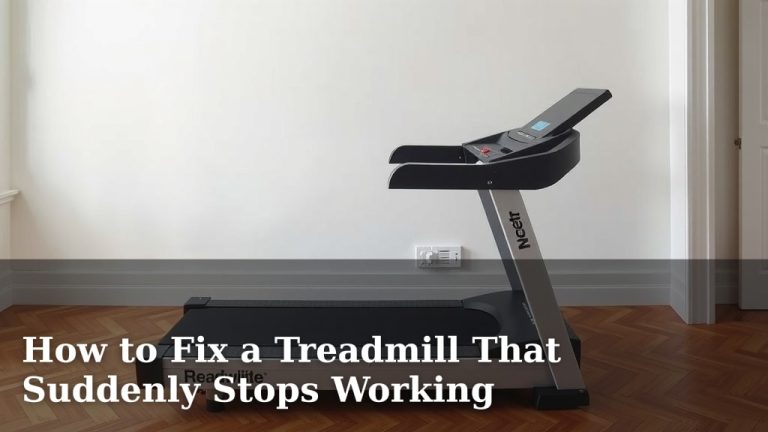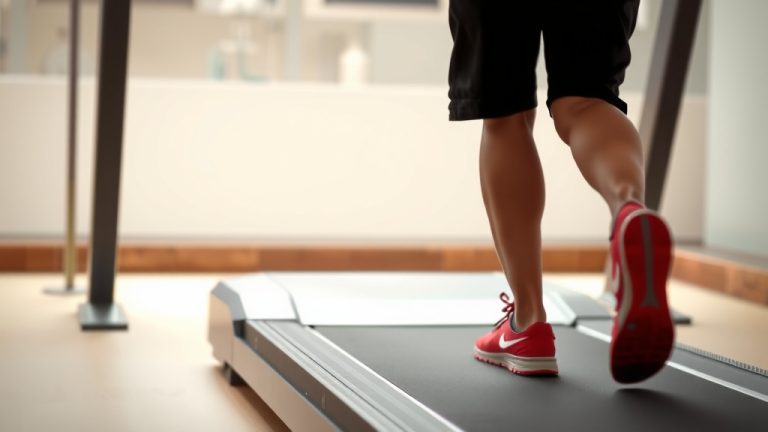

How to Lubricate a Treadmill Belt
The easiest way to lubricate your treadmill belt is by applying a silicone-based lubricant directly to the underside of the belt. This simple maintenance can **prevent damage**, **improve performance**, and **extend the life** of your treadmill. You’ll want to do this regularly to keep things running smoothly.
Proper treadmill belt lubrication is often overlooked, but it’s key to a quiet workout and a well-functioning machine. Many experts suggest this is one of the easiest ways to avoid costly repairs. Think of it like oiling a squeaky door hinge – a little goes a long way!
- Lubricate your treadmill belt to prevent wear.
- Use a silicone-based spray or lubricant.
- Apply directly to the underside of the belt.
- Regular maintenance saves money and hassle.
Let’s walk through exactly how to get your treadmill belt properly lubricated, step by step.
Keeping Your Treadmill Running Smoothly: A Lubrication Guide
Your treadmill belt needs a little love to keep it working well. Just like a car needs oil, your treadmill belt needs lubrication. This helps reduce friction. Less friction means your motor doesn’t have to work as hard. We found that this simple step can make a big difference in how long your machine lasts.
Why Lubricating Your Treadmill Belt Matters
You might wonder if this is really necessary. Yes, it absolutely is! A dry belt can cause all sorts of problems. You might notice your treadmill starts to slow down, even when you’re not running. It can also lead to a lot of annoying noise. Think of it like this: a squeaky hinge on a door is more than just irritating; it’s a sign that the hinge needs attention. Your treadmill belt is no different.
Preventing Unnecessary Wear and Tear
When the belt and the deck are dry, they rub against each other. This creates excessive friction. Over time, this friction wears down both the belt and the deck. Replacing these parts can be quite expensive. Lubrication creates a slick surface. This protects the components from premature wear. Many service technicians agree that regular lubrication is a top way to avoid costly repairs (The Fitness Source).
Improving Treadmill Performance
A properly lubricated belt moves more freely. This allows your treadmill to maintain a consistent speed. You’ll notice a smoother running experience. Your workout feels better, and the machine performs as it should. This means you can focus on your run, not on any weird sounds or jerky movements.
Extending the Lifespan of Your Treadmill
Regular maintenance, like lubrication, is key to longevity. It keeps all the parts working together harmoniously. By reducing stress on the motor and other components, you’re helping your treadmill last for many years. It’s an investment in your home gym equipment.
What You’ll Need for the Job
Gathering your supplies beforehand makes the process much easier. You don’t need a lot of fancy tools. Most of what you need is readily available at hardware stores or online. Having everything ready means you can get the job done quickly and efficiently.
Choosing the Right Lubricant
This is where many people get confused. You need a specific type of lubricant for treadmill belts. Silicone-based lubricants are the gold standard. Why silicone? Because it’s safe for the belt material, which is often a synthetic rubber or PVC blend. It also doesn’t break down easily under pressure or heat.
- Silicone Spray: This is the most common and easiest to find. Look for sprays specifically designed for treadmills.
- Silicone Lube Bottle: Some brands offer a liquid silicone lubricant in a bottle with an applicator. This can be useful for precise application.
What should you avoid? Many common household lubricants, like WD-40, are not suitable. They can actually damage the belt and the deck. They can also attract dust and dirt, which is the opposite of what you want. Always check the product label to ensure it’s treadmill-safe.
Other Helpful Items
Besides the lubricant, here are a few other things that will make the job cleaner and easier:
- Paper towels or a clean cloth: For wiping up any excess lubricant.
- Gloves (optional): To keep your hands clean.
- Screwdriver or Allen wrench (check your manual): You might need this to slightly lift the belt.
Step-by-Step: How to Lubricate Your Treadmill Belt
Now for the main event! Let’s get your treadmill lubricated. It’s a straightforward process that shouldn’t take too long once you get the hang of it. Safety first, of course!
1. Safety First: Unplug Your Treadmill
This is the most important step. Always unplug your treadmill from the power outlet before you start any maintenance. This prevents the belt from accidentally starting while your hands are near it. A running treadmill can cause serious injury. Seriously, double-check that it’s unplugged!
2. Access the Underside of the Belt
You need to get the lubricant onto the underside of the belt. There are a couple of ways to do this:
Option A: Gently Lift the Belt
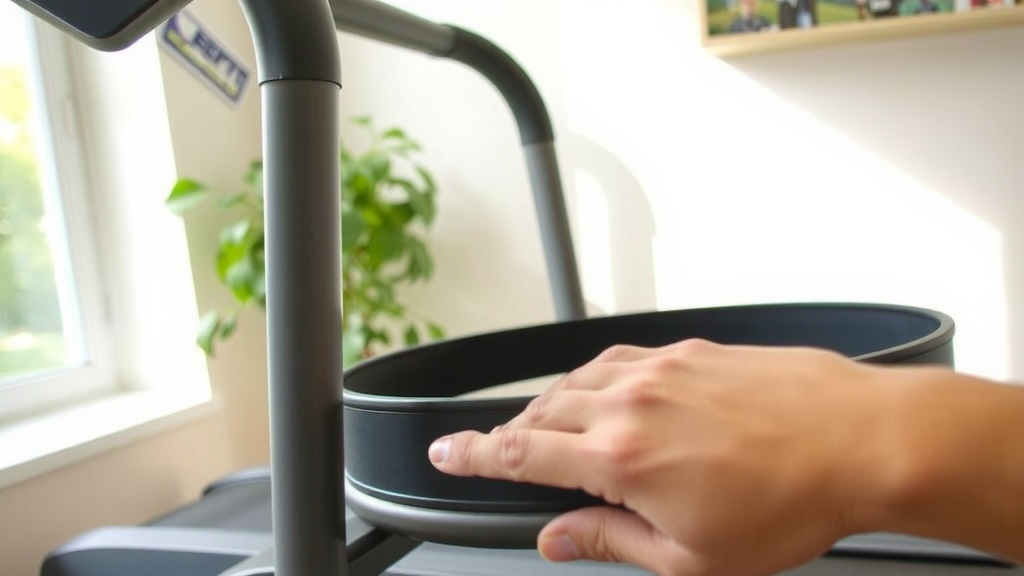
You can often lift the edge of the belt yourself. Gently pull up on the front edge of the belt. You should be able to get enough space to spray or apply the lubricant underneath. You only need to lift it a few inches.
Option B: Use a Tool (If Needed)
For some treadmills, you might need to loosen the deck slightly. Check your owner’s manual for specific instructions. Some manuals suggest using a screwdriver or Allen wrench to create a small gap. This is less common, but good to be aware of. We found that most people don’t need this step.
3. Apply the Lubricant
Once you have access to the underside of the belt, it’s time to apply the lubricant. Follow these tips:
- Even Application is Key: Aim to apply the lubricant evenly across the underside of the belt.
- Don’t Overdo It: A little goes a long way. You don’t want the belt to be dripping wet.
- How Much to Use: For a spray, a few short bursts along the length of the belt should be enough. If using a bottle, a thin, even line is usually sufficient.
We recommend applying the lubricant in sections. Work your way from the front of the treadmill towards the back. Try to cover the entire width of the belt. Research suggests that focusing on the center area where the most contact occurs is effective (American Fitness).
4. Distribute the Lubricant
After applying, you need to help the lubricant spread. This ensures it coats the entire surface that touches the deck.
Run the Treadmill Slowly
Plug your treadmill back in. Start the belt at a very slow speed, around 1-2 miles per hour. Let it run for 2-3 minutes. This allows the movement to spread the lubricant evenly. You should see the belt smoothly glide.
Wipe Away Excess
Turn off and unplug the treadmill again. Use your paper towels or cloth to wipe away any lubricant that may have dripped onto the side rails or the frame. This keeps things tidy and prevents any accidental slips.
How Often Should You Lubricate?
The frequency of lubrication depends on how often you use your treadmill. Most manufacturers recommend lubricating your treadmill belt every 3 to 6 months. However, usage is the biggest factor. If you use your treadmill daily for long runs, you might need to lubricate it more often. If you use it just a few times a week, every 6 months might be fine.
A good rule of thumb is to listen to your treadmill. If you start hearing squeaking sounds or notice a decrease in performance, it’s likely time for some lubrication. Many experts suggest checking the belt’s dryness visually every few months as well.
Treadmill Lubrication Checklist
Here’s a quick checklist to help you remember the key steps:
- Unplug the treadmill before starting.
- Gather your silicone-based lubricant and cloths.
- Lift the belt edge to access the underside.
- Apply lubricant evenly, but don’t overdo it.
- Run the belt slowly to distribute the lubricant.
- Wipe up any excess lubricant.
Conclusion
You’ve now learned how simple treadmill belt lubrication can be. By following these steps, you’re actively preventing wear, ensuring a smoother workout, and ultimately extending your treadmill’s life. It’s a small bit of maintenance that pays big dividends in performance and avoids costly repairs down the road. Don’t let your treadmill fall into disrepair. Make a plan to lubricate your belt this week and keep your home gym running perfectly for years to come!
Frequently Asked Questions
Can I use any lubricant on my treadmill belt?
No, you should only use a silicone-based lubricant specifically designed for treadmills. Household lubricants like WD-40 can damage the belt and deck, attracting more dirt and causing issues.
How do I know if my treadmill belt needs lubrication?
Listen for squeaking or grinding sounds during your workout. You might also notice the belt slowing down or performing erratically. These are clear signs that friction is too high.
What if I can’t lift the edge of the belt easily?
Check your treadmill’s owner’s manual for specific instructions. Some models may require slightly loosening the deck or offer an alternative method for accessing the underside of the belt.
Is it okay to spray lubricant on the top of the belt?
You should never spray lubricant on the top of the belt. This can create a slip hazard and is not where the lubrication is needed. Always apply it directly to the underside of the belt.
How much lubricant should I use?
Use lubricant sparingly. A few short bursts of spray or a thin, even line from a bottle is usually enough. You want a light coating, not a pool of liquid, to avoid making the belt too slick.