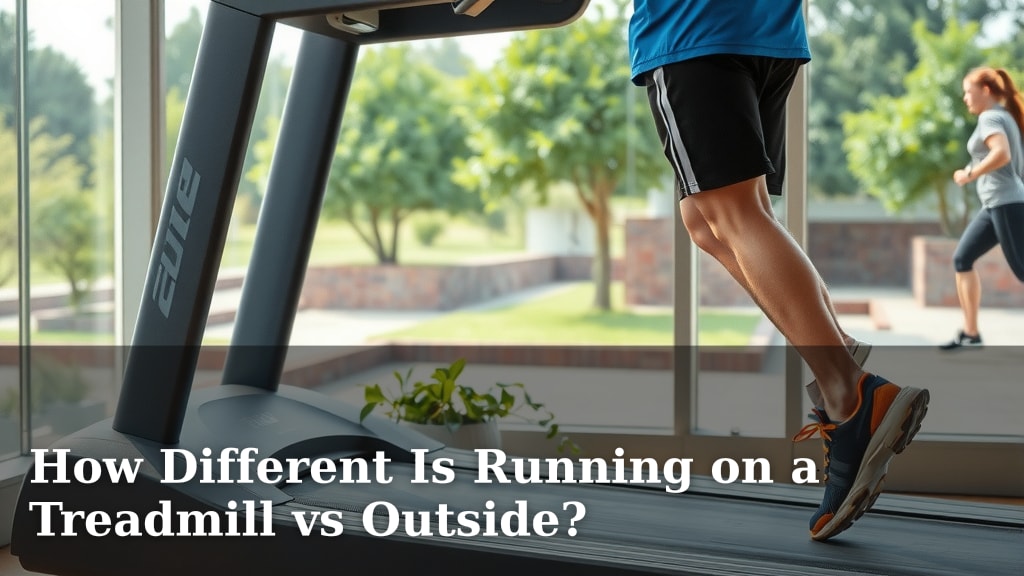
How Different Is Running on a Treadmill vs Outside?
Running on a treadmill feels noticeably different from running outside, primarily because the treadmill belt moves beneath you, reducing the effort needed to propel yourself forward. You’ll often find that running the same pace outdoors requires more energy and engagement of your leg muscles compared to on a treadmill. This means treadmill running can be a bit easier on your body for the same speed.
While both activities offer cardiovascular benefits, the environment plays a huge role. Running outside engages stabilizer muscles more due to uneven terrain and wind resistance. You also get to experience the mental boost of fresh air and scenery. Many runners find the outdoor experience more engaging and less monotonous than treadmill sessions.
- Treadmills reduce the effort to move forward.
- Outdoor running uses more stabilizer muscles.
- Wind resistance and terrain make outside harder.
- Scenery and fresh air add to outdoor running’s appeal.
- Both are great for cardio, but feel different.
Let’s break down exactly how running on a treadmill compares to hitting the pavement or trails.
Understanding the Core Differences Between Treadmill and Outdoor Running
You might be wondering how running on a treadmill stacks up against the great outdoors. While both activities get your heart pumping, there are some key distinctions to be aware of. We’ve found that the environment and the mechanics of each type of running impact your body and your workout differently.
How Your Body Works Differently
When you’re on a treadmill, the belt is doing some of the work for you. It moves backward, meaning you don’t have to push off the ground as forcefully with each stride. This can lead to a feeling of running with less effort, even at the same pace.
Muscle Engagement
Running outside requires more from your muscles. You need to actively push off the ground with every step. This engages your leg muscles, like your hamstrings and glutes, more intensely. Outdoor running also forces your body to engage stabilizer muscles. These small muscles help you maintain balance on uneven terrain. Think of them as your little bodyguards keeping you upright!
The Role of the Treadmill Belt
On a treadmill, the belt is smooth and predictable. It doesn’t require the same kind of control or balance adjustments. This can mean you might use slightly less energy to maintain a given pace compared to running on a path with varied surfaces.
Variations in Impact
The surface you run on makes a difference too. Treadmills often have cushioned decks. This can be gentler on your joints, especially your knees and ankles. Outdoor surfaces like pavement can be harder. Trails can be uneven. These variations present different kinds of impact and challenges for your body.
Environmental Influences on Your Run
The world around you plays a big part in your running experience. Outdoor running exposes you to elements that treadmills simply can’t replicate.
Wind Resistance
When you run outside, you battle wind resistance. This acts like an extra brake, forcing your body to work harder. You have to push through the air. On a treadmill, there’s no wind. The air is still, making it feel a bit like running in a vacuum. This lack of resistance is a major reason why the same pace feels easier indoors.
Terrain and Uneven Surfaces
Nature isn’t always perfectly flat. You’ll encounter hills, bumps, and varying ground textures when running outside. This constantly challenges your balance and requires your muscles to make micro-adjustments. You’re not just running; you’re navigating. Treadmills offer a flat, consistent surface. This makes navigation a non-issue, but it also means fewer opportunities to develop those crucial balance skills.
Temperature and Weather
Running outside means dealing with the weather. Hot sun, cold wind, rain, or snow all affect your body’s performance and how you feel. You might sweat more in the heat or feel sluggish in the cold. Treadmills keep you in a climate-controlled environment. This allows for a more predictable experience, regardless of what’s happening outside.
Cardiovascular Workout and Calorie Burn: What the Numbers Say
Both running on a treadmill and running outdoors are excellent for your heart health. However, the actual calorie burn can differ. Many studies suggest that to achieve a similar cardiovascular effect, you might need to run at a slightly higher intensity on a treadmill compared to outdoors.
A common guideline is to increase the treadmill incline by about 1% to mimic outdoor running conditions. This helps to compensate for the lack of wind resistance. We’ve found that without this adjustment, a treadmill run might burn slightly fewer calories than an outdoor run at the same perceived effort. For example, a 10-minute mile outdoors might burn more calories than a 10-minute mile on a treadmill, especially if the treadmill is set to zero incline.
The Psychological Side of Running
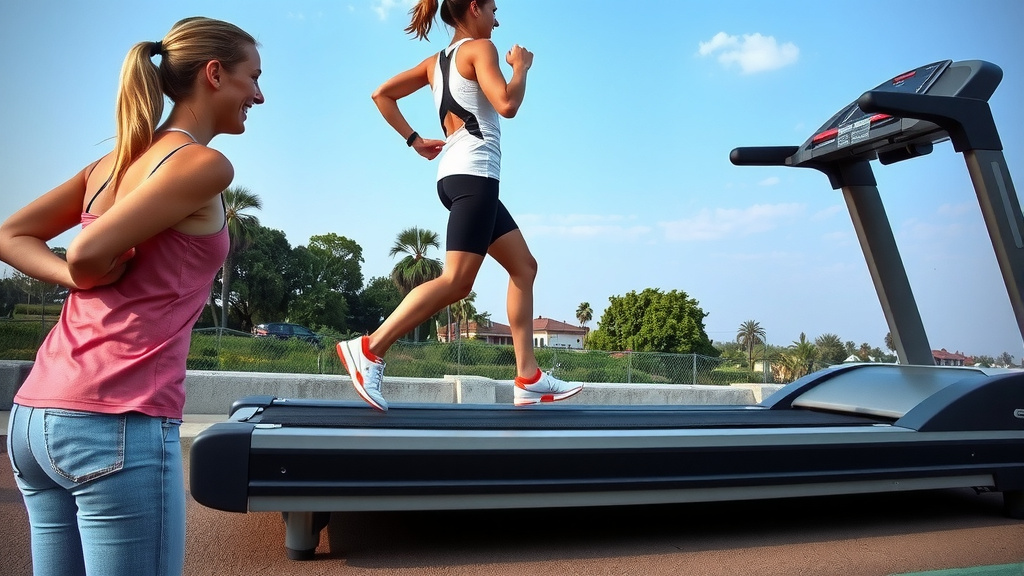
Beyond the physical mechanics, the mental aspect of running is hugely important. Many runners find that outdoor running offers a more engaging experience.
Scenery and Mental Boost
The changing scenery, fresh air, and sunlight can provide a significant mental boost. Running outdoors allows you to explore new routes, see different sights, and feel more connected to your surroundings. This can make your run feel less like a chore and more like an adventure. Research from institutions like the University of Michigan has pointed to nature exposure as a way to reduce stress and improve mood.
Monotony vs. Variety
Let’s be honest, staring at a wall or a screen while running can get monotonous. Treadmills offer consistency, which can be good for focused training. However, this consistency can also lead to boredom for some. Outdoor running offers constant variety. Every run can be a new experience. This variety helps keep things fresh and motivating.
Which Type of Running Is Best for You?
The best choice depends entirely on your goals and preferences. Do you prioritize convenience and control? A treadmill might be your best friend. Do you crave variety and a connection with nature? The outdoors is calling!
Here’s a quick rundown to help you decide:
- Treadmill Running: Great for controlled training, bad weather days, and when you need a convenient option. It’s easier on your joints due to the cushioning.
- Outdoor Running: Excellent for engaging more muscles, experiencing mental benefits, and enjoying a varied workout. It’s also more like real-world running conditions.
Tips for Maximizing Both Types of Runs
To get the most out of your running, consider these tips. They apply whether you’re indoors or out.
Adjusting Your Treadmill Workout
If you’re running on a treadmill, remember to set the incline. A 1% to 2% incline can better simulate outdoor conditions. Also, don’t hold onto the handles. This reduces your calorie burn and can affect your posture. We found that most experts recommend letting your arms swing naturally.
Preparing for Outdoor Runs
For outdoor runs, check the weather forecast. Wear appropriate clothing. Pay attention to your surroundings for safety. Vary your routes to keep things interesting and challenge different muscle groups. This can also help prevent overuse injuries.
| Feature | Treadmill Running | Outdoor Running |
|---|---|---|
| Effort to move | Lower (belt assists) | Higher (push-off required) |
| Muscle engagement | Less stabilizer muscles | More stabilizer muscles |
| Environmental factors | Controlled, no wind/hills | Variable wind, terrain, weather |
| Calorie burn (at same pace) | Potentially lower (without incline) | Potentially higher |
| Mental engagement | Can be monotonous | More varied and engaging |
| Joint impact | Often gentler (cushioned) | Can be harder (pavement) or varied (trails) |
Your Running Checklist:
- Set your treadmill incline to 1-2% for outdoor simulation.
- Don’t hold onto treadmill handles; let your arms swing.
- Check the weather before your outdoor run.
- Wear appropriate, visible clothing for outdoor safety.
- Vary your running routes to keep it interesting.
- Listen to your body and choose the environment that feels right for your workout today.
Conclusion
You’ve learned that treadmill and outdoor running offer distinct experiences. Treadmills provide a controlled environment, easier on your joints, and convenient for bad weather. Outdoor running, however, engages more muscles, offers mental benefits, and better simulates real-world conditions with varied terrain and wind resistance. Both are excellent for cardiovascular health, but outdoor running generally burns more calories at the same pace due to these environmental factors. The best choice for you depends on your fitness goals, preferences, and what you want to gain from your run each day. So, lace up and choose the path—or belt—that best suits your needs today!
Frequently Asked Questions
Will I burn more calories running outside than on a treadmill?
Generally, you will likely burn more calories running outside at the same pace and perceived effort. This is because you have to overcome wind resistance and propel yourself forward more actively on varied terrain, which requires more energy.
Is treadmill running bad for my knees?
Treadmill running can actually be gentler on your knees than outdoor running on hard surfaces like pavement. Most treadmills have cushioned decks that absorb impact, reducing stress on your joints.
Can I get the same workout on a treadmill as I do outside?
You can get a great cardiovascular workout on a treadmill, but it won’t perfectly replicate outdoor running. To better simulate outdoor conditions, try setting your treadmill to a 1-2% incline to account for the lack of wind resistance.
Which type of running is better for building muscle?
Outdoor running tends to engage more muscles, especially stabilizer muscles, due to uneven terrain and the need for balance. This active engagement can contribute more to overall muscle development compared to the predictable surface of a treadmill.
How can I make treadmill running more like running outdoors?
To make your treadmill run more challenging and similar to outdoor running, you should set the incline to at least 1%, and up to 2% if you want a more accurate simulation. Also, remember not to hold onto the handles, allowing your arms to swing naturally for better posture and calorie burn.