How Accurate Are Treadmill Heart Rate Monitors?
Treadmill heart rate monitors are generally moderately accurate, but their precision can vary. They often give you a good estimate of your heart rate during a workout. However, they may not be as exact as a dedicated chest strap monitor.
Factors like your skin contact and the monitor’s technology play a big role. Gripping the handles too tightly can also throw off readings. Many users find them reliable enough for general fitness tracking. They offer a convenient way to keep an eye on your effort level.
- Treadmill monitors offer a decent heart rate estimate.
- Accuracy can be affected by how you grip the handles.
- Chest strap monitors are typically more precise.
- For casual workouts, treadmill monitors are usually sufficient.
Let’s break down what affects these readings and how you can get the most reliable numbers from your treadmill’s built-in sensors.
Are Treadmill Heart Rate Sensors Trustworthy?
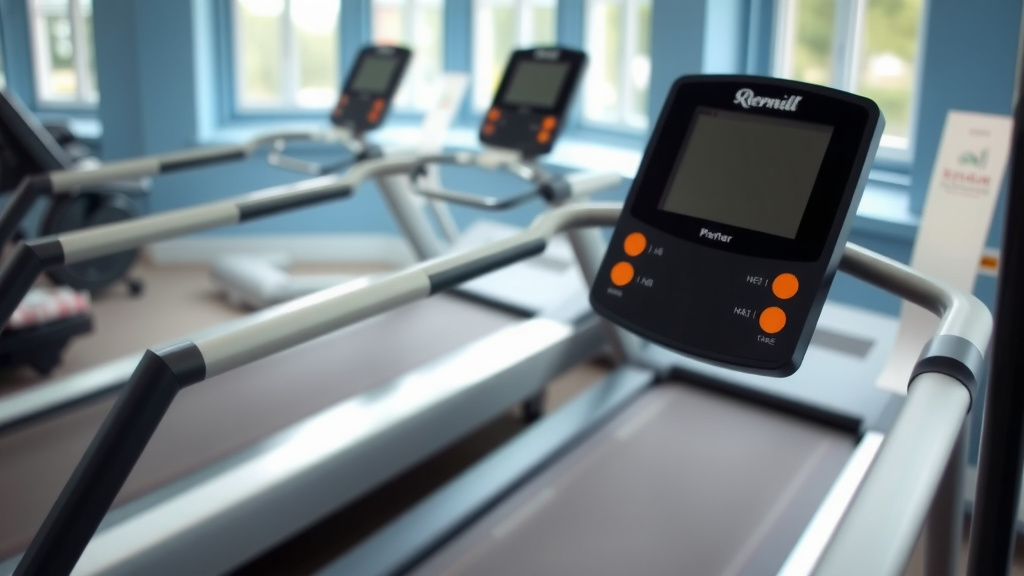
You might be wondering how accurate those little metal pads on the treadmill handles really are. We found that they can offer a decent ballpark figure for your heart rate. Think of them like a helpful assistant, not a medical professional. They’re convenient, no doubt about it!
While they’re great for a quick check-in during your workout, they generally fall short of the accuracy you’d get from a chest strap monitor. We’ll explore why that is and what you can do to get the best readings possible from your treadmill.
Understanding How Treadmill Monitors Work
Most treadmill heart rate monitors use a technology called photoplethysmography (PPG). This is the same tech found in many smartwatches and fitness trackers. It works by shining light into your skin and measuring how much light is reflected back.
Blood absorbs light. When your heart beats, more blood flows through your fingertips. This causes a change in the amount of light reflected. The sensor detects these changes and converts them into your heart rate. It’s quite clever!
The Role of Grip in Accuracy
This is where things can get a bit tricky. For the PPG sensors to work well, they need a steady and consistent connection to your skin. When you grip the treadmill handles, your fingers are touching these sensors. However, how you grip them matters a lot.
If you’re gripping the handles too tightly, you can actually restrict blood flow to your fingers. This can make it harder for the sensors to detect the subtle changes in blood volume with each heartbeat. It’s like trying to feel a gentle ripple in a choppy wave. The result? Inaccurate readings.
Conversely, a very light touch might not provide enough consistent contact for the sensors to pick up a clear signal. You’re aiming for a firm but relaxed grip. Just resting your hands there, not white-knuckling it!
Other Technological Factors
The quality of the sensors themselves plays a big part. Higher-end treadmills often have better, more sensitive sensors than basic models. The placement and design of the sensors can also affect performance.
Some monitors might also have trouble differentiating between your pulse and other movements. This is especially true if the treadmill is vibrating or if you’re making sudden, jerky movements with your arms. We found that this can lead to erratic numbers that don’t reflect your true effort.
Comparing Treadmill Monitors to Chest Straps
When we talk about accuracy, chest strap heart rate monitors are generally considered the gold standard for personal fitness devices. Why are they often more precise?
Chest straps use a different technology called electrocardiography (ECG). They measure the tiny electrical signals produced by your heart’s contractions. These signals are very direct and are less affected by movement or skin contact issues.
Think of it this way: a chest strap is like listening directly to the electrical conversation of your heart. A treadmill monitor is more like trying to hear that conversation through a slightly muffled phone line. Both can give you information, but one is usually clearer.
Many fitness experts and organizations, including the American Heart Association, suggest that ECG-based monitors offer the most accurate real-time heart rate data for training. This is why serious athletes often opt for chest straps.
When Treadmill Monitors Are Good Enough
So, does this mean treadmill monitors are useless? Not at all! For many people, they provide more than enough information. If your goal is general fitness, weight management, or simply to gauge your exertion level during a moderate workout, the treadmill’s built-in monitor can be perfectly adequate.
We found that for steady-state cardio, where your heart rate doesn’t fluctuate wildly, these monitors can give you a reasonable estimate. They’re fantastic for keeping you motivated and ensuring you’re working within a target zone. It’s about having a general idea, not pinpoint precision.
When Accuracy Matters More
However, if you’re training for specific performance goals, like improving your VO2 max or training for a race with precise heart rate zones, you might want to consider a chest strap. These situations demand a higher level of accuracy.
Interval training, for example, involves rapid changes in heart rate. Treadmill monitors can struggle to keep up with these quick swings. They might lag behind or give you a smoothed-out average that doesn’t capture the peak effort. This is when a chest strap truly shines.
Tips for Getting Better Treadmill Heart Rate Readings
Want to make those treadmill sensors work their best for you? Here are some tips we’ve found helpful:
Ensure Good Skin Contact
Clean your hands before your workout. Sweat and oils can interfere with the signal. When you place your hands on the sensors, make sure your palms are making firm contact. Don’t grip too hard, and don’t let your hands slide.
Consider Your Grip Strength
As we discussed, avoid squeezing the handles tightly. Try a grip that is firm enough to maintain contact but relaxed. Find that sweet spot where the sensor is consistently touching your skin without you having to clench your muscles.
Stay Still When Reading
If you want the most accurate snapshot, pause your movement for a second or two when you check your heart rate. Place your hands on the sensors and hold still. This gives the monitor a chance to get a clear reading without interference from arm motion.
Recognize the Limitations
Most importantly, understand that these readings are estimates. Even with the best grip, they won’t be as precise as a medical-grade device. Use them as a guide, not as absolute fact. Many fitness professionals suggest using your Rate of Perceived Exertion (RPE) alongside the monitor’s reading to get a fuller picture.
| Feature | Treadmill Monitor | Chest Strap Monitor |
|---|---|---|
| Technology | Photoplethysmography (PPG) | Electrocardiography (ECG) |
| Accuracy | Moderate, good estimate | High, very precise |
| Convenience | Very high, always available | Requires wearing an extra device |
| Affected By | Grip, movement, skin contact | Less affected by movement, requires good fit |
| Best For | General fitness, casual workouts | Performance training, precise zone monitoring |
Getting the Most Out of Your Treadmill Monitor
Ultimately, the accuracy of your treadmill’s heart rate monitor is a balancing act. It depends on the technology, how you use it, and what your fitness goals are. For most casual users, they are a fantastic tool to stay engaged with your workout.
By following a few simple tips, you can improve the readings you get. Always remember to listen to your body, too. If you feel like you’re working much harder than the monitor suggests, trust your own perception!
Your Treadmill Monitor Checklist
- Clean your hands before use.
- Maintain a relaxed but firm grip.
- Avoid squeezing the handles tightly.
- Stay relatively still when checking your reading.
- Understand it’s an estimate, not a precise measurement.
- Consider using RPE alongside the monitor.
Conclusion
Your treadmill’s heart rate monitor offers a convenient estimate for your workouts. While not as precise as a chest strap, it’s generally sufficient for casual fitness and tracking general effort. We found that how you grip the handles and the sensor quality greatly impact readings. For more serious training or interval work, consider upgrading to a chest strap for exact data.
To get the best from your treadmill monitor, focus on good skin contact and a relaxed grip. Remember to use your Rate of Perceived Exertion (RPE) too. Ready to make your next workout count? Try these tips to improve your treadmill monitor’s accuracy!
Frequently Asked Questions
Are treadmill heart rate monitors accurate enough for weight loss tracking?
For weight loss goals, treadmill monitors can provide a good estimate of your exertion level. They help ensure you’re working within a general target zone, which is often enough. You can pair the reading with your own feeling of effort to gauge your calorie burn effectively.
Can sweat affect my treadmill heart rate readings?
Yes, sweat and skin oils can interfere with the sensors. We recommend wiping your hands and the sensors clean before each workout. This ensures better skin contact and a more reliable signal for your heart rate monitor.
How often should I check my heart rate on the treadmill?
You don’t need to check constantly. We found that taking a reading for a few seconds every 5-10 minutes is usually sufficient. This allows you to see trends without disrupting your workout flow or grip too much.
Why does my treadmill heart rate jump around so much?
Erratic readings often happen due to an inconsistent grip or excessive movement. If you’re gripping too tightly, it can restrict blood flow. If you’re holding on too loosely, the sensor can lose contact. Try to find a steady, relaxed grip.
Should I buy a separate heart rate monitor if I use a treadmill often?
If you’re a casual user focused on general fitness, the treadmill’s monitor is likely fine. However, if you engage in interval training or need precise data for performance goals, a chest strap monitor is a worthwhile investment for greater accuracy.