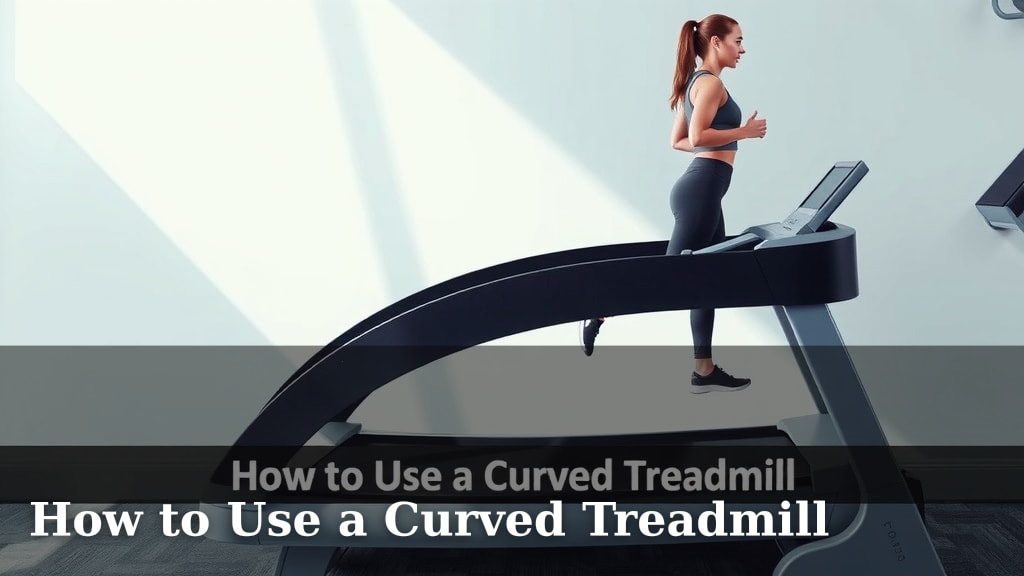
How to Use a Curved Treadmill
Using a curved treadmill is pretty straightforward, and you can start walking or running almost immediately. The core idea is to simply walk or run at your own pace, and the belt moves with your body’s natural motion. You control the speed entirely with your own stride; the faster you move your legs, the faster the belt goes, and vice versa. It’s a wonderfully intuitive and natural way to get your cardio in.
Unlike traditional treadmills with motors, curved treadmills are self-powered. This means no waiting for a motor to catch up, and you get a more efficient workout. Many users find they burn more calories and engage their muscles differently, especially in the hamstrings and glutes. It’s a fantastic tool for building explosive power and improving running form.
- Curved treadmills are self-powered.
- You control speed by how fast you move your legs.
- They offer a more intense workout than motorized treadmills.
- Great for building power and improving form.
Let’s walk through exactly how to get started and make the most of your time on this unique piece of equipment.
Getting Started on Your Curved Treadmill
So, you’ve got your hands on a curved treadmill. Exciting! These machines are a fantastic way to get a serious workout. You might be wondering how to actually use one effectively. It’s simpler than you think. The core principle is that you drive the belt with your own movement. No buttons to set speed or incline. It’s all about your body.
Your First Steps and Stride
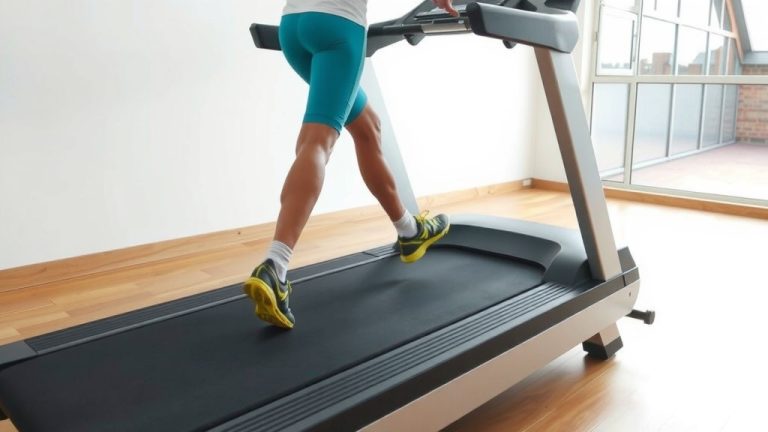
Think of it like walking or running on a track, but the track moves with you. To start, just step onto the belt. You can do this while it’s stationary or moving very slowly. If it’s moving, hold onto the side rails lightly for balance. Gradually place your feet on the belt. You’ll immediately feel the belt start to move under your feet.
To walk, take normal walking steps. To run, start with a light jog and gradually increase your stride length and frequency. The belt will speed up naturally as you move faster. Slow down your stride, and the belt will slow down. It’s really that intuitive. You’re in complete control.
Controlling Your Speed and Intensity
The beauty of a curved treadmill is its direct response to your effort. If you feel like you’re going too fast, simply shorten your stride and your arm swing. This tells the belt to slow down. Want to go faster? Lengthen your strides and pump your arms more vigorously. It’s a dynamic and responsive system.
Many users report a more challenging workout compared to traditional treadmills. This is partly because you’re working against gravity and the belt’s inertia. It often feels like you’re running uphill, even when you’re not. This engagement means you’re burning more calories. Research indicates this type of treadmill can lead to higher energy expenditure (NCBI).
Understanding the Feedback
Most curved treadmills will display your speed, distance, time, and sometimes calories burned. Some models also show your power output. Pay attention to these metrics, but don’t let them dictate your entire workout. Focus on how your body feels. Are you breathing heavily? Do your legs feel engaged? That’s your best indicator of intensity.
Mastering the Curve for Better Form
The curved design isn’t just for show. It’s engineered to encourage a more natural running form. You’ll naturally tend to land closer to the front of the belt, right under your center of gravity. This can help you avoid overstriding and improve your overall running efficiency.
Many runners find that using a curved treadmill helps them develop a stronger push-off. Because you’re manually pulling the belt backward, you engage your hamstrings and glutes more effectively. This can translate to better performance on the road or track. Experts often suggest focusing on a quick cadence and a mid-foot strike (Cleaveland Clinic).
Making the Most of Your Workout Experience
Once you’re comfortable with the basic operation, you can start incorporating different types of workouts. Interval training is particularly effective on these machines. You can switch between high-intensity bursts and recovery periods very quickly, and the treadmill will keep up.
Incorporating Interval Training
Here’s a simple way to get started with intervals. After a warm-up, try running at a high intensity for 30 seconds. Then, slow down to a brisk walk or very light jog for 60 seconds. Repeat this cycle for 10-20 minutes. The immediate speed changes make this type of training highly efficient.
Strength and Power Development
Curved treadmills are excellent for building explosive power. Try doing short sprints. Push off hard with each step. Focus on generating as much force as you can in your push-off phase. This type of training can improve your vertical jump and overall athletic performance.
Resistance Training on the Curve
Some advanced users like to add weight vests or resistance bands to their workouts on the curved treadmill. This further increases the intensity and muscle engagement. It’s a way to turn your cardio session into a more comprehensive strength-building exercise.
Workout Checklist for Success
Ready to hit the belt? Keep these points in mind:
- Start with a light walk to get a feel for the belt.
- Adjust speed by changing your stride length and pace.
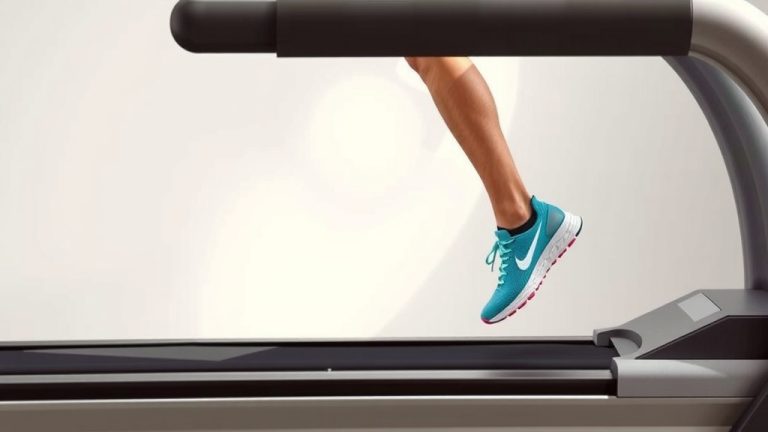
- Focus on landing mid-foot for better efficiency.
- Engage your glutes and hamstrings with each push-off.
- Listen to your body; rest when needed.
- Consider adding interval training for a challenge.
Comparing Curved vs. Motorized Treadmills
It’s helpful to understand the key differences. This table breaks it down:
| Feature | Curved Treadmill | Motorized Treadmill |
|---|---|---|
| Power Source | Self-powered (You!) | Electric Motor |
| Speed Control | Your stride and pace | Set by motor (buttons) |
| Workout Intensity | Generally higher, more engaging | Can be high, but less natural feel |
| Muscle Engagement | More glutes, hamstrings, calves | More quads, less overall engagement |
| Form Correction | Encourages natural running form | Can reinforce poor form if not careful |
As you can see, the curved treadmill offers a distinct advantage for those looking to improve their running form and boost calorie burn. It’s a tool that rewards your effort directly. You’ll feel the difference!
Conclusion
You’re now equipped to jump onto a curved treadmill and experience its unique benefits. Remember, you are the motor; your stride dictates the speed and intensity. This self-powered machine naturally encourages better running form, engages more muscles, and can lead to a more intense calorie burn. It’s a fantastic way to add variety and challenge to your fitness routine. Your next step? Step onto the belt and feel the difference yourself. Start with a comfortable walk and let your body guide you.
Frequently Asked Questions
Is a curved treadmill hard to use for beginners?
Not at all! Curved treadmills are designed to be intuitive. You simply walk or run at your own pace, and the belt moves with you. You’ll get a feel for controlling the speed with your stride within minutes. Start with a slow walk to get comfortable.
Will I burn more calories on a curved treadmill?
Research and user experiences suggest you often will. Because the belt is self-powered and requires your constant effort to move, it engages more muscles and demands more energy. This can lead to a higher calorie expenditure compared to motorized treadmills for the same duration.
How do I stop on a curved treadmill?
To slow down or stop, simply shorten your stride and slow your arm movement. Gradually reduce your pace until the belt stops moving under you. It’s a natural process of slowing your body down.
Can I run normally on a curved treadmill, or is it only for sprints?
You can do both! You can maintain a steady jogging pace for endurance workouts just like a traditional treadmill. The self-powered nature means you can also easily transition into high-intensity sprints by increasing your stride and speed.
What kind of shoes should I wear on a curved treadmill?
Wear the same running shoes you’d use for outdoor running or on a regular treadmill. Proper running shoes provide the cushioning and support your feet need. Avoid heavy boots or casual shoes that might not offer adequate grip or flexibility.