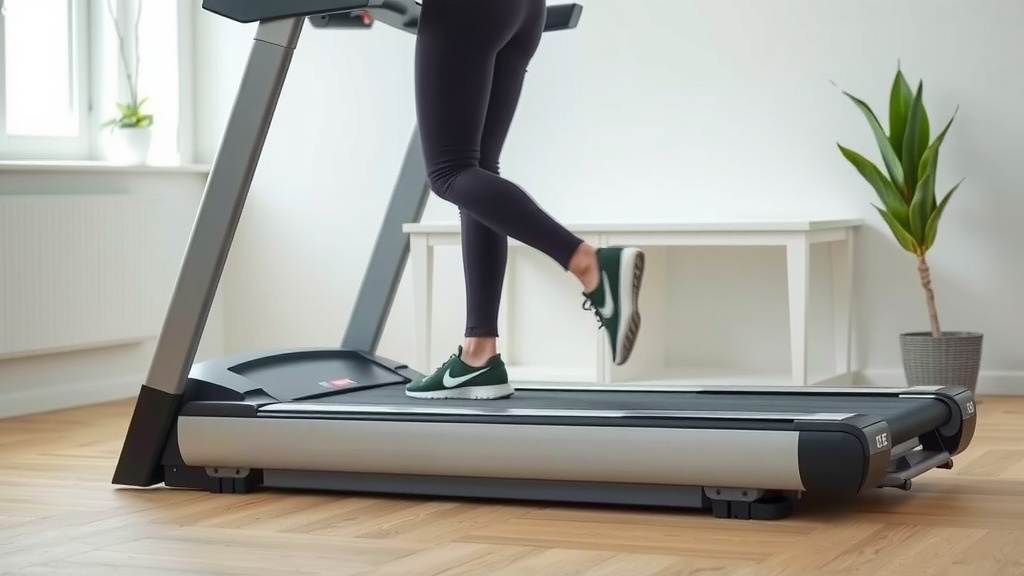
Treadmill for Weight Loss: How Effective Is It?
Yes, a treadmill can be a fantastic tool for losing weight when used consistently. It allows you to burn a good number of calories, which is essential for creating the calorie deficit needed for weight loss. The key is finding a program that fits your fitness level and diet.
Many people wonder if it’s enough on its own. While cardio like treadmill workouts is important, it works best when combined with a balanced diet. You can track your progress and adjust intensity for optimal results. It’s a flexible option for getting your heart rate up.
- Treadmills are great for burning calories and weight loss.
- Consistency is more important than intensity.
- Combine treadmill workouts with a healthy diet.
- Adjust speed and incline for better results.
- Listen to your body and avoid overtraining.
Let’s walk through exactly how you can make the treadmill your weight loss ally.
Your Treadmill: A Powerful Ally for Weight Loss
So, can a treadmill really help you shed those extra pounds? The short answer is a resounding yes! It’s a fantastic piece of equipment that can be a cornerstone of your weight loss journey. When you use it consistently, you’re essentially creating a calorie deficit, which is the golden rule of weight loss. Your body burns calories when you move, and treadmills offer a controlled environment to do just that.
Think of your treadmill as your personal fitness studio. You can step onto it any time of day. It doesn’t matter if it’s raining, snowing, or scorching hot outside. This convenience makes it a lot easier to stick with your fitness routine. And consistency, as many fitness experts will tell you, is far more important than intensity when it comes to long-term weight loss.
How Treadmill Workouts Burn Calories
The fundamental way treadmills help with weight loss is by burning calories. When you walk, jog, or run on a treadmill, your muscles need energy. This energy comes from the calories you consume. The more calories you burn through exercise than you take in through food, the more likely you are to lose weight.
The number of calories you burn depends on a few factors. Your weight is a big one. A heavier person will generally burn more calories doing the same activity as a lighter person. Your speed and the incline you set also play a huge role. Running at a fast pace with a steep incline will torch more calories than a leisurely stroll on a flat surface.
Research consistently shows that moderate-intensity aerobic exercise, like brisk walking or jogging on a treadmill, is effective for calorie expenditure (CDC). For instance, a person weighing around 155 pounds could burn approximately 250-300 calories in 30 minutes of brisk walking, and even more when jogging or running. It’s a straightforward equation: more effort equals more calories burned.
Creating a Calorie Deficit
Weight loss is primarily about energy balance. You need to expend more energy (calories) than you consume. A treadmill workout is a direct way to increase your energy expenditure. Let’s say your body needs 2000 calories a day to maintain your current weight. If you consume 2000 calories and burn an additional 300 calories on your treadmill, you’ve created a 300-calorie deficit for the day.
Over time, this deficit adds up. Burning 3500 calories typically equates to about one pound of fat loss. So, consistently creating a daily deficit through treadmill use and mindful eating can lead to noticeable weight loss each week. It’s not about drastic measures; it’s about sustainable habits. We found that aiming for a deficit of 500-750 calories per day can lead to a healthy weight loss of 1-1.5 pounds per week.
Maximizing Your Treadmill Weight Loss Efforts
Simply hopping on the treadmill isn’t always enough. To truly make it a weight loss powerhouse, you need a bit of strategy. It’s about working smarter, not just harder. Let’s look at how you can optimize your time on the machine.
Consistency is Key
As mentioned, showing up is half the battle. If you use the treadmill three times a week for 20 minutes, you’re building a habit and a calorie-burning pattern. If you go once a week for an hour but then skip the rest of the week, the impact is much smaller. Many health professionals suggest aiming for at least 150 minutes of moderate-intensity aerobic activity per week (Mayo Clinic).
This could be 30 minutes of brisk walking, five days a week. Or, you could mix it up with some jogging. The important thing is to find a schedule that fits your life and that you can maintain. Building a consistent routine will help you see and feel the benefits over time. It creates a steady calorie burn that supports your weight loss goals.
Vary Your Workouts
Doing the same thing every single time can lead to plateaus. Your body is smart; it adapts. If you always walk at the same pace for the same duration, your body becomes more efficient at that task, and you might burn fewer calories than you used to. Shaking things up is vital.
Incline Training
One of the easiest ways to increase intensity and calorie burn is by using the incline feature. Walking or running uphill is significantly more challenging than on a flat surface. It engages your leg muscles more effectively and ramps up your heart rate. Many studies have shown that incline walking can be as effective as jogging on a flat surface for calorie expenditure, all while being lower impact on your joints.
Interval Training (HIIT)
High-Intensity Interval Training, or HIIT, has become very popular for a reason. It involves short bursts of intense effort followed by brief recovery periods. For example, you might sprint for 30 seconds, then walk or jog slowly for 60 seconds, and repeat. This method can torch a significant number of calories in a shorter amount of time. Research also suggests that HIIT can boost your metabolism for hours after your workout, a phenomenon known as the “afterburn effect.” Just be sure to start gradually if you’re new to HIIT to avoid injury.
The Role of Diet
It’s crucial to understand that while treadmills are excellent for burning calories, they are only one part of the weight loss equation. You can’t outrun a bad diet. If you’re consuming more calories than you burn, even with regular treadmill sessions, weight loss will be slow or nonexistent.
Think of it this way: if you just finished a 30-minute treadmill session that burned about 300 calories, you could easily undo all that hard work with a high-calorie snack or drink. We found that combining your treadmill workouts with a balanced, nutritious diet is the most effective strategy. Focus on whole foods, lean proteins, plenty of fruits and vegetables, and healthy fats. Portion control is also incredibly important.
Listen to Your Body
Pushing yourself is important, but so is rest. Overtraining can lead to injuries, burnout, and even hinder weight loss by increasing stress hormones. Pay attention to how you feel. If you’re experiencing persistent soreness, fatigue, or pain, it’s time to take a rest day or reduce the intensity of your workouts.
A good rule of thumb is to alternate between higher-intensity days and lower-intensity or rest days. This allows your muscles to recover and rebuild. Staying hydrated is also key to performance and recovery. Your body is your best guide, so give it the attention it deserves.
Here’s a quick checklist to help you get the most out of your treadmill for weight loss:- Set realistic, achievable fitness goals.
- Aim for at least 150 minutes of moderate activity weekly.
- Incorporate incline and interval training.
- Track your progress (duration, distance, calories).
- Don’t forget the importance of a healthy diet.
- Prioritize rest and recovery days.
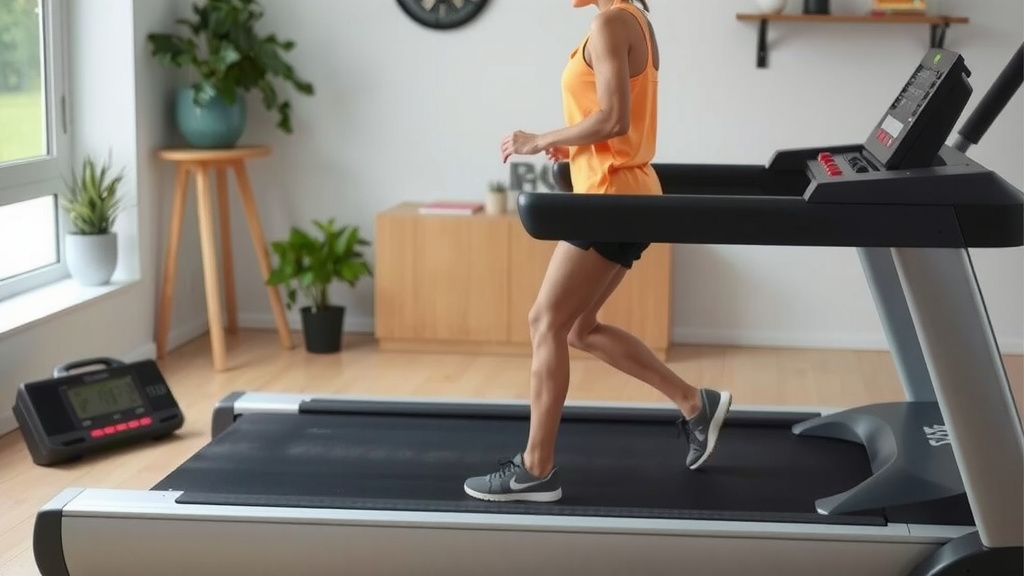
Conclusion
You now know that a treadmill can be a powerful ally in your weight loss journey. By consistently creating a calorie deficit through regular workouts and smart diet choices, you can achieve your goals. Remember to vary your routines with incline and interval training to keep your body challenged and prevent plateaus. Prioritize listening to your body, allowing for rest and recovery. Start by setting achievable goals and incorporating treadmill sessions into your weekly schedule. You’ve got this!
Frequently Asked Questions
How often should I use a treadmill for weight loss?
Aim for consistency rather than just intensity. Many health professionals suggest getting at least 150 minutes of moderate-intensity aerobic activity per week. This could mean 30 minutes, five days a week. Building a regular schedule is key for steady calorie burn.
Can a treadmill help me lose belly fat specifically?
Spot reduction, like targeting belly fat with a specific exercise, isn’t really how weight loss works. Treadmill workouts help you burn overall calories, contributing to a total body fat reduction, which includes the abdominal area. Combining it with a healthy diet is your best bet for seeing results all over.
What if I get bored on the treadmill?
Boredom is a common hurdle! You can combat it by varying your workouts with incline changes or HIIT sessions. Listening to music, podcasts, or watching shows can also help pass the time. Setting new distance or time goals can keep you motivated and engaged.
Is it better to walk or run on the treadmill for weight loss?
Both walking and running burn calories, but running generally burns more in the same amount of time due to higher intensity. However, consistency is more important. A brisk walk done regularly might be more effective for you than running sporadically if it’s hard to maintain. Find what works for your fitness level and schedule.
How long does it take to see weight loss results with a treadmill?
Weight loss is a gradual process. With consistent treadmill use combined with a balanced diet, you might start noticing changes within a few weeks to a couple of months. It depends on factors like your starting weight, diet, and the intensity and frequency of your workouts. Focus on building sustainable habits for long-term success.