
What 7.5 mph on a Treadmill Really Feels Like
Seven point five miles per hour (7.5 mph) on a treadmill is a fast running pace. It’s faster than a comfortable jog for most people. You’d be running at this speed, not walking. Many experienced runners can sustain this pace for a few minutes.
This speed translates to a quick sprint for many. It’s a challenging speed that requires good conditioning. Think of it as pushing your limits on the treadmill. It’s definitely not a casual stroll, but it could be a great interval for a tough workout.
- 7.5 mph on a treadmill is a fast running pace.
- It translates to a quick sprint for most people.
- This speed is a challenging workout intensity.
- It’s much faster than a brisk walk or light jog.
Let’s break down what 7.5 mph really feels like and how it stacks up for your fitness goals.
So, you’re wondering what 7.5 mph on a treadmill actually feels like. It’s a speed that many people consider to be quite fast. Let’s get you up to speed on what this pace means for your workout. It’s definitely not a stroll in the park; think more along the lines of a hard sprint for many.
Understanding Your Treadmill Pace: 7.5 MPH Explored
So, what does 7.5 mph on a treadmill mean for you? It’s a pace that puts you firmly in the running category. Most people wouldn’t even call this a jog; it’s a full-blown run. For many, it’s the speed of a sprint. This speed is ideal for interval training, which involves short bursts of intense exercise.
Converting MPH to Minutes Per Mile
To really grasp a speed, it helps to think about how long it takes to cover a mile. At 7.5 mph, you’re moving pretty quickly. We can calculate this out easily. Dividing 60 minutes by 7.5 miles gives us a clear picture. This means you’re completing one mile in 8 minutes. So, a 7.5 mph treadmill speed is an 8-minute mile pace.
Is an 8-minute mile fast? For many casual runners or walkers, yes, it is. It’s a pace that requires a good level of fitness. If you’re used to jogging at 5 or 6 mph, then 7.5 mph will feel like a significant jump.
7.5 MPH: A Sprint for Many
Let’s put 7.5 mph into perspective. For the average person, this speed is very close to their maximum running speed, or even faster. Think about it: if you were to run outside, this is the kind of speed you’d hit if you were sprinting to catch a bus. Many people can’t sustain this speed for more than a minute or two.
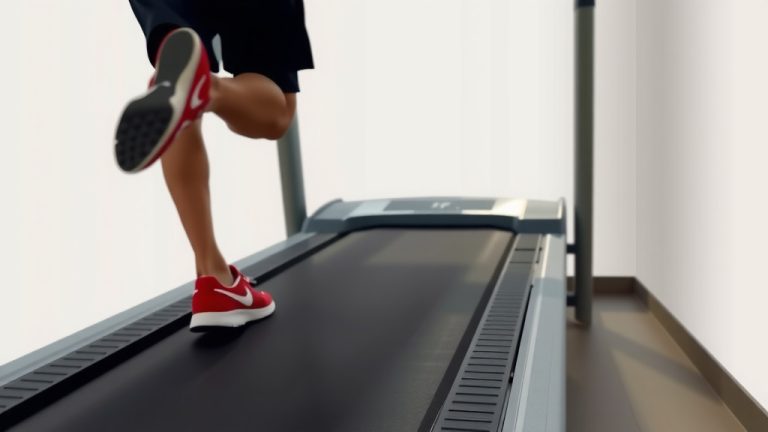
On a treadmill, it can sometimes feel a bit different. The belt moves under you, which can make it easier to maintain a consistent pace compared to running outdoors. However, 7.5 mph is still a demanding speed. You’ll feel your heart rate increase substantially. Your breathing will become much deeper and faster.
How Does it Compare to Walking?
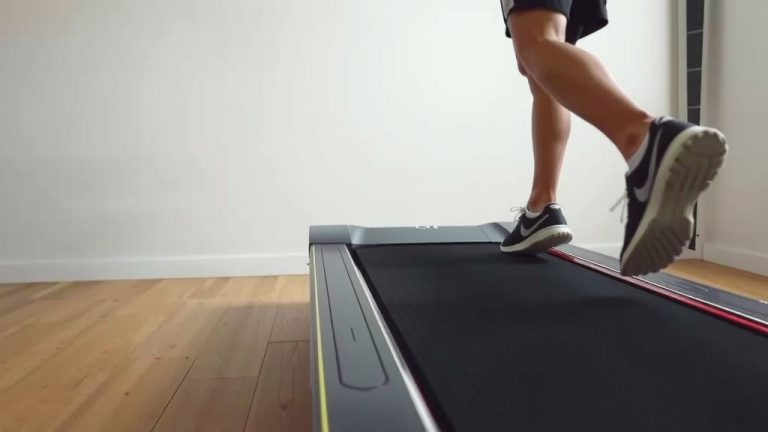
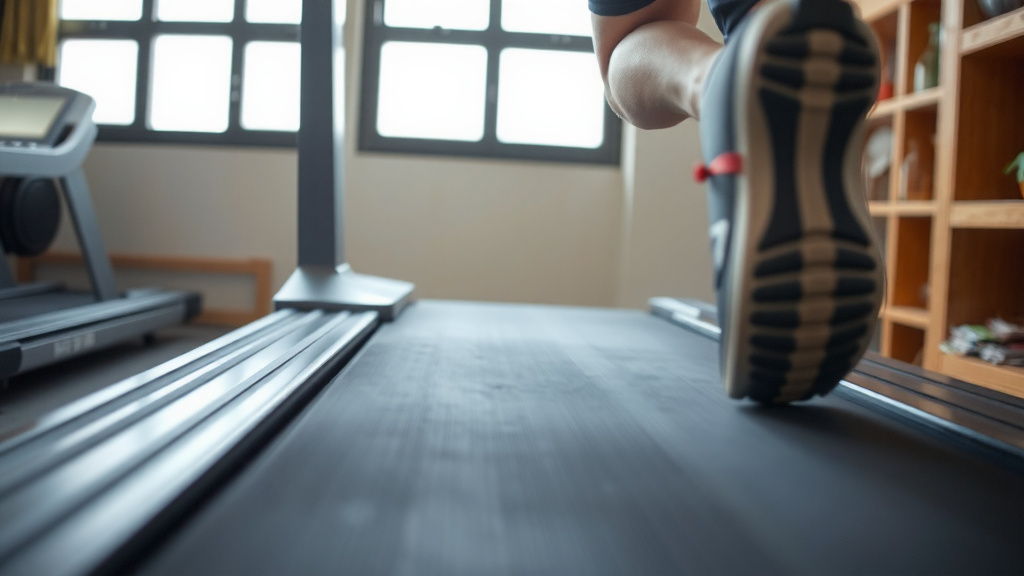
A brisk walking pace is typically around 3 to 4 mph. Even a very fast power walk might reach 5 mph. At 7.5 mph, you are well past the walking spectrum. You’ll need to be lifting your knees and pumping your arms vigorously. Your feet will be hitting the belt with a noticeable impact. It’s the difference between a pleasant stroll and a full-on sprint.
What About a Jog?
A comfortable jogging pace for many people falls between 5 and 6 mph. This is a speed where you can hold a conversation, albeit a bit breathlessly. At 7.5 mph, holding a conversation is virtually impossible. We found that research from the Mayo Clinic often suggests that jogging speeds can vary greatly based on fitness levels, but 7.5 mph is consistently above what’s considered a casual jog.
Fitness Benefits and Challenges at 7.5 MPH
Running at 7.5 mph on your treadmill isn’t just about speed; it’s about what that speed does for your body. It’s a serious workout that can yield great results if approached correctly. You’ll be pushing your cardiovascular system to its limits.
Cardiovascular Health Boost
When you run at higher intensities like 7.5 mph, your heart and lungs work much harder. This strengthens your cardiovascular system. According to the Centers for Disease Control and Prevention (CDC), regular aerobic exercise is key to heart health. Pushing yourself with short bursts of high-speed running can improve your heart’s efficiency. You might find your resting heart rate decreases over time. Your stamina for other activities will likely improve.
Calorie Burning Powerhouse
Want to burn calories quickly? Running at 7.5 mph is a fantastic way to do it. Higher intensity exercise means you burn more calories in a shorter amount of time. If your goal is weight management, incorporating periods of running at this speed can be very effective. We found that studies often show a direct correlation between exercise intensity and calorie expenditure.
The Treadmill’s Role
Your treadmill is a great tool for this. You can precisely control your speed and incline. This allows you to safely challenge yourself at 7.5 mph without worrying about uneven terrain or traffic. It’s a controlled environment for high-intensity intervals. You can easily start and stop, and monitor your progress.
Building Speed and Endurance
While 7.5 mph might feel like a sprint now, consistent training can change that. By incorporating this speed into your routine, perhaps through interval training, you can build your running speed and endurance. You’ll train your body to become more efficient at higher speeds. This can translate to faster race times if you’re a runner. It can also make your overall fitness feel more robust.
Is it Suitable for Beginners?
For someone brand new to running or fitness, 7.5 mph is likely too fast. Starting with walking and then progressing to a jog is a safer bet. Pushing yourself too hard too soon can lead to injuries. Many fitness experts recommend a gradual progression. You want to build a solid foundation first. If you’re unsure, it’s always wise to consult a healthcare provider before starting a new intense exercise program.
Incorporating 7.5 MPH into Your Workout
So, how can you best use this challenging speed? It’s not about running at 7.5 mph for your entire workout. That would be extremely difficult and potentially unsafe for most. Instead, think of it as a powerful tool for specific training techniques.
High-Intensity Interval Training (HIIT)
This is where 7.5 mph truly shines. HIIT involves short bursts of intense exercise followed by brief recovery periods. You could try running at 7.5 mph for 30 seconds, then jog or walk at a slower pace for 60-90 seconds. Repeat this for several rounds. This type of training is incredibly effective for improving cardiovascular fitness and burning calories. We found that HIIT protocols often recommend work intervals that push you to near-maximal effort.
Speed Play (Fartlek) Workouts
Fartlek is a Swedish term meaning “speed play.” It’s a less structured form of interval training. You might run at 7.5 mph for as long as you feel comfortable, then slow down. Or, you might pick a landmark and sprint to it at 7.5 mph. This adds an element of fun and unpredictability to your runs. It helps you practice controlling your pace.
Pre-Workout Warm-up Considerations
Jumping straight onto the treadmill at 7.5 mph is not advisable. Always start with a proper warm-up. This could involve 5-10 minutes of light cardio, like walking or slow jogging. Dynamic stretches can also prepare your muscles for the more intense work ahead. Think leg swings, high knees, and butt kicks. You want to feel warm and loose, not strained.
After your high-intensity intervals at 7.5 mph, a cool-down is equally important. This involves gradually decreasing your speed back to a walk. This helps your heart rate return to normal. Static stretching after your workout can help improve flexibility. You might consider holding stretches for major muscle groups like hamstrings, quadriceps, and calves.
Listen to Your Body
The most important advice we can give is to listen to your body. 7.5 mph is a challenging speed. Some days you might feel strong enough to tackle it, while other days you might need to dial it back. Pushing too hard when you’re fatigued increases your risk of injury. If you feel sharp pain, stop immediately. Many runners learn the hard way that rest is just as important as the workout itself.
Consider these points for a 7.5 mph treadmill session:
- Warm up thoroughly before increasing speed.
- Use 7.5 mph for short, intense intervals.
- Allow ample recovery time between sprints.
- Monitor your heart rate to gauge intensity.
- Cool down gradually after your workout.
- Don’t force yourself if you feel pain or excessive fatigue.
Conclusion
You’ve learned that 7.5 mph on a treadmill is a challenging speed, equating to an 8-minute mile pace. It’s a fast run, often a sprint, for most people and a significant step up from jogging. This intensity offers great benefits for cardiovascular health and calorie burning. Remember, it’s best used in short bursts for high-intensity interval training, not for your entire workout. Always warm up properly and cool down afterwards. Most importantly, listen to your body and adjust as needed. Ready to give it a try? Start with short intervals and build from there!
Frequently Asked Questions
Is 7.5 mph a fast pace for running?
Yes, 7.5 mph is considered a fast running pace for most individuals. It translates to an 8-minute mile, which requires a good level of fitness and is often the speed of a sprint for many people.
How many calories can I burn running at 7.5 mph?
You’ll burn a significant number of calories at 7.5 mph because it’s a high-intensity workout. The exact amount depends on your body weight and the duration of your run, but higher intensity exercise generally burns more calories in less time.
Can I run at 7.5 mph for my entire treadmill workout?
It’s generally not recommended to sustain 7.5 mph for your entire workout. This speed is very demanding and is best used for short, intense intervals within a HIIT or Fartlek training session to avoid injury and burnout.
What should I do before and after running at 7.5 mph?
Before running at 7.5 mph, always perform a thorough warm-up for 5-10 minutes with light cardio and dynamic stretches. After your intense intervals, cool down gradually by decreasing your speed to a walk and follow up with static stretching.
Is 7.5 mph suitable for beginners on a treadmill?
For absolute beginners, 7.5 mph is likely too fast and could increase the risk of injury. It’s better to start with walking and gradually progress to jogging at a comfortable pace before attempting speeds like 7.5 mph.