
6.3 Treadmill Speed: How Fast Is It Really
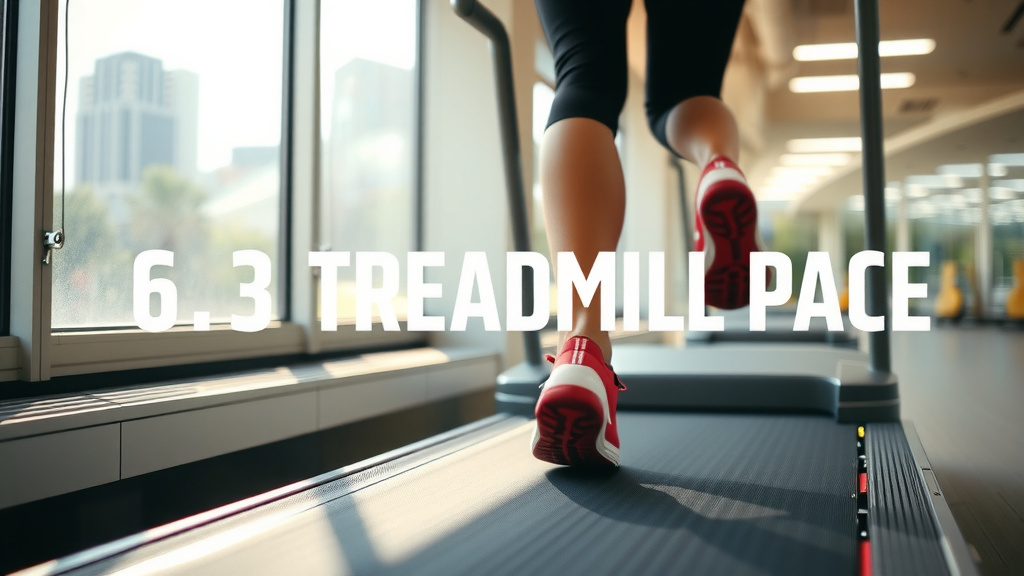
A 6.3 treadmill speed is considered a brisk jog or a slow run for most people. It’s a pace that can challenge your cardiovascular system without being overly intense. You’ll likely feel your heart rate rise and start to break a sweat at this speed. It’s often a sweet spot for many fitness enthusiasts.
This pace falls between a fast walk and a more vigorous run. Many treadmills max out around 10-12 mph, so 6.3 is well within the common range. It’s a speed that can be sustained for a decent workout. Many people use it for interval training or steady-state cardio sessions. We found this speed is a popular choice for those building endurance.
- 6.3 mph is a brisk jog or slow run.
- It’s faster than a walk but not quite a sprint.
- This speed works well for steady cardio.
- It’s also good for interval training sessions.
Let’s break down what running at 6.3 mph on a treadmill actually feels like and how it compares to other paces. We’ll cover everything you need to know to get the most out of your workout. This destination explains how effective treadmill running is, which is relevant to understanding the benefits of a 6.3 mph pace.
Understanding Your 6.3 Treadmill Pace
So, you’re curious about what a 6.3 mph treadmill speed really means for your workout. You’ve seen the number on the display, and you’re wondering if it’s a jog, a run, or something else entirely. Let’s break it down.
Think of 6.3 mph as that comfortable, yet challenging, pace. It’s often described as a brisk jog or a slow, steady run. It’s fast enough to get your heart pumping and make you feel like you’re getting a good cardio session in, but not so fast that you feel like you’re going to sprint off the back of the machine.
What Does 6.3 MPH Feel Like?
Your Body at This Speed
When you hit 6.3 mph, your body usually responds with a noticeable increase in heart rate. You’ll likely start to feel warm and might even see a bead of sweat forming. It’s a speed where your breathing becomes more labored than a casual walk, but you can still typically speak in short sentences if needed.
Many people find this speed to be a great place to build endurance. It allows you to maintain a consistent effort for a longer period. It’s a pace that feels active and purposeful, unlike a light stroll. You’re definitely moving!
Comparing 6.3 MPH to Other Paces
To give you some context, let’s look at how 6.3 mph stacks up:
- Walking: A very brisk walk can reach speeds of 4.0 to 4.5 mph. At 6.3 mph, you’re significantly faster than even the fastest walker.
- Jogging: A light jog often starts around 4.5 to 5.0 mph. So, 6.3 mph is a solid step up from a light jog, entering into a more moderate running pace.
- Running: A typical running pace for many recreational runners falls between 5.0 to 8.0 mph. This means 6.3 mph is right in the sweet spot for a steady-state run.
- Sprinting: Sprinting speeds on a treadmill can easily go above 10 mph, and for elite athletes, much higher. 6.3 mph is nowhere near a sprint; it’s more about sustained effort.
Is 6.3 MPH a Good Speed for You?
Who Benefits from This Pace?
This pace is excellent for a wide range of individuals. If you’re looking to improve your cardiovascular health, 6.3 mph can offer a great workout. It provides a good challenge for your heart and lungs without being overwhelming.
For those training for longer races, like a 5K or 10K, this speed is often used for endurance runs. It helps your body adapt to sustained effort. It’s also a fantastic speed for recovery runs if you’re feeling good and want to keep moving. Many fitness professionals recommend this pace for building a solid aerobic base (Mayo Clinic).
Treadmill Incline and Its Impact
When you’re running at 6.3 mph, the incline setting on your treadmill can dramatically change the intensity. Adding even a 1% incline can feel like you’re running on a slight hill.
At 6.3 mph with a 0% incline, you’re getting a good leg workout. However, if you increase the incline to 2% or 3%, you’ll find your leg muscles working harder and your calorie burn will increase. This is a smart way to vary your workout without changing the speed itself.
We found that incorporating hills at this speed can mimic outdoor running more closely. It also targets different muscle groups, particularly your glutes and hamstrings. So, don’t forget to play with the incline!
Making the Most of Your 6.3 MPH Workout
Workout Structures Using 6.3 MPH
You can use 6.3 mph in several ways to boost your fitness. A steady-state run is one of the most popular. This means running at 6.3 mph for your entire workout duration, perhaps 20-40 minutes. This is great for building stamina.
Another effective method is interval training. You could alternate between a faster pace (e.g., 7.0-7.5 mph) for 30-60 seconds and then back down to 6.3 mph for 1-2 minutes to recover. This type of training can significantly improve your speed and calorie burn. Research suggests interval training can be more effective for improving VO2 max than steady-state cardio alone (National Institutes of Health). This destination explains how to do interval training, which is mentioned as a way to use 6.3 mph.
Listen to Your Body
While 6.3 mph is a common and effective speed, it’s vital to listen to your body. If you’re new to running or returning after a break, starting at this pace might feel too intense. You might want to begin with a brisk walk and gradually increase your speed over time.
Consider your fitness level. If you’re already running regularly, 6.3 mph might be a comfortable warm-up or a recovery pace. If you’re aiming to increase your speed, this might be your target pace for a challenging run. We always advise consulting with a healthcare provider before starting any new exercise program, especially if you have underlying health conditions.
Getting the Best Experience
To ensure your 6.3 mph workout is safe and effective, here are a few things to keep in mind:
- Warm-up: Always start with 5-10 minutes of light cardio and dynamic stretching.
- Cool-down: Finish with a few minutes of walking and static stretching.
- Footwear: Wear appropriate running shoes that offer good support.
- Hydration: Drink water before, during, and after your run.
- Proper Form: Maintain good posture, keep your core engaged, and avoid hunching over.
- Consistency: Regular workouts at this pace will yield the best results.
Conclusion
So, you’ve learned that 6.3 mph on a treadmill is your go-to speed for a brisk jog or a steady, challenging run. It’s a fantastic pace for building endurance and boosting your cardiovascular health. Whether you’re using it for consistent steady-state workouts or incorporating it into intervals, this speed offers a great balance of effort and sustainability. Remember to always listen to your body and adjust as needed. Now, get ready to hit that 6.3 mph and enjoy a truly effective workout!
Frequently Asked Questions
Is 6.3 mph considered fast for a treadmill?
For most people, 6.3 mph is a moderate to fast pace. It’s quicker than a brisk walk and falls into the range of a comfortable jogging or slow running speed. It’s fast enough to challenge your cardiovascular system effectively.
How many calories can you burn at 6.3 mph on a treadmill?
The number of calories burned at 6.3 mph varies based on your weight, duration, and incline. Generally, you’ll burn more calories than walking, as it’s a more intense cardiovascular activity. Longer sessions at this speed will also increase your calorie expenditure.
Can I use 6.3 mph for interval training?
Absolutely! 6.3 mph is perfect for steady-state running within an interval workout. You can alternate this pace with a faster speed for short bursts, then return to 6.3 mph to recover. This method is great for improving both speed and stamina.
Is 6.3 mph too fast for a beginner on a treadmill?
For some beginners, 6.3 mph might feel too fast initially. It’s often recommended to start with a brisk walk or a slower jog and gradually increase your speed. You can incorporate 6.3 mph as a goal to work towards as your fitness improves.
What kind of workout is best at 6.3 mph?
A 6.3 mph speed is excellent for a steady-state cardio workout, where you maintain this pace for 20-40 minutes. It’s also ideal for the recovery intervals in high-intensity training sessions. This pace helps build a solid aerobic base for longer distances.