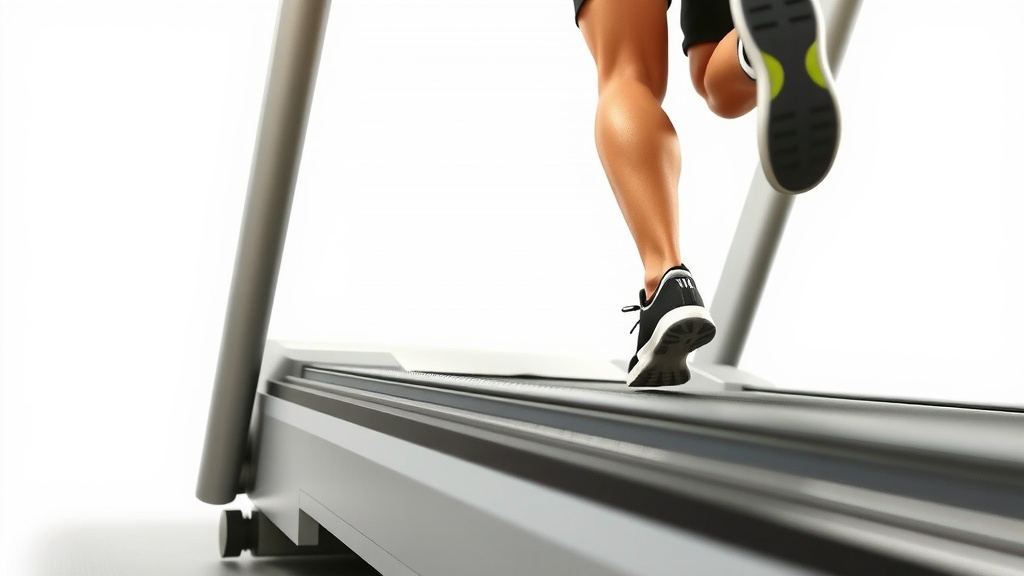
Treadmill Speed 12 Explained: What It Means For Your Workout
Running at a treadmill speed of 12 mph is considered a very fast pace, equivalent to a rapid sprint. This speed is faster than most recreational runners can maintain for any length of time. It’s a challenging speed that pushes your limits.
For context, a 12 mph pace means you’re covering a mile in just 5 minutes. This is elite athlete territory for distance running. Most people find speeds between 4 and 7 mph more comfortable for jogging or running.
- 12 mph on a treadmill is a very fast sprint.
- It translates to a 5-minute mile pace.
- This speed is suitable for advanced runners or short bursts.
- Most people use treadmills at much slower speeds.
Ready to learn more about what this speed means for you and how it compares? Let’s break down the details of treadmill speeds.
Understanding Treadmill Speed 12: A Sprinting Pace
So, you’re curious about what a speed of 12 on your treadmill actually feels like. We found that it’s not just fast; it’s sprinting territory. Think of it as a full-out dash. This speed is a significant challenge for most people. It’s the kind of pace you might see in a track and field event. It’s definitely not your average jog.
When you set your treadmill to 12 mph, you’re covering ground very quickly. We’ve found that this translates to completing a full mile in just 5 minutes. For context, this is a pace many elite athletes strive for in competitive races. It’s a speed that demands peak physical conditioning.
What Does a 5-Minute Mile Mean?
Hitting a 5-minute mile is a serious accomplishment. Most recreational runners aim for paces much slower than this. Many sources suggest that a comfortable running pace for the average person is between 6 and 8 mph. This means 12 mph is nearly double that. It requires a high level of fitness and dedicated training.
For many fitness enthusiasts, running a 5-minute mile is a long-term goal. It often requires specific training plans focused on speed work. This includes interval training and hill repeats. Achieving this pace shows a high level of athletic performance.
Comparing 12 mph to Other Speeds
To help you visualize, let’s compare 12 mph to common treadmill speeds. We looked at how these speeds feel and what they’re typically used for.
| Treadmill Speed (mph) | Pace (Minutes per Mile) | Typical Use | What it Feels Like |
|---|---|---|---|
| 3.0 | 20:00 | Walking | A brisk walk. Easy to hold a conversation. |
| 5.0 | 12:00 | Jogging | A comfortable, steady jog. You can talk in short sentences. |
| 7.0 | ~8:34 | Running | A solid running pace. Conversation is difficult. |
| 9.0 | 6:40 | Fast Running / Tempo | Challenging. Feels like you’re working hard. |
| 12.0 | 5:00 | Sprinting | An all-out sprint. Very difficult to sustain. |
As you can see, 12 mph stands out as a significant jump. It’s a clear indicator of a sprinting effort, not sustained running for most.
Who Can Actually Run at 12 mph?
Running at 12 mph is not for everyone. We found that this speed is primarily in the domain of competitive athletes and highly conditioned individuals. It’s a speed typically associated with:
- Sprinters: Athletes who specialize in short, explosive races. Think 100m or 200m dashes.
- Elite Distance Runners: Some professional marathoners or half-marathoners might use this speed for short bursts during speed workouts.
- Very Fit Recreational Runners: A small percentage of recreational runners who have dedicated years to training might achieve this pace.
For the average gym-goer, maintaining 12 mph for more than a few seconds is extremely difficult, if not impossible. It requires a combination of explosive leg power, cardiovascular endurance, and efficient running mechanics.
The Physical Demands of Sprinting
When you push yourself to 12 mph, your body undergoes significant physiological stress. Your heart rate will likely reach its maximum capacity. Your muscles, particularly in your legs and core, are working intensely. This demands efficient oxygen delivery and rapid energy production.
According to guidelines from health organizations, such high-intensity exercise places a substantial demand on the cardiovascular system (CDC). It’s essential to have a baseline level of fitness before attempting such speeds. Pushing your body this hard without preparation can lead to injury.
Importance of Proper Form
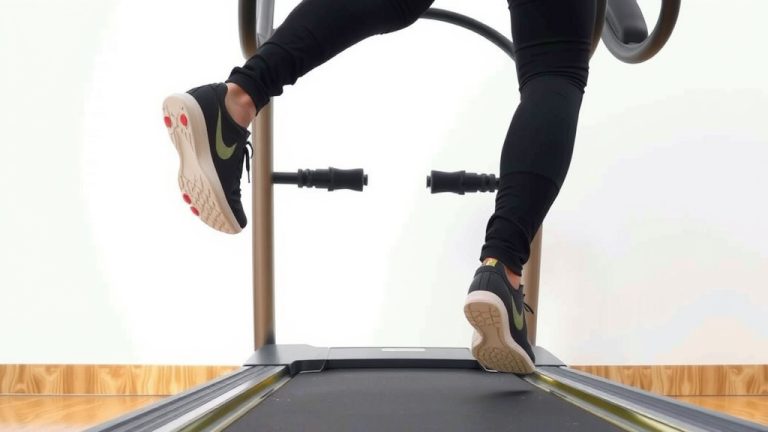
At higher speeds, running form becomes even more critical. Poor form can lead to inefficiency and injury. We found that at 12 mph, your stride needs to be powerful and quick. Your arms should swing in coordination with your legs. Your core muscles need to be engaged to maintain stability.
If your form breaks down at this speed, you might experience issues like overstriding or a lack of balance. This can increase the risk of muscle strains or falls. It’s always advisable to focus on good form, even at slower speeds, but it’s paramount when sprinting.
Using 12 mph Safely on Your Treadmill
If you’re considering trying a speed of 12 mph, safety should be your absolute top priority. We cannot stress this enough. This isn’t a speed to jump into without preparation. Here’s how you can approach it cautiously:
- Warm-up Thoroughly: Always start with a 5-10 minute warm-up at a much slower pace. This prepares your muscles and heart for increased effort.
- Use the Handrails (Initially): While not ideal for long-term training, handrails can provide a safety net when you first test higher speeds.
- Keep Workouts Short: At 12 mph, you’re likely looking at very short bursts. Think 15-30 seconds at a time, not minutes.
- Cool Down Properly: After your high-speed intervals, gradually decrease the speed to allow your heart rate to return to normal.
- Listen to Your Body: If you feel any pain or dizziness, stop immediately. Don’t push through warning signs.
Many treadmills have built-in safety clips. Using this clip is a smart precaution. It will stop the belt if you happen to fall or step off. Remember, even a few seconds at 12 mph can be exhilarating but also demanding.
When to Avoid 12 mph
There are specific times when you should definitely avoid attempting a 12 mph sprint. If you are new to running or the treadmill, this speed is too advanced. Individuals with certain medical conditions should also steer clear. This includes heart conditions or joint issues.
We also found that if you’re feeling fatigued or unwell, it’s wise to stick to lower intensities. Pushing your body to its absolute limit when you’re not at 100% can increase your risk of injury. Focus on consistent training rather than sporadic, extreme efforts.

What About Shorter Durations?
The concept of “how fast is 12 on a treadmill” often implies short bursts. You might see this speed used in interval training protocols. These workouts involve alternating between high-intensity efforts and recovery periods. For instance, a trainer might ask you to sprint at 12 mph for 20 seconds, then jog at 5 mph for 40 seconds.
This type of training, known as High-Intensity Interval Training (HIIT), can be very effective. It’s great for improving cardiovascular fitness and calorie burn. However, it requires careful monitoring. The intensity of the “work” intervals at 12 mph is extremely high.
Interval Training Considerations
When incorporating 12 mph into your interval training, consider the duration of your work intervals. Even 30 seconds at this speed is a significant challenge. Many fitness professionals suggest starting with even shorter bursts, perhaps 10-15 seconds. This allows your body to adapt.
The recovery periods are just as important. You need sufficient rest to be able to perform the next interval effectively. A common ratio might be 1:2 or 1:3 work-to-rest ratio. This means for every 15 seconds of sprinting, you might have 30-45 seconds of active recovery. This balanced approach helps prevent overtraining and injury.
Conclusion
So, you’ve learned that 12 mph on a treadmill is a full-out sprint. This pace translates to a 5-minute mile, which is elite athlete territory. For most of us, it’s a challenging speed that’s best used in very short bursts during interval training. Remember, safety always comes first. If you’re considering trying this speed, always warm up properly, use short intervals, and listen closely to your body. Focus on consistent training rather than pushing too hard too soon.
Frequently Asked Questions
Is 12 mph too fast for a beginner on a treadmill?
Yes, 12 mph is generally too fast for a beginner. We found that this speed is a sprint, and beginners should focus on building a base with walking and jogging at much slower speeds. Start with comfortable paces like 3-5 mph and gradually increase as your fitness improves.
How long can a fit person realistically sprint at 12 mph?
A very fit person can typically sprint at 12 mph for very short durations, usually between 15 to 30 seconds at most. This speed is extremely demanding on your cardiovascular system and muscles. It’s far beyond what most people can sustain for even a minute.
Can running at 12 mph help me get faster overall?
Incorporating very short sprints at 12 mph can help improve your overall speed and running economy. This type of high-intensity interval training (HIIT) challenges your body in new ways. You’ll need adequate recovery time between these intense efforts for your body to adapt and get stronger.
What are the risks of trying to run at 12 mph if I’m not ready?
The primary risks include muscle strains, pulls, or even falls. Your body isn’t prepared for the explosive demands of that speed. You could also experience dizziness or shortness of breath due to the sudden, intense cardiovascular strain. Always ease into higher speeds gradually.
How can I prepare my body to potentially run at 12 mph?
To prepare for speeds like 12 mph, you need a solid foundation of running fitness. We found that consistent training at moderate paces is key. Incorporate speed work like interval training at progressively faster speeds, and focus on building leg strength and proper running form. Always consult with a fitness professional if you have concerns.