
How Fast Does a Treadmill Go: A Guide
A treadmill can go pretty fast, with most home models reaching speeds between 10 to 12 miles per hour. Commercial treadmills found in gyms often go faster, with top speeds of 15 mph or even higher. This speed is usually enough for most runners and walkers.
The maximum speed your treadmill can hit depends on its motor power and overall build quality. Cheaper or older models might have lower top speeds. You’ll also find that many treadmills have preset speed buttons for quick adjustments. Thinking about how fast you want to run is key.
- Most home treadmills top out around 10-12 mph.
- Gym treadmills can often go faster, up to 15 mph or more.
- Motor power is a big factor in a treadmill’s top speed.
- Consider your personal fitness goals when choosing a treadmill speed.
Let’s break down what those speeds mean for your workouts and how to find the right fit for you.
Understanding Treadmill Speed Capabilities
So, how fast can a treadmill actually go? It’s a common question, and the answer really depends on the type of treadmill and its motor. For most people, the speed range offered by treadmills is more than enough for a great workout.
What’s the Average Treadmill Speed?
When you’re thinking about treadmill speeds, it helps to know what’s typical for different models. This can guide you in finding a machine that matches your fitness level and goals.
Home Treadmills: Your Everyday Workout Partner
Most treadmills designed for home use are built for a wide range of users. They often reach speeds that can accommodate brisk walking, jogging, and even running. You’ll commonly find that a home treadmill can hit speeds between 10 to 12 miles per hour (mph). This range is perfect for many individuals who use treadmills for general fitness, weight management, or training for shorter races.
Commercial Gym Treadmills: Built for Speed and Stamina
Gyms tend to have treadmills that are a step up in terms of capability. These machines are often more robust and are designed for heavy daily use. Commercial treadmills can frequently reach speeds of 15 mph or even higher. This allows for high-intensity interval training (HIIT) and provides ample speed for serious runners training at a fast pace. If you’re a competitive runner or someone who loves pushing their speed limits, a gym treadmill might be what you’re used to.
What Determines a Treadmill’s Top Speed?
Several factors contribute to how fast a treadmill can go. Understanding these can help you appreciate the engineering behind these machines and make a more informed choice if you’re looking to buy one.
The Mighty Motor: Horsepower Matters
The motor power is arguably the most critical component determining a treadmill’s top speed. Treadmill motors are typically measured in continuous-duty horsepower (CHP). A higher CHP generally means a more powerful motor that can sustain higher speeds without overheating or struggling. For a treadmill to reach speeds of 10 mph or more reliably, you’ll often see motors rated at 2.5 CHP or higher for home use. More powerful motors are common in commercial models.
Build Quality and Design
Beyond the motor, the overall build quality plays a role. A sturdy frame and a well-balanced belt system are essential for stability at higher speeds. Cheaper or older models might have lighter frames or less durable components, which can limit their top speed and long-term reliability. A well-built treadmill feels solid and secure, even when you’re moving fast.
User Weight and Belt Speed
The speed a treadmill can achieve can also be influenced by the user’s weight. Manufacturers design treadmills to accommodate a maximum user weight. When a user is closer to this limit, the motor has to work harder, potentially affecting the achievable speed. For the belt to reach its maximum programmed speed, the motor must have enough power to overcome the resistance.
Matching Treadmill Speed to Your Workout Goals
Knowing the potential speeds is one thing, but matching them to your personal fitness journey is key. What kind of workouts do you plan to do?
Walking and Light Jogging Speeds
For those who enjoy walking or very light jogging, treadmill speeds between 3 to 5 mph are usually sufficient. Many treadmills have preset buttons for these common speeds, making adjustments quick and easy. A leisurely walk might be around 2-3 mph, while a brisk walk could be 3.5-4.5 mph. These speeds are accessible on virtually any treadmill.
Running and High-Intensity Training
If you’re a runner, you’ll want a treadmill that can comfortably handle speeds of 6 mph and above. For many recreational runners, 6-8 mph might be their typical running pace. More experienced runners might push speeds of 9-10 mph. If you’re into HIIT, you might want a treadmill that can quickly accelerate to speeds of 10-12 mph or higher for short bursts.
The Importance of Incline
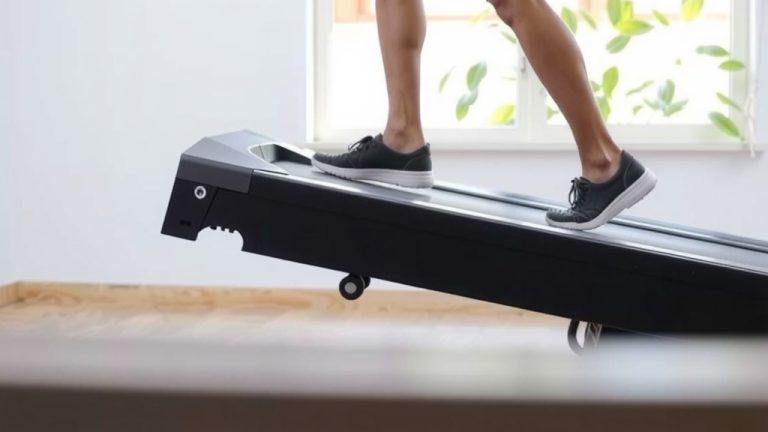
Don’t forget about incline! While speed is important, the ability to adjust the incline can significantly increase workout intensity without needing extreme speeds. Many treadmills offer inclines up to 10% or even 15%. For example, walking at a 4 mph pace with a 10% incline can provide a cardiovascular challenge similar to running at a much faster speed on a flat surface. This can be a great option for reducing impact on your joints while still getting a tough workout.
Preset Speeds and Quick Adjustments
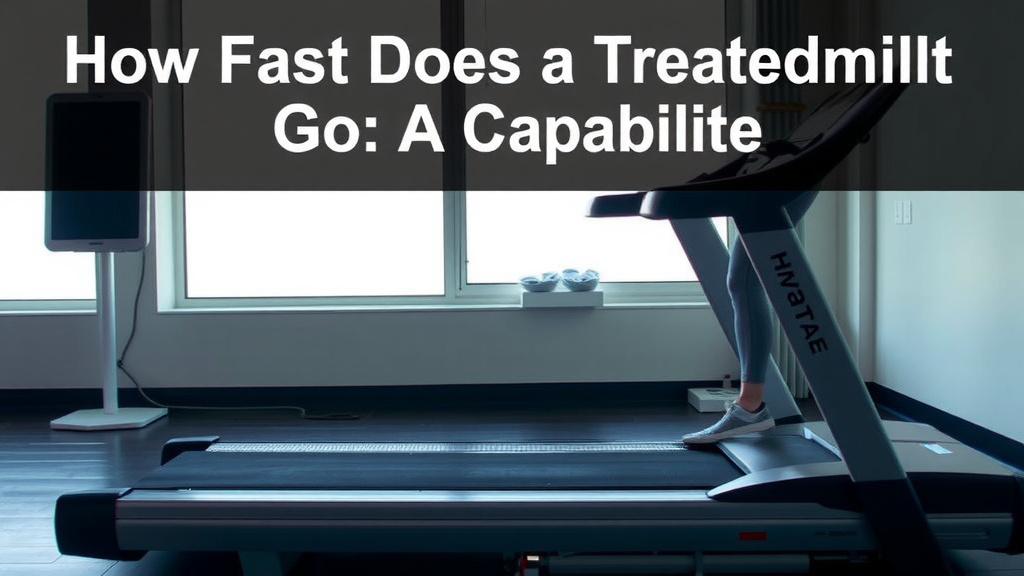
Treadmills often come with pre-programmed speed settings to make workouts more dynamic. These are usually found as buttons marked with specific mph values, like “3 mph,” “6 mph,” or “9 mph.” These shortcuts are super handy during interval training. You can switch between running and resting paces with a single button press. Many treadmills also feature “quick-adjust” buttons, often represented by plus and minus signs, to incrementally change speed.
Choosing the Right Treadmill Speed for You
When you’re shopping for a treadmill or using one at the gym, think about your personal fitness needs. What feels fast to one person might be a warm-up for another.
Consider Your Current Fitness Level
Be realistic about your current abilities. If you’re just starting, you probably don’t need a treadmill that goes 15 mph. A model with a top speed of 10 mph is likely more than enough. You can always increase your speed as your fitness improves. It’s better to start with a machine that offers a comfortable range for your current workouts.
Future Fitness Goals
Think about where you want your fitness to go. Are you training for a marathon? Do you want to improve your sprinting? If you anticipate needing higher speeds in the future, it might be worth investing in a treadmill with a higher top speed. This way, your treadmill can grow with you.
Safety First!
No matter the treadmill’s top speed, safety is always the priority. Always use the safety clip. Start at a slow pace before increasing speed. Be sure you’re comfortable and balanced before trying faster settings. A good rule of thumb is to ensure you can easily reach the emergency stop button if needed.
A Quick Checklist for Treadmill Speed
Here’s a handy checklist to keep in mind regarding treadmill speeds:
- Know Your Goal: Are you walking, jogging, or sprinting?
- Check Top Speed: Does it meet your highest anticipated need?
- Motor Power: Look for at least 2.0-2.5 CHP for runners.
- Stability: Does the treadmill feel sturdy at higher speeds?
- Incline Options: Can it offer variety beyond just speed?
- Safety First: Always prioritize a secure workout environment.
Conclusion
You’ve learned that treadmills offer a wide range of speeds, typically from 10-12 mph for home models and up to 15 mph or more for commercial machines. Your treadmill’s top speed is mostly determined by its motor power and build quality. Matching the treadmill’s speed capabilities to your personal fitness goals, whether you’re walking, jogging, or sprinting, is key. Always remember to prioritize safety, using the safety clip and starting at slower speeds. Now you’re ready to choose a treadmill that perfectly supports your fitness journey and helps you reach new personal bests safely and effectively!
Frequently Asked Questions
What’s the minimum speed on most treadmills?
Most treadmills start at a very slow pace, often around 0.5 mph. This is great for a gentle warm-up or a very slow recovery walk. You’ll find this low speed setting on nearly all models, whether for home or gym use.
Can a treadmill’s speed hurt the motor?
Running a treadmill at its absolute maximum speed for extended periods can strain the motor. However, for typical workouts within the recommended speed range for your model, the motor is designed to handle it. If you consistently push the machine to its limits, a higher horsepower motor is beneficial.
Do treadmill speeds differ between brands?
Yes, treadmill speeds can vary slightly between brands and even between different models within the same brand. While most home treadmills top out around 10-12 mph, some higher-end models or specialized running treadmills might offer faster speeds. Always check the specifications for the specific treadmill you’re interested in.
Is there a difference between speed settings and incline settings?
Absolutely. Speed settings control how fast the belt moves beneath you, mimicking walking or running pace. Incline settings adjust the angle of the belt, simulating uphill or downhill terrain. Many people find they can get a challenging workout by increasing incline at a moderate speed, rather than just relying on high speeds alone.
How can I be sure a treadmill’s speed is safe for me?
Always start at a speed that feels comfortable and controlled for your current fitness level. Use the safety clip, which will stop the treadmill if you move too far back. As you get fitter, you can gradually increase the speed. It’s wise to be able to easily reach the emergency stop button or safety clip at any speed.

One Comment