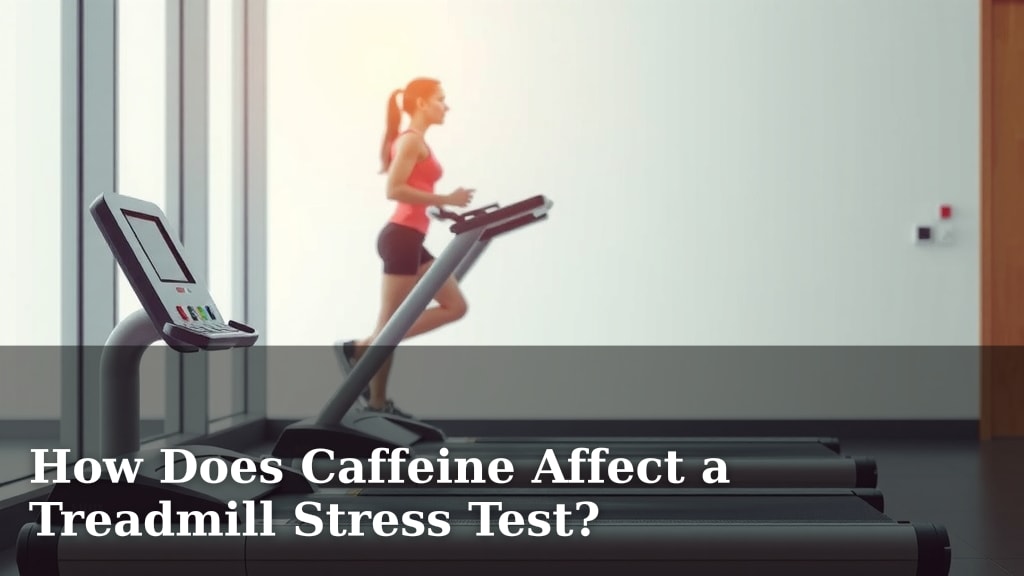
How Does Caffeine Affect a Treadmill Stress Test?
Caffeine can definitely affect your treadmill stress test results. It acts as a stimulant, which can artificially raise your heart rate and blood pressure. This might make your doctor think your heart is working harder than it actually is, potentially leading to a misinterpretation of your test. We found that many experts recommend avoiding caffeine for at least 12-24 hours before your test to get the most accurate picture of your heart’s true performance.
Understanding how caffeine impacts your body is key for accurate medical testing. Since caffeine is a common part of many people’s daily routines, it’s important to know its potential influence on diagnostic procedures like a stress test. Doctors rely on clear data to make informed decisions about your health, and eliminating variables like caffeine helps ensure they are seeing your natural heart function, not one boosted by a coffee or soda. This makes your results more reliable for them.
- Caffeine can change your stress test results.
- It makes your heart beat faster.
- This can trick your doctor into thinking your heart is less fit.
- Experts say to skip caffeine before your test.
- Stopping caffeine helps ensure accurate readings.
Let’s walk through exactly why avoiding caffeine before your stress test is so important and what you should do instead.
Conclusion
You now understand how caffeine can alter your treadmill stress test. It’s a stimulant that can skew your results by artificially boosting your heart rate and blood pressure. This can lead your doctor to a less accurate assessment of your heart’s true fitness. We’ve learned that the best way to ensure reliable data for your doctor is to avoid caffeine before your test. Planning ahead is key for your health. Please talk to your doctor about their specific caffeine guidelines and follow them closely for the most accurate stress test results.
Frequently Asked Questions
How long before a stress test should I stop drinking coffee?
Most experts recommend stopping caffeine intake for at least 12 to 24 hours before your treadmill stress test. This timeframe allows your body to metabolize the caffeine fully. Always check with your doctor for their exact recommendations, as they may vary.
What are the main risks of having caffeine before a stress test?
The primary risk is that caffeine can artificially elevate your heart rate and blood pressure. This can lead your doctor to believe your heart is under more strain than it actually is. It might also cause a false positive result, suggesting an issue that doesn’t exist.
Are there any medications that interact with caffeine and stress tests?
Some medications can affect how your body reacts to caffeine or how your heart responds during a stress test. It’s essential to tell your doctor about all medications and supplements you are taking. They can advise you on any potential interactions and necessary precautions.
What should I do if I accidentally consume caffeine before my stress test?
If you accidentally consume caffeine, inform your doctor or the testing technician immediately. They can help you understand how this might affect your results. In some cases, they may decide to reschedule your test to ensure accuracy.
Can I drink decaffeinated coffee before my stress test?
Generally, decaffeinated coffee is considered safe to drink before a stress test. It contains minimal amounts of caffeine. However, it’s always best to confirm with your healthcare provider. They can give you the most precise guidance based on your health and the test protocol.
![5 Best Apple Watch App for Treadmill Running [In 2026]](https://homegymion.com/wp-content/uploads/2026/03/5-Best-Apple-Watch-App-for-Treadmill-Running-768x516.jpg)