How to Do HIIT on a Treadmill
Yes, you can absolutely do a HIIT workout on a treadmill! It’s a fantastic way to boost your metabolism and burn calories in a short amount of time. Treadmill HIIT involves alternating between short bursts of intense running and brief recovery periods.
This high-intensity interval training approach is known for its efficiency. Many people find it’s a great way to get a tough workout without needing lots of space or equipment beyond the treadmill itself. You’ll be surprised by how much you can accomplish in just 20-30 minutes.
- HIIT on a treadmill is effective.
- It burns lots of calories.
- You alternate intense bursts with rest.
- Great for busy schedules.
Ready to get your heart rate up and your sweat on? Let’s walk through exactly how to build your perfect treadmill HIIT routine.
Designing Your Treadmill HIIT Workout
So, you’re ready to jump into treadmill HIIT. That’s great! You’re probably wondering how to actually put it all together. It’s simpler than you might think. A well-designed HIIT workout balances effort and recovery. This ensures you push hard without burning out too quickly. We’ll guide you through building a routine that works for your fitness level.
The Core Components: Speed and Incline
Treadmill HIIT primarily uses two variables: speed and incline. You can use one or both to create your challenge. Think of them as your workout’s intensity knobs. Turning them up makes the exercise harder. Turning them down makes it easier, giving you a chance to recover.
Using Speed for Intensity
Increasing your running or jogging speed is the most common way to boost intensity. You’ll want to find a pace that feels very challenging. It should be difficult to speak more than a word or two. This isn’t a casual jog; it’s a sprint or near-sprint. Many sources suggest this high intensity should feel like an 8 or 9 on a 1-10 effort scale (CDC).
Using Incline for Intensity
If high speeds feel unsafe or too jarring, you can use incline instead. A steep incline can make even a brisk walk or slow jog feel incredibly demanding. It targets different muscles, like your glutes and hamstrings, more directly. Some experts recommend starting with a 5-10% incline for a challenging climb.
Combining Speed and Incline
For an advanced challenge, you can combine both. Try increasing speed on a flat surface, then add incline for the next interval. This offers a varied and robust workout. Just be sure you feel stable and in control at all times. Safety first!
Structuring Your Intervals: Work and Rest
The “interval” in HIIT is key. It’s about timed periods of hard work followed by rest. The ratio of work to rest is important for effectiveness. You want to recover enough to perform the next work interval intensely. You don’t want to recover so much that you lose the high-intensity benefit.
Work-to-Rest Ratios to Consider
A common starting point is a 1:2 work-to-rest ratio. For example, sprint for 30 seconds, then walk or rest for 60 seconds. As you get fitter, you can adjust this. Many people progress to a 1:1 ratio, like 30 seconds of intense work followed by 30 seconds of active recovery (walking).
How Long Should Intervals Be?
Interval lengths can vary. Shorter, more intense bursts might be 15-20 seconds. Longer intervals could be 45-60 seconds. The key is that the work period is truly high intensity. The recovery period allows your heart rate to come down somewhat, but not completely. You should feel ready to go again, but definitely not recovered.
Putting It All Together: A Sample Treadmill HIIT Workout
Let’s build a sample workout. This is just a template; feel free to adjust it. A typical treadmill HIIT session lasts between 20-30 minutes. This includes your warm-up and cool-down.
| Phase | Duration | Activity | Intensity Level (1-10) |
|---|---|---|---|
| Warm-up | 5 minutes | Easy walk to brisk walk | 2-3 |
| Work Interval 1 | 30 seconds | Fast run/sprint | 8-9 |
| Recovery 1 | 60 seconds | Walk | 3-4 |
| Work Interval 2 | 30 seconds | Fast run/sprint | 8-9 |
| Recovery 2 | 60 seconds | Walk | 3-4 |
| Repeat | Repeat steps 3-6 for 15-20 minutes | ||
| Cool-down | 5 minutes | Slow walk | 2-3 |
Modifying for Your Fitness Level
Beginners might start with shorter work intervals and longer recovery periods. For instance, 20 seconds of intense effort with 90 seconds of walking. As you improve, you can gradually increase the work time or decrease the rest time. You can also increase the speed or incline used during the work intervals. Listening to your body is essential throughout.
Safety and Precautions for Treadmill HIIT
Treadmill HIIT is effective, but safety should always be your top priority. It’s easy to get caught up in the intensity and push too hard too soon. Research indicates that proper warm-up and cool-down are vital for injury prevention (NIH).
Always Warm Up and Cool Down
Never jump straight into high-intensity intervals. Your body needs time to prepare. A 5-minute brisk walk helps increase blood flow to your muscles and raises your core body temperature. Similarly, don’t stop abruptly after a hard sprint. A cool-down walk allows your heart rate to return to normal gradually. This can help prevent dizziness or muscle cramps.
Know Your Limits and Listen to Your Body
If you’re new to HIIT or running, start conservatively. Don’t aim for the fastest speeds or steepest inclines right away. Focus on maintaining good form. If you feel any sharp pain, stop immediately. It’s better to reduce the intensity or shorten the workout than to risk injury. Many fitness professionals advise against performing HIIT more than 2-3 times per week to allow for adequate recovery.
Use Treadmill Safety Features
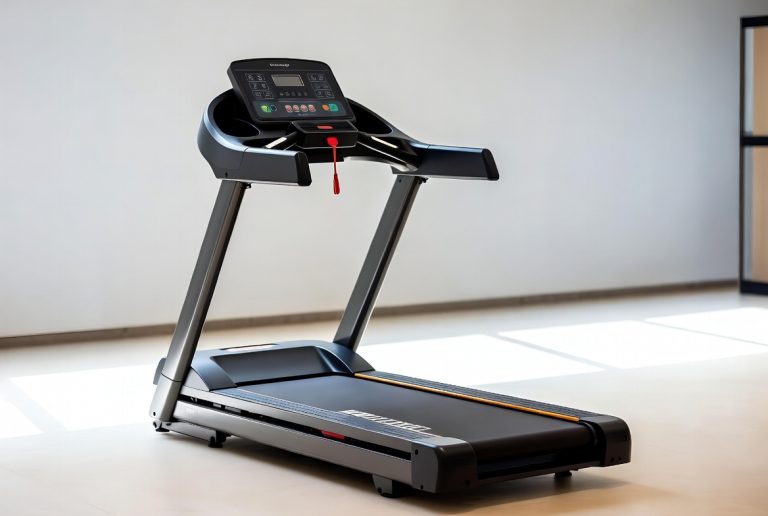
Familiarize yourself with the treadmill’s emergency stop clip. This is a small, usually red, cord you can attach to your clothing. If you lose your balance or feel you can’t continue, pulling this clip will stop the belt quickly. It’s a simple but important safety measure.
Tips for Maximizing Your Treadmill HIIT Sessions
Want to get the most out of every workout? A few simple strategies can make a big difference. These tips focus on making your sessions more effective and enjoyable.
Track Your Progress
Use the treadmill’s display or a fitness app to track your speed, duration, and distance. Seeing how you improve over time is incredibly motivating. You can see when you’re able to increase speed or maintain it for longer. This data helps you adjust your workouts intelligently.
Stay Hydrated
Drink water before, during, and after your workout. High-intensity exercise causes you to sweat more. Staying hydrated helps maintain your energy levels and supports muscle function. Aim for a few sips every 15-20 minutes during your session.
Consider Your Footwear
Wear appropriate running shoes. Good shoes provide cushioning and support, which are essential for high-impact activities like running intervals. This helps reduce the stress on your joints and feet. Look for shoes that fit well and offer the support you need.
Focus on Form
Maintain good running posture. Keep your head up, shoulders back, and core engaged. Land lightly on your feet, aiming for a midfoot strike if possible. Proper form not only makes your workout more effective but also helps prevent injuries. It’s about quality movement over quantity.
Mix It Up Regularly
Don’t be afraid to change your workout structure. Vary the work-to-rest ratios, the duration of your intervals, or the intensity levels. You can also switch between using speed and incline as your primary challenge. This keeps your body guessing and prevents plateaus.
When to Incorporate Treadmill HIIT into Your Routine
Treadmill HIIT is fantastic for busy schedules. Its efficiency means you can get a powerful workout in a short time. Many fitness experts suggest performing HIIT sessions no more than two to three times per week. This allows your body adequate time for muscle repair and recovery between these intense efforts.
Listen to Your Body’s Signals
It’s crucial to pay attention to how you feel. If you’re feeling consistently fatigued, sore, or notice a decline in performance, you might be overtraining. Rest days are just as important as workout days. They allow your body to adapt and get stronger.
Don’t Overdo It
While treadmill HIIT is beneficial, it’s a demanding form of exercise. It places a high load on your cardiovascular system and muscles. For beginners, starting with one HIIT session per week might be wise. Gradually increase frequency as your fitness improves. Recovery is where the magic happens.
Conclusion
You’ve learned how to design and execute an effective treadmill HIIT workout. Remember, the key is alternating between short bursts of intense effort and brief recovery periods. By adjusting speed and incline, and by carefully managing your work-to-rest ratios, you can create a challenging session that fits your fitness level. Always prioritize safety by warming up, cooling down, and listening to your body. Now it’s time to lace up your shoes and put your newfound knowledge into action. Start with a manageable routine and gradually increase the intensity as you get stronger!
Frequently Asked Questions
How often should I do HIIT on a treadmill?
It’s generally recommended to perform treadmill HIIT sessions no more than 2-3 times per week. This allows your body ample time to recover and rebuild between these intense workouts. Pay close attention to how your body feels and adjust frequency as needed.
What’s a good starting point for treadmill HIIT intervals?
For beginners, a 1:2 work-to-rest ratio is a great starting point. Try sprinting or running at a high intensity for 20-30 seconds, followed by 40-60 seconds of walking for recovery. As you get fitter, you can adjust this ratio.
Can I use incline instead of speed for intensity?
Absolutely! Using incline is a fantastic way to increase intensity, especially if high speeds feel unsafe or uncomfortable. A steep incline can challenge your muscles and cardiovascular system effectively without the impact of fast running.
What should I do if I feel dizzy during a HIIT workout?
If you feel dizzy, immediately slow down to a walk or stop the treadmill completely. Ensure you’re well-hydrated and have had enough to eat before your workout. If dizziness persists, it’s best to stop and consult with a healthcare professional.
How do I know if my treadmill HIIT workout is intense enough?
During your work intervals, you should feel like you can only speak a word or two. Many fitness trackers or experts suggest aiming for an 8 or 9 on a 1-10 perceived exertion scale. If you can comfortably chat, you likely need to increase speed or incline.