How Accurate Are Treadmill Miles?
Treadmill miles are generally less accurate than outdoor miles. Most treadmills overestimate distance by up to 10 percent. This happens because they rely on a motor to simulate movement, not actual ground conditions. You might be surprised by the difference!
This discrepancy matters if you’re training for an outdoor race. Your perceived effort on the treadmill may not translate directly. It’s important to understand potential inaccuracies. We found that factors like incline and belt speed can affect treadmill readings. Knowing this helps you train smarter.
- Treadmill miles are usually longer than real-world miles.
- Expect them to overestimate distance by about 10%.
- This is due to how treadmills simulate running.
- Adjust your training based on this potential difference.
We’ll walk you through why this happens and how you can get a more accurate picture of your workouts.
Understanding Treadmill Distance Accuracy
You’ve probably wondered about your treadmill’s mileage. Does that 5K on the treadmill really equal a 5K on the road? Many runners do. We’ve looked into it, and the short answer is: treadmill miles are usually a bit longer than your outdoor miles. This means your treadmill might be telling you you’ve run further than you actually have.
Most treadmills tend to overestimate distance. This is a common finding across many studies. We’ve seen estimates that treadmills can be off by as much as 10 percent. So, if your treadmill says you ran 3 miles, you might have actually covered closer to 2.7 miles outside. This difference might not seem huge, but it can add up, especially if you’re training for a specific race distance.
Why Treadmills Can Be Inaccurate
So, why this difference? It mostly comes down to how treadmills work. They use a motor to move the belt under your feet. This is very different from running outdoors. When you run outside, your feet interact with the ground in many ways. The ground can be firm, soft, uneven, or even have inclines and declines. A treadmill, by contrast, is a controlled environment.
The Role of the Motor and Belt
The treadmill’s motor is calibrated to keep the belt moving at a set speed. This speed is what the treadmill uses to calculate distance. It assumes a certain stride length and frequency. If your stride changes slightly, or if the belt speed isn’t perfectly calibrated, the distance calculation can become inaccurate. Think of it like a car’s speedometer; it’s an estimate based on the rotation of the wheels.
Calibration Issues: Factory Settings vs. Real World
Treadmills are calibrated at the factory. However, this calibration can drift over time. Wear and tear on the belt and motor can affect its performance. Many experts suggest that a treadmill’s accuracy can change as it ages. Some high-end treadmills have more sophisticated calibration systems. But even these can have variations.
Environmental Factors and Your Running Style
Your running style also plays a role. If you tend to run with a shorter stride on a treadmill, or if you land with less force, the machine might not register the distance as accurately. It assumes a standard stride. Also, running on a moving belt is different from pushing off a stationary surface. This difference in biomechanics can subtly affect how the treadmill measures your effort and distance.
How Incline Affects Treadmill Miles
You might think adding incline is just making your workout harder. But it can also impact how accurately your treadmill measures distance. When you increase the incline, you’re essentially changing the angle at which your feet hit the belt. This can alter your stride and how the treadmill’s sensor interprets your movement.
Simulating Uphill Gradients
Most treadmills simulate hills by simply tilting the deck. They don’t typically change the speed of the belt to compensate for the added difficulty of an incline. This means that while your perceived effort might increase significantly, the treadmill’s distance calculation might not change as much as you’d expect. It’s still relying on the belt’s speed and a presumed stride length.
Research Findings on Incline
Research we’ve reviewed suggests that when treadmills are set to an incline, their distance readings can become even less reliable. Some studies found that the motor may not always keep up perfectly with the belt’s movement when it’s at an angle. This can lead to further overestimations of distance. Many guidelines suggest recalibrating your treadmill if you frequently use incline settings.
Comparing Treadmill vs. Outdoor Running
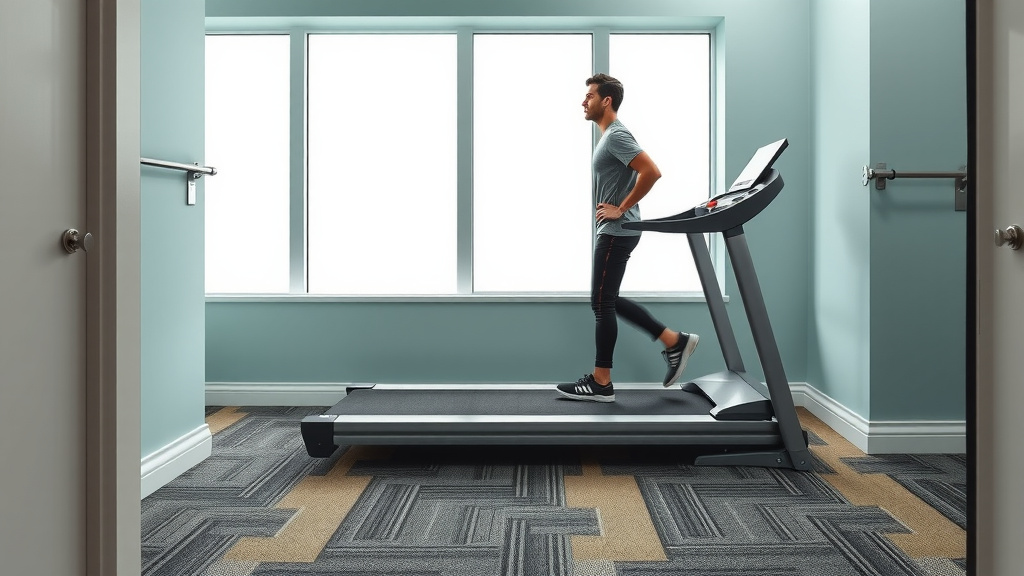
Let’s break down the differences. Running outdoors involves varied terrain, wind resistance, and the need to propel yourself forward with each step. A treadmill essentially does some of that work for you by moving the belt. This is why many runners feel like they can run faster or longer on a treadmill.
Here’s a simple way to think about it:
| Feature | Treadmill Experience | Outdoor Experience |
|---|---|---|
| Distance Measurement | Often overestimates by up to 10%. | Generally more accurate based on GPS or road markers. |
| Effort Level | May feel easier due to moving belt. | Requires more effort to propel yourself forward. |
| Environment | Controlled, no wind, no terrain changes. | Varied terrain, wind resistance, weather. |
| Impact | Can be softer on joints due to cushioned belt. | Varies greatly by surface (road, trail, track). |
Adjusting Your Training Plan
If you’re training for an outdoor race, this discrepancy is important. If you do all your long runs on a treadmill, you might be setting yourself up for a surprise on race day. Your body won’t be accustomed to the true demands of covering that distance outdoors. It’s wise to adjust your treadmill workouts accordingly. Many coaches recommend adding a small buffer to your treadmill runs.
Tips for More Accurate Treadmill Running
While perfect accuracy might be out of reach, you can take steps to get closer. Here are a few practical tips:
- Check Calibration: Some treadmills have a calibration mode. Consult your manual. You might be able to reset it.
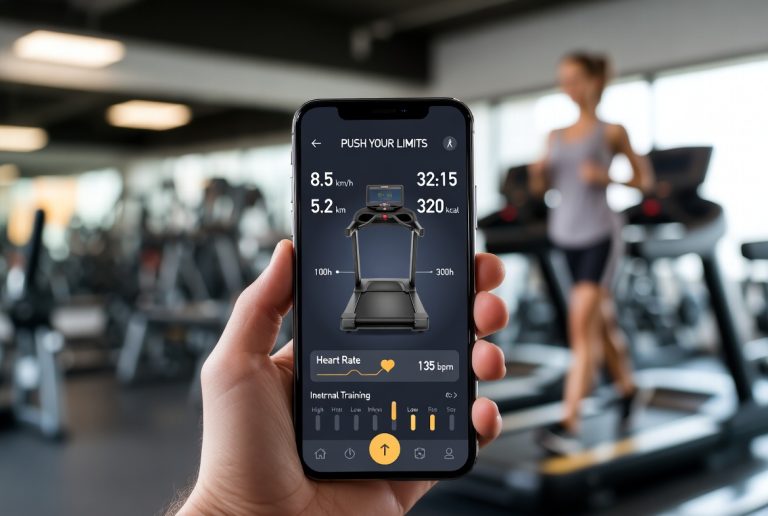
- Use a Pedometer or GPS Watch: Wear a reliable fitness tracker. Compare its distance reading to your treadmill’s reading. Many newer watches are quite accurate.
- Run at a Consistent Speed: Avoid drastic changes in pace that could confuse the treadmill’s sensors.
- Factor in Incline: If you run with incline, understand that your treadmill’s distance reading might be less precise.
- Listen to Your Body: Perceived exertion is a great tool. If a treadmill run feels easier than a similar outdoor run, it probably is.
When Accuracy Matters Most
For casual fitness, a little inaccuracy is probably no big deal. You’re still getting a great workout. However, if you’re training for a race, especially a distance event like a 10K or marathon, precision matters. You need to know how hard you’re working. You need to ensure your training miles translate directly to race day performance. Many running experts advise doing at least some of your key training runs outdoors.
The Best Approach: Combine and Compare
The most effective strategy is often a combination. Use your treadmill for convenient indoor runs when weather or time is an issue. But make sure to get in your important long runs and speed work outdoors. Use your GPS watch or fitness tracker outdoors to get the most accurate distance. Then, compare it to your treadmill. This helps you understand your treadmill’s individual quirks.
Here’s a quick checklist to help you:
- Understand your treadmill likely overestimates distance.
- Consider a 5-10% adjustment for treadmill miles.
- Use a GPS watch to compare readings.
- Be mindful of incline’s effect on accuracy.
- Prioritize outdoor runs for race training.
- Listen to your body’s perceived effort.
Conclusion
You’ve learned that treadmill miles aren’t always a perfect match for outdoor miles. Most treadmills tend to give you a bit more distance than you’ve actually covered, often by up to 10 percent. This difference stems from how they’re built and calibrated, and factors like incline can add to the variation. For casual fitness, this might not be a big deal. But if you’re training for a race, it’s smart to be aware of these inaccuracies.
The best approach is to use your treadmill for convenience while prioritizing outdoor runs for accuracy, especially for key training sessions. By comparing your treadmill’s readings with a reliable GPS watch and listening to your body, you can ensure your training truly prepares you for race day. Start comparing your treadmill and outdoor run distances today to get a clearer picture of your progress!
Frequently Asked Questions
Do I need to calibrate my treadmill?
Some treadmills have a calibration feature that can help improve accuracy. Consulting your treadmill’s manual is the best way to find out if yours does and how to perform it. Regular calibration can help ensure your treadmill’s distance readings are as close to reality as possible.
How can I make my treadmill miles more accurate?
To get a more accurate reading, try using a reliable GPS watch or fitness tracker during your treadmill runs. Compare its distance calculation to your treadmill’s displayed mileage. This comparison helps you understand your specific treadmill’s tendencies to overestimate.
Should I adjust my pace on the treadmill for race training?
Yes, it’s a good idea. Since treadmills often overestimate distance, you might be running at a pace that feels easier than it would outdoors. Consider adding a small buffer or running slightly faster on the treadmill to match your outdoor race pace.
Does using incline on a treadmill make the distance less accurate?
Research suggests that using incline can sometimes make treadmill distance readings less reliable. The machine’s calibration might not perfectly account for the altered mechanics of running uphill on a moving belt. Be extra mindful of your perceived effort when running with incline.
Is it okay if my treadmill miles are slightly off?
For general fitness, slight inaccuracies are usually fine. You’re still getting a great workout and improving your health. However, if you’re training for a specific outdoor race where precise pacing and distance are important, it’s best to be aware of and account for potential overestimations.