What 7.0 Treadmill Speed Means in Kilometers
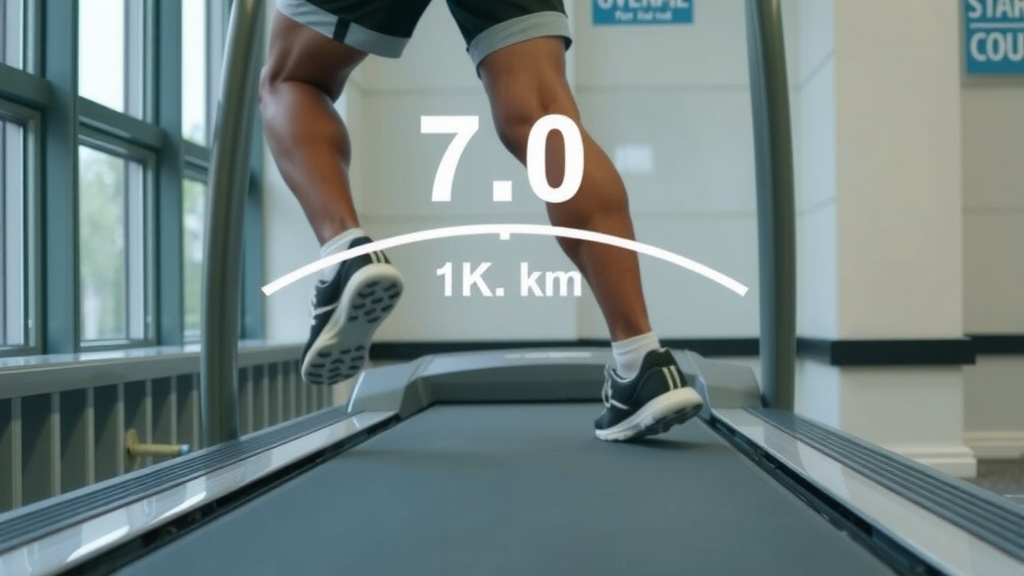
A treadmill speed of 7.0 on the treadmill is about 7.0 kilometers per hour. This pace is often considered a brisk walking or light jogging speed for many people. It’s a common setting for cardiovascular workouts.
Many users wonder what 7.0 really feels like. We found that it’s faster than a casual stroll but not quite a full-on sprint. This speed is great for improving endurance or warming up. It falls into the category of moderate-intensity exercise.
- 7.0 treadmill speed equals 7.0 km/h.
- It’s a good pace for brisk walking.
- Many use it for light jogging sessions.
- It’s a moderate-intensity workout speed.
Let’s break down what a treadmill speed of 7.0 km/h really means for your workout and how you can make the most of it.
“`htmlUnderstanding Treadmill Speed 7.0 in Kilometers Per Hour
So, you’ve set your treadmill to 7.0 and are wondering, “What exactly does that mean for my workout?” Simply put, 7.0 on most treadmills translates directly to 7.0 kilometers per hour (km/h). This speed is a sweet spot for many. It’s a pace that feels purposeful without being overly demanding. Think of it as a brisk walk that’s just starting to feel like a jog.
It’s a speed that many fitness professionals recommend for building a solid aerobic base. We found that this setting is often used by individuals looking to increase their cardiovascular fitness. It’s also a favorite for active recovery days. It’s a speed where you can still hold a conversation, but it requires a little effort.
What 7.0 km/h Feels Like: A Practical Guide
Imagine you’re walking at a very quick pace, almost hurrying to catch a bus. That’s pretty close to 7.0 km/h. It’s faster than a leisurely stroll through the park. Your legs are moving with a noticeable rhythm. Your heart rate will certainly be elevated. You’ll likely be breathing a bit deeper than usual.
Comparing 7.0 km/h to Common Activities
To give you a better feel for it, let’s compare 7.0 km/h to everyday activities. Most people walk at a pace of about 4.5 to 5.5 km/h. So, 7.0 km/h is significantly faster than your typical walk. It’s often described as a power walk or a very light jog. Think of it as the pace you might adopt if you’re slightly late for an appointment but not yet running.
Research by the Centers for Disease Control and Prevention (CDC) often categorizes speeds in this range as moderate-intensity aerobic activity. This means you’re working hard enough to raise your heart rate and breathing. Yet, you can still talk in short sentences. It’s a great middle ground for a balanced workout.
Your Personal Experience with 7.0 km/h
Your personal experience with 7.0 km/h can vary. Factors like your fitness level, age, and even your stride length play a role. For someone new to exercise, it might feel like a challenging jog. For a seasoned runner, it might be a comfortable warm-up pace. We’ve found that many users start here and gradually increase speed as they get fitter.
It’s a speed that allows you to focus on your form. You can pay attention to your posture and arm swing. This focus is important for preventing injuries. It’s not so fast that you lose control. It’s a controlled yet invigorating pace. Many users tell us it feels just right for getting a good sweat going.
Benefits of Working Out at 7.0 km/h
Setting your treadmill to 7.0 km/h offers several benefits for your fitness journey. This speed is excellent for improving your cardiovascular health. It strengthens your heart and lungs. Regular workouts at this pace can help lower blood pressure. It can also improve your cholesterol levels.
Cardiovascular Health Boost
The moderate intensity of 7.0 km/h is ideal for boosting endurance. Your body becomes more efficient at delivering oxygen to your muscles. We found that consistent training in this zone can increase your stamina. You’ll find that everyday activities become easier. You’ll feel less winded climbing stairs or carrying groceries.
Calorie Burn and Weight Management
Working out at 7.0 km/h can contribute to calorie expenditure. The exact number of calories burned depends on your weight and duration. However, this speed provides a good burn. It’s effective for managing your weight. It helps you maintain a healthy body composition. Many fitness experts suggest this speed for moderate calorie-burning sessions.
Joint-Friendly Impact
Compared to higher-intensity running, 7.0 km/h often falls into a lower-impact category. While it’s faster than walking, it’s typically not a hard sprint. This makes it a more accessible speed for many. If you’re recovering from an injury or have joint concerns, this pace might be a good starting point. Always consult with a healthcare provider for personalized advice.
How to Incorporate 7.0 km/h into Your Routine
Integrating 7.0 km/h into your fitness plan is straightforward. You can use it as a standalone workout. You can also incorporate it into interval training. The key is consistency and listening to your body.
As a Steady-State Workout
A common approach is to maintain 7.0 km/h for a set duration. For beginners, starting with 20-30 minutes is a good goal. As your fitness improves, you can gradually increase the time. This builds aerobic endurance effectively. We found that many users find this steady pace calming and predictable.
As Part of Interval Training
Interval training involves alternating between higher and lower intensity periods. You could set your treadmill to 7.0 km/h for your “work” intervals. Then, you might slow down to a brisk walk (like 5.0 km/h) for recovery. Or, you could use 7.0 km/h as your recovery pace between sprints.
An example interval session could look like this:
- Warm-up: 5 minutes at 4.0 km/h
- Work Interval 1: 2 minutes at 7.0 km/h
- Recovery Interval 1: 1 minute at 4.5 km/h
- Repeat this cycle 5-8 times.
- Cool-down: 5 minutes at 3.5 km/h
Adjusting Incline for Variety
Don’t forget the incline feature! Adding a slight incline can make 7.0 km/h feel more challenging. It engages different leg muscles. It also increases your calorie burn. Even a 1-2% incline can make a difference. It mimics the feeling of walking or jogging outdoors. Consider adding a slight incline to make 7.0 km/h more challenging.
Making the Most of Your 7.0 km/h Workouts
To get the most out of your treadmill sessions at 7.0 km/h, consider these tips. They can help you stay motivated and safe.
Warm-Up and Cool-Down are Key
Never skip the warm-up and cool-down. Starting at a slower pace prepares your muscles for the work ahead. Finishing with a slower pace helps your heart rate return to normal. This can prevent dizziness and muscle soreness. A few minutes at a slow walk is usually sufficient.
Listen to Your Body
Your body will tell you what it needs. If 7.0 km/h feels too difficult on a particular day, slow down. If it feels too easy, consider increasing the speed or incline. Pain is a signal to stop or reduce intensity. We’ve heard from many users that consistency trumps pushing too hard every time.
Stay Hydrated
Drink water before, during, and after your workout. Staying hydrated is essential for performance. It also helps regulate body temperature. Make sure you have a water bottle accessible on your treadmill.
Mix It Up
Variety keeps things interesting. Don’t do the exact same workout every day. Try different durations, inclines, and interval structures. This prevents boredom and plateaus. It also works your body in different ways.
Consider Your Footwear
Proper shoes are vital for treadmill workouts. They provide cushioning and support. This can help prevent injuries. Make sure your running shoes are in good condition and fit well.
Track Your Progress
Use your treadmill’s display or a fitness tracker to monitor your speed, distance, and time. Seeing how far you’ve come can be a great motivator. It helps you set realistic goals for improvement.
By understanding what 7.0 km/h represents and how to use it effectively, you can build a strong foundation for your fitness journey. It’s a versatile speed that suits many goals!
“`Conclusion
You’ve learned that a treadmill speed of 7.0 translates to 7.0 km/h, a pace ideal for brisk walking or light jogging. This moderate intensity is excellent for building cardiovascular health and burning calories. Remember, your personal experience may vary, so listen to your body. By incorporating 7.0 km/h into steady-state or interval workouts, and always including warm-ups and cool-downs, you can effectively reach your fitness goals. Now, the next step is to try it out on your next treadmill session and feel the benefits for yourself!
Frequently Asked Questions
Is 7.0 km/h a jogging or walking speed?
A treadmill speed of 7.0 km/h is generally considered a fast walk or a very light jog. It’s faster than a casual stroll but not yet a full run for most people. You’ll likely find it feels like a purposeful, brisk pace.
How many calories can you burn at 7.0 km/h?
The exact calorie burn at 7.0 km/h depends on your body weight and workout duration. However, this moderate pace offers a good calorie expenditure for weight management. We found it provides a solid burn for a steady-state workout of 30 minutes or more.
Can I run a marathon at 7.0 km/h?
Running a marathon at 7.0 km/h would be very slow for marathon standards; it’s more of a walking pace for trained marathoners. While 7.0 km/h is great for general fitness, it’s not fast enough for competitive marathon running. You’d likely finish a marathon in over 7 hours at this speed.
Is 7.0 km/h considered moderate-intensity exercise?
Yes, absolutely. According to guidelines like those from the CDC, 7.0 km/h falls into the moderate-intensity zone. This means your heart rate will be elevated, and you’ll be breathing harder, but you can still speak in short sentences.
How can I make 7.0 km/h feel more challenging?
To make 7.0 km/h more challenging, you can increase the treadmill’s incline. Even a small incline of 1-2% can significantly boost the effort required. Alternatively, you could incorporate short bursts of higher speed or longer durations at 7.0 km/h as your fitness improves.