
5 mph Treadmill Speed: A Moderate Pace Explained
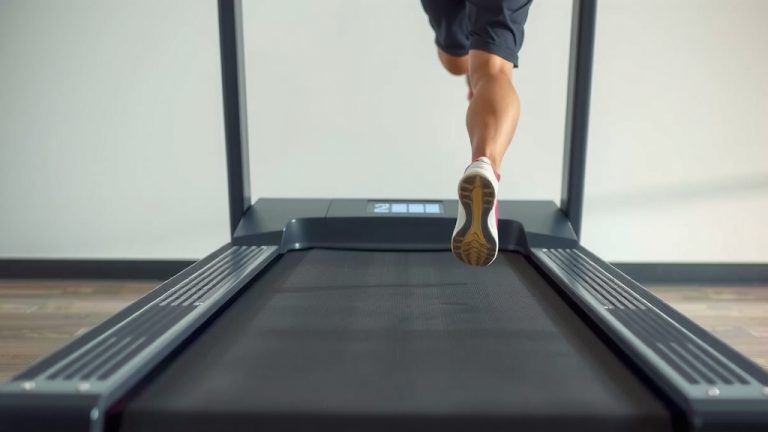
Running at 5 mph on a treadmill is a brisk jog that feels like a moderate to fast pace for most people. It’s significantly quicker than a casual walk but slower than a full-out sprint. Think of it as a pace you could maintain for a few miles if you’re reasonably fit, allowing for a good cardiovascular workout without being overly taxing. Many people find this speed to be an excellent balance for their fitness goals.
This treadmill speed is often right in the sweet spot for both beginner runners and seasoned athletes. For those starting out, 5 mph can be a challenging but achievable running goal. For more experienced runners, it might serve as a solid warm-up pace, a recovery jog, or part of a varied interval training session. It’s a speed where you can easily track your progress and see improvements over time. We found that many fitness trackers label this as a light jog.
- 5 mph is a brisk jog, not a walk or a sprint.
- It’s a moderate-to-fast pace for many fitness levels.
- You can sustain it for a few miles if you’re in decent shape.
- Great for cardio workouts and progress tracking.
- Can be a warm-up, recovery, or interval pace.
Let’s break down exactly what 5 mph feels like and how it fits into your workout routine.
“`htmlUnderstanding Your Pace: What 5 MPH Really Means on a Treadmill
So, you’re curious about 5 mph on the treadmill. It’s a speed that many people hit and find to be a fantastic middle ground. Think of it as your jogging sweet spot. It’s faster than a brisk walk, but definitely not a full-on sprint. You’re moving at a clip that gets your heart pumping without leaving you gasping for air. We found that many fitness trackers label this pace as a light jog, which gives you a good idea of the effort involved.
Is 5 MPH a Fast Walk or a Slow Jog?
This is a common question, and the answer is pretty clear. 5 miles per hour (mph) is generally considered a jogging pace for most adults. A typical brisk walk clocks in around 3 to 4 mph. So, when you bump it up to 5 mph on the treadmill, you’ve definitely crossed the threshold from walking into running territory. Your stride lengthens, your arms naturally swing more, and you’ll notice your breathing becoming more pronounced.
Comparing Treadmill Speeds to Real-World Walking
It’s interesting to note how treadmill speeds translate to outdoor walking. On a treadmill, the belt is doing some of the work for you by moving beneath your feet. This means 5 mph on a treadmill might feel slightly easier than walking at 5 mph outdoors on flat ground. However, when you’re jogging at 5 mph on the treadmill, it’s a solid running pace that feels very similar to a steady outdoor jog. We found that the consistent surface of a treadmill also makes it easier to maintain a set pace compared to varying terrain outside.
How Does 5 MPH Feel on Your Body?
When you’re running at 5 mph, your body is working. You’ll likely feel your heart rate increase significantly. It’s a speed that promotes good cardiovascular health. Many fitness guidelines suggest that a moderate-intensity workout, which 5 mph often falls into, can improve your heart health (CDC). You should be able to talk, but perhaps not sing, which is a good indicator of moderate exertion. Your muscles will feel engaged, especially your legs and core.
Who is 5 MPH For on the Treadmill?
This speed is wonderfully versatile. It’s not too slow for experienced runners, and it’s not too fast for beginners looking to progress. We’ve seen this speed used effectively across a wide range of fitness levels and goals.
Beginners: A Great Running Goal
If you’re new to running or getting back into it, 5 mph can be an excellent target. Many beginners start by alternating between walking and jogging. Hitting 5 mph for even short intervals is a sign of progress. You might find yourself able to jog for a minute or two at this speed, then walk for a few minutes. Gradually increasing your jogging time at 5 mph is a smart way to build endurance. We found that setting achievable goals like this keeps motivation high.
Intermediate and Advanced Runners: More Than Just a Jog
For those who already have a running base, 5 mph is likely a comfortable pace. You might use it for:
- Warm-ups: Starting your workout with a few minutes at 5 mph can prepare your muscles for more intense activity.
- Recovery runs: After a hard workout, a slower, easy run at 5 mph can aid muscle recovery without adding stress. Research shows that active recovery can be beneficial for reducing muscle soreness (NCBI).
- Base mileage: If you’re building your weekly mileage, running a few miles at a steady 5 mph can contribute positively to your overall fitness.
- Interval training: While it might be your recovery pace in an interval session, it could also be a target speed for some shorter, faster intervals if you’re training for longer distances.
Benefits of Running at 5 MPH
Beyond just moving, running at this pace offers tangible health benefits. It’s a speed where you can really feel the workout without feeling completely overwhelmed.
Cardiovascular Health Boost
Consistent cardio exercise is key for a healthy heart. Running at 5 mph elevates your heart rate into a zone that strengthens your cardiovascular system. This helps improve blood circulation and can lower your risk of heart disease. Many health organizations recommend at least 150 minutes of moderate-intensity aerobic activity per week (Mayo Clinic). A 30-minute jog at 5 mph checks that box nicely.
Calorie Burn and Weight Management
If weight management is one of your goals, 5 mph is an effective speed for burning calories. The exact number of calories burned depends on your weight, metabolism, and the duration of your run, but it’s a solid contributor. For example, a person weighing around 150 pounds could burn approximately 300-400 calories in a 30-minute run at 5 mph. This makes it a practical choice for helping you achieve a calorie deficit.
Mental Well-being and Stress Relief
Let’s not forget the mental perks! Exercise, including running at a steady pace, is a fantastic stress reliever. It releases endorphins, which are natural mood boosters. Even a short jog at 5 mph can help clear your head after a long day. We found that making exercise a regular part of your routine can significantly improve your overall mood and reduce feelings of anxiety and depression.

How to Gauge if 5 MPH is Right for You
Figuring out if 5 mph is your zone is mostly about listening to your body. Here are a few things to consider:
Your Current Fitness Level
Are you just starting out? If so, 5 mph might feel challenging initially. It’s okay to start slower or use it for intervals. If you’re already active, it might feel quite manageable. Your fitness journey is unique, so don’t compare yourself to others. Focus on what feels right for your body today.
The “Talk Test”
As mentioned, the talk test is a simple way to gauge intensity. At 5 mph, you should be able to speak in short sentences but not comfortably hold a long conversation. If you can’t speak at all, you’re likely going too fast. If you can chat easily, you might need to pick up the pace for a more challenging workout. This simple test is often recommended by fitness professionals.
Listen to Your Body’s Signals
Pay attention to how you feel during and after your run. Are you excessively sore the next day? Do you feel completely drained? These could be signs that the intensity or duration needs adjustment. Conversely, if you feel energized and accomplished, you’re probably in a good range. Your body will tell you if you’re pushing too hard or not hard enough.
| Activity | Approximate Speed (MPH) | Perceived Exertion |
|---|---|---|
| Leisurely Walk | 2.0 – 3.0 | Very Light |
| Brisk Walk | 3.0 – 4.0 | Light to Moderate |
| 5 MPH Jog | 5.0 | Moderate to Vigorous |
| Easy Run | 5.5 – 6.5 | Vigorous |
| Fast Run/Sprint | 7.0+ | Very Vigorous |
Making 5 MPH Work for Your Treadmill Routine
Incorporating 5 mph into your treadmill sessions can be straightforward. It’s a speed that allows for flexibility in your workout design. You can easily adjust the duration or combine it with other speeds for variety.
Warm-up and Cool-down Strategy
A common approach is to start with a 5-minute warm-up at 3-4 mph, then increase to 5 mph for your main working period. After your main set, cool down by gradually decreasing your speed back down to 3 mph and then 2 mph. This systematic approach helps your body transition safely into and out of more strenuous activity. Many trainers recommend this structured warm-up and cool-down.
Interval Training Ideas
For a more dynamic workout, try intervals. For instance, you could jog at 5 mph for 2 minutes, then reduce to 3.5 mph for 1 minute. Repeat this cycle several times. Or, use 5 mph as your recovery between faster bursts of running. The key is to vary your speeds to challenge your body in different ways. This type of training can improve both speed and endurance.
Progressing Towards or Away from 5 MPH
If 5 mph feels too fast right now, don’t worry! Focus on building up your walking pace and then introducing short jogging intervals at a slightly slower speed, perhaps 4.0-4.5 mph. As you get fitter, you’ll find yourself naturally able to sustain 5 mph for longer. If 5 mph is becoming too easy, it’s a great sign that you’re ready to increase the speed slightly, maybe to 5.5 or 6.0 mph, for a greater challenge.
Here’s a quick checklist to help you evaluate if 5 mph is right for your current treadmill routine:
- Can you maintain a steady breathing pattern at 5 mph?
- Does it feel like a moderate challenge, not an all-out effort?
- Are you able to jog for at least 1-2 minutes at this speed if you’re a beginner?
- Does 5 mph allow you to complete your planned workout duration comfortably?
- Do you feel invigorated rather than completely exhausted afterward?
- Is 5 mph a speed you can use for at least 15-20 minutes to get a good cardio workout?
Conclusion
You’ve learned that 5 mph on a treadmill is a versatile jogging pace, perfect for many fitness levels. It’s a solid middle ground – faster than a brisk walk but less intense than a sprint. We’ve seen it serve as a great starting point for beginners, a useful tool for intermediate runners’ warm-ups and recovery, and an effective speed for boosting cardiovascular health and burning calories. The key is to listen to your body and adjust as needed. Ready to give it a try? Lace up your shoes and hop on the treadmill for a balanced and rewarding workout!
Frequently Asked Questions
Is 5 MPH considered a fast run?
No, 5 MPH is generally considered a light to moderate jog, not a fast run. Experienced runners often find this pace suitable for warm-ups, cool-downs, or recovery runs. A fast run on a treadmill typically starts at speeds of 7 MPH or higher, depending on your fitness level.
How many calories can you burn at 5 MPH?
The number of calories burned at 5 MPH varies based on your weight and workout duration, but it’s a good calorie-burning pace. For example, a 150-pound person might burn around 300-400 calories in a 30-minute session at this speed. This makes it an effective pace for weight management goals.
Can I use 5 MPH for interval training?
Absolutely! 5 MPH can be used effectively in interval training. You might use it as your steady jogging pace between bursts of faster running, or as a recovery speed after high-intensity intervals. Adjusting the duration of your 5 MPH intervals can help you tailor the workout to your goals.
How does treadmill 5 MPH compare to outdoor running?
Treadmill 5 MPH often feels slightly easier than running at the same speed outdoors on flat ground. This is because the treadmill belt assists with the leg turnover. However, it’s still a robust jogging pace that closely mimics the effort of a steady outdoor jog.
What if 5 MPH feels too hard or too easy?
If 5 MPH feels too challenging, focus on building up your endurance with shorter jogging intervals mixed with walking, or try a slightly slower speed. If it feels too easy, it’s a sign you’re ready to increase the speed slightly, perhaps to 5.5 or 6.0 MPH, to continue progressing your fitness.