

Treadmill Pace: How Fast Is 4 MPH For Your Workout
Four miles per hour (mph) on a treadmill is a brisk walking pace for most people. It’s faster than a casual stroll but slower than a jogging speed. You’ll feel your heart rate increase and might start to break a light sweat, making it a great workout intensity for cardio without the impact of running.
This speed is often considered the upper end of a brisk walk or the very beginning of a light jog. Many treadmills use 4 mph as a standard setting for a good cardiovascular challenge. It’s an effective speed for burning calories and improving endurance.
- 4 mph is a brisk walking pace.
- It’s faster than a casual stroll.
- It’s slower than a typical jogging speed.
- It’s great for cardio and calorie burning.
- Expect a light sweat and increased heart rate.
Let’s break down what 4 mph really feels like on the treadmill and how you can make the most of it.
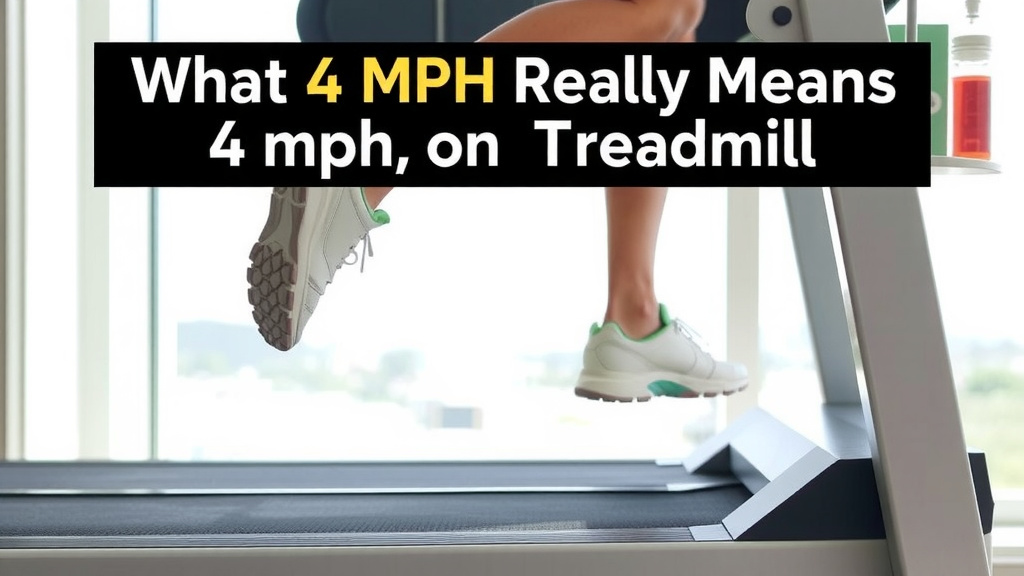
“`htmlWhat 4 MPH Really Means on a Treadmill
So, you’re curious about what hitting 4 miles per hour on your treadmill actually feels like. Think of it as your power-walking sweet spot. It’s a speed that gets your body moving efficiently without demanding the high impact of running. Many fitness professionals consider this pace to be the ideal brisk walking speed for a good workout. It’s fast enough to make you feel like you’re really exercising, but not so fast that you can’t sustain it for a decent amount of time.
When you set your treadmill to 4 mph, you’re likely to feel your heart rate climb. You might even notice a light sheen of sweat forming. This is a great indicator that you’re engaging your cardiovascular system. It’s a speed that balances effort with comfort for many individuals. Research from institutions like the Mayo Clinic often points to walking at a brisk pace as a highly effective way to improve cardiovascular health and burn calories.
Comparing 4 MPH to Other Activities
To really understand 4 mph, let’s put it into perspective. How does it stack up against everyday movements?
Casual Walking vs. 4 MPH Brisk Walk
A casual stroll is typically around 2 to 3 mph. You might walk this pace when you’re window shopping or just taking in the sights. At 4 mph, you’re moving with purpose. Your stride will be longer, and your arms will likely swing more actively. You’re not just ambling; you’re marching along with intent. It’s the kind of pace you might adopt when you’re trying to get somewhere a little faster but still want to enjoy the journey.
4 MPH vs. Jogging and Running
Jogging usually starts around 4.5 to 5 mph. Running speeds can vary wildly, from 6 mph up to 10 mph or more for experienced runners. So, 4 mph sits comfortably in the upper bracket of walking. It’s on the cusp of jogging for some, but for most, it’s a very fast walk. If you’re trying to avoid the jarring impact of running, 4 mph is a fantastic alternative for getting a good cardio workout. It allows you to increase your heart rate significantly without putting as much stress on your joints.
Everyday Activities at 4 MPH
Imagine walking through a busy airport to catch your flight. That’s often around 4 mph. Or perhaps walking briskly to meet a friend for coffee across town. It’s a speed that feels efficient and productive. It’s not a leisurely pace; it’s a speed that suggests you have somewhere to be and you’re moving at a good clip to get there. This speed is well within the average human walking speed range, as many studies on gait and mobility show.
The Physical Sensations of Walking at 4 MPH
When you’re moving at 4 mph, your body responds. You’ll notice a few key changes.
Cardiovascular Response
Your heart will start to beat faster. This is your cardiovascular system working harder to deliver oxygenated blood to your muscles. You’ll likely feel your breathing become more pronounced. It won’t be gasp-for-air difficult, but you’ll definitely be breathing more deeply than usual. This increased heart rate is a prime target for cardiovascular benefits. Guidelines from organizations like the Centers for Disease Control and Prevention (CDC) recommend aiming for a moderate-intensity workout, which 4 mph often achieves for brisk walkers.
Calorie Burn Potential
At 4 mph, you’re burning a respectable number of calories. The exact amount depends on your weight, metabolism, and how long you maintain the pace. However, research consistently shows that walking at a brisk pace, like 4 mph, burns more calories than a slow or moderate walk. It’s an effective tool for weight management and improving overall fitness. For example, a person weighing around 155 pounds might burn approximately 250-300 calories per hour walking at 4 mph, according to some metabolic estimates (Harvard Health Publishing).
Muscle Engagement
While not as intense as running, walking at 4 mph still engages your leg muscles. You’ll feel your calves, hamstrings, and quadriceps working. Your glutes will also get a good workout, especially if you focus on maintaining good posture and a strong push-off with each step. You might even feel your core muscles engaging to help you maintain balance and stability. This increased muscle activity contributes to the overall calorie burn and helps build lower body strength.
Making the Most of 4 MPH on Your Treadmill
Now that you know what 4 mph feels like, how can you best use it? It’s a versatile speed.
Incorporating 4 MPH into Your Routine
This speed is perfect for steady-state cardio sessions. Aim for 30 to 60 minutes at 4 mph for a solid workout. You can also use it as part of an interval training session. For example, you could walk at 3 mph for a warm-up, then increase to 4 mph for several minutes, followed by a brief cool-down walk. It’s a fantastic pace for active recovery days too, allowing you to move your body without overexerting yourself after a tougher workout.
Adjusting Incline for Greater Challenge
Want to kick it up a notch without increasing the speed? Try adding an incline. Even a 1-2% incline at 4 mph can significantly increase the intensity. It mimics walking uphill, which engages your glutes and hamstrings more. A 5% incline at 4 mph starts to feel like a challenging hike. This is a great way to vary your workouts and prevent your body from adapting too much to the same routine. Experimenting with incline is a smart strategy for continuous improvement.
Listening to Your Body
While 4 mph is a great benchmark, remember that everyone is different. Some people might find it a brisk walk, while others might feel it’s a light jog. Pay attention to how your body feels. Are you able to hold a conversation? If yes, you’re likely in the moderate-intensity zone. If you can only speak a few words at a time, you might be in the vigorous zone. Adjust the speed or incline based on your personal fitness level and goals. The most effective workout is one that you can do consistently and safely.
A Quick Checklist for Your 4 MPH Treadmill Workout
- Set treadmill to 4 mph.
- Warm up for 5 minutes at a slower pace (e.g., 2.5-3 mph).
- Engage your core and maintain good posture.
- Swing your arms naturally to help with momentum.
- Consider adding a slight incline (1-3%) for added challenge.
- Listen to your body and adjust as needed.
| Speed (MPH) | Perceived Effort | Typical Activity |
|---|---|---|
| 2.0 – 3.0 | Easy / Casual | Leisurely stroll, warm-up |
| 3.0 – 3.9 | Moderate / Brisk | Brisk walk, good cardio |
| 4.0 – 4.5 | Brisk to Vigorous | Fast walk, start of light jog |
| 4.5 – 5.5 | Vigorous | Jogging pace |
| 6.0+ | Very Vigorous | Running pace |
Conclusion
You’ve learned that 4 mph on the treadmill is a powerful pace. It’s your go-to for a brisk walk that boosts your heart rate and burns calories effectively. This speed offers a fantastic cardio challenge without the joint impact of running, making it perfect for sustained workouts or as a key part of your interval training. Remember to listen to your body and consider adding incline to keep your workouts fresh and challenging. Now, lace up those shoes and try incorporating 4 mph into your fitness routine to experience its benefits firsthand!
Frequently Asked Questions
Is 4 mph too fast for a beginner on a treadmill?
For most beginners, 4 mph is a challenging but achievable pace for a brisk walk. If you’re completely new to treadmill workouts, you might want to start a bit slower, around 2.5-3.5 mph, to build your stamina. You can gradually increase your speed to 4 mph as you feel more comfortable and your fitness improves.
Can walking at 4 mph help with weight loss?
Yes, walking at 4 mph can definitely contribute to weight loss. This pace burns more calories than a slower walk, helping you create the calorie deficit needed for weight management. Consistent workouts at this intensity, combined with a healthy diet, will yield the best results.
How long should I walk at 4 mph for a good workout?
A good workout duration at 4 mph is typically between 30 to 60 minutes. This timeframe allows you to achieve moderate-intensity cardiovascular benefits and burn a substantial amount of calories. You can adjust this based on your fitness level and how you feel during the workout.
What’s the difference between 4 mph walking and jogging?
At 4 mph, your feet typically remain in contact with the treadmill belt, which is the defining characteristic of walking. Jogging usually begins around 4.5 mph or slightly higher, where both feet might be off the belt simultaneously during your stride. Essentially, 4 mph is considered a very fast walk, on the cusp of a light jog for some.
Can I talk normally while walking at 4 mph?
You should be able to hold a conversation, though it might be a bit breathier than at a casual pace. If you can speak in full sentences without gasping for air, you are likely in the moderate-intensity zone, which is great for cardiovascular health. If you can barely speak a few words, you’re pushing into a more vigorous effort.





8 Comments