Treadmill Speed 3.0: How Fast Is It Really
Treadmill 3.0 is generally considered a moderate to brisk walking pace for many people. For most adults, this translates to about 3.1 miles per hour, which is a solid walking speed. It’s a great starting point for many fitness routines.
Many treadmills use the term “speed” to indicate miles per hour. So, a 3.0 setting means 3.0 mph. This speed is often used for steady-state cardio workouts. It’s fast enough to get your heart rate up but still allows for conversation.
- Treadmill 3.0 usually means 3.1 miles per hour.
- It’s a brisk walking pace for most people.
- Good for steady cardio and warming up.
- Easily adjustable for different fitness levels.
Let’s dive deeper into what a treadmill 3.0 means for your workout and how you can use it effectively.
Understanding Treadmill Speed 3.0: What It Means for Your Workout
So, you’ve hopped on the treadmill and set it to 3.0. What does that actually mean for your body and your fitness goals? Generally, treadmill speed 3.0 is considered a brisk walking pace. For the average adult, this translates to approximately 3.1 miles per hour. It’s a great speed for getting your blood pumping without feeling like you’re about to break into a full sprint. Think of it as a confident stroll with a purpose.
Is 3.0 Fast or Slow on a Treadmill?
Whether 3.0 is fast or slow really depends on your personal fitness level and what you’re trying to achieve with your workout. For someone just starting out, 3.0 mph can feel like a good challenge. You’ll likely feel your heart rate pick up a bit. For others who are used to more vigorous activity, 3.0 mph might be a comfortable warm-up or cool-down pace. We’ve found that it’s a fantastic sweet spot for many.
What to Expect at 3.0 MPH
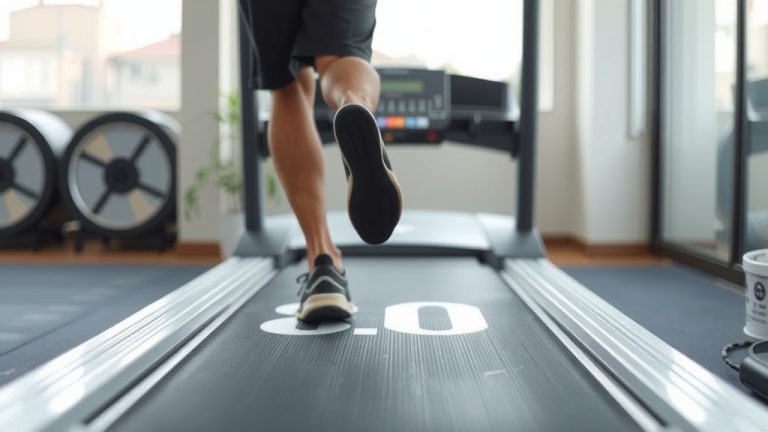
When you’re walking at 3.0 mph, you’ll notice a few things. Your steps will be longer and quicker than a casual stroll. You can still easily hold a conversation, which is a good sign. This pace is often recommended for its ability to provide a steady cardiovascular workout. It helps improve endurance and burns calories without putting too much stress on your joints.
Using Treadmill Speed 3.0 Effectively in Your Routine
Speed 3.0 isn’t just a number on a screen; it’s a tool you can use to shape your fitness journey. It’s incredibly versatile. You can use it for dedicated walking workouts or as a component of a more varied training session. We found that its adaptability makes it a favorite for beginners and seasoned exercisers alike.
Speed 3.0 as a Starting Point
If you’re new to treadmills or exercise in general, starting at 3.0 mph is a smart move. It allows you to get comfortable with the machine’s motion. You can focus on your posture and breathing. Many fitness professionals suggest this speed for an initial warm-up period. It prepares your muscles for more intense activity later on.
Incorporating Speed 3.0 into Cardio Workouts
For a moderate cardio session, a steady 3.0 mph pace can be perfect. You can maintain this speed for 20-30 minutes or longer. This duration is often recommended for cardiovascular health benefits (CDC). It helps strengthen your heart and lungs. You might find your endurance improves over time as you stick with this pace.
Building Intensity with Incline
Want to make 3.0 mph more challenging without increasing the speed? Try adding incline. Even a small incline, like 1-2%, can make a big difference. Research shows that walking on an incline engages your leg muscles more intensely. It also burns more calories. A 3.0 mph speed with a 5% incline can feel like a vigorous hill climb for many.
Interval Training with Speed 3.0
Interval training is a fantastic way to boost fitness. You can easily integrate speed 3.0 into interval workouts. For example, you could walk at 3.0 mph for 2 minutes, then increase the speed to 3.5 or 4.0 mph for 1 minute. After the faster interval, you return to 3.0 mph. This helps you push your limits safely. We found that this method can improve calorie burn significantly.
Speed 3.0 for Recovery and Cool-Downs
After a tough workout, your body needs a chance to wind down. A slow walk at 2.0 mph might be too slow for some. That’s where 3.0 mph comes in. It provides a gentle pace for cooling down. This helps your heart rate gradually return to normal. It also aids in muscle recovery. Many sources suggest a slow walk for 5-10 minutes as a post-exercise ritual.
Who Benefits Most from Treadmill Speed 3.0?
The beauty of treadmill speed 3.0 is its broad appeal. It’s not just for one type of person. We found that a wide range of individuals can find value in this particular speed setting.
Beginners and Those Returning to Fitness
As mentioned, beginners often find 3.0 mph to be an accessible and manageable pace. It allows them to build confidence and stamina. For individuals returning to exercise after an illness or injury, this speed offers a safe way to reintroduce physical activity. It’s important to listen to your body at this stage. Gradual progression is key.
Individuals Seeking Low-Impact Cardio
Walking is a low-impact form of exercise. This makes it easier on your joints than running. Treadmill speed 3.0 offers a good cardiovascular challenge with reduced stress. People with joint issues or those who prefer not to jog might find this speed perfect. It still provides excellent health benefits without the pounding. The American Heart Association recommends at least 150 minutes of moderate-intensity aerobic activity per week, and walking at 3.0 mph can help you meet that goal.
People Focused on Weight Management
Consistent walking is a cornerstone of weight management. Burning calories is essential for creating a calorie deficit. Walking at 3.0 mph for a sustained period can contribute to your daily calorie expenditure. Combining this with a healthy diet can lead to effective weight loss. We found that consistency is more important than speed for long-term results.
Quick Checklist for Using Treadmill Speed 3.0
Ready to put speed 3.0 to work? Here’s a simple checklist to guide you:
- Start slow if you’re new to treadmills.
- Listen to your body and adjust as needed.
- Consider adding incline for more challenge.
- Use it for warm-ups, steady-state cardio, or cool-downs.
- Stay hydrated throughout your workout.
- Ensure you have good, supportive shoes.
Comparing Treadmill Speed 3.0 to Other Activities
To give you a better sense of where 3.0 mph fits in, let’s compare it to other common activities. This can help you visualize the intensity.
Walking vs. Jogging vs. Running
A casual stroll is typically around 2.0 mph. So, 3.0 mph is a clear step up. A light jog might start around 4.0 mph, and running speeds vary greatly but often begin at 5.0 mph or higher. Treadmill speed 3.0 sits comfortably in the brisk walking category. It’s faster than leisurely walking but slower than jogging. This makes it ideal for many fitness goals.
Calorie Burn Estimates
Calorie burn varies based on individual factors like weight, metabolism, and duration. However, we can look at general estimates. A person weighing around 155 pounds might burn approximately 200-250 calories per hour walking at 3.0 mph. This is a respectable amount for a low-impact activity. For comparison, running at 5.0 mph might burn closer to 500-600 calories per hour for the same individual. This highlights that 3.0 mph is a solid contributor to calorie expenditure, especially when done consistently.
General Pace Comparisons
Think of 3.0 mph as the pace you might adopt when you’re walking briskly to catch a bus or meet a friend. It’s purposeful and steady. It’s not a race, but it’s definitely not a dawdle. Many people find this speed feels very natural and sustainable for extended periods.
Tips for a Better Workout at Speed 3.0
To make the most of your treadmill time at 3.0 mph, keep these tips in mind:
Focus on Your Form
Even at a walking pace, good form is important. Keep your head up, shoulders back, and engage your core. Let your arms swing naturally. Good posture helps you breathe better and prevents strain. We found that focusing on form makes the workout more effective.
Vary Your Workouts
Don’t feel like you have to stick to just 3.0 mph every time. Mix it up! Use incline, try short bursts of faster speed, or alternate between 3.0 mph and a slightly slower or faster pace. Variety keeps your body challenged and prevents boredom. Your muscles will thank you for the different stimuli.
Listen to Your Body
This cannot be stressed enough. If 3.0 mph feels too easy, increase the speed or incline. If it feels too hard, slow down. There’s no shame in adjusting the settings to what feels right for you on any given day. Your body’s needs can change, and your workout should adapt accordingly. This ensures you avoid overexertion and potential injury.
Conclusion
You’ve learned that treadmill speed 3.0 is a versatile brisk walking pace, generally equating to 3.1 mph. It’s a fantastic option for beginners, those seeking low-impact cardio, or anyone focused on weight management. You can use it effectively for warm-ups, steady-state cardio, or recovery. Remember to listen to your body and adjust your workout by adding incline or varying speeds. Your next step? Hop on the treadmill and try a 3.0 mph pace for your next workout, perhaps incorporating one of the intensity-building tips you just read!
Frequently Asked Questions
Is 3.0 mph a good pace for weight loss?
Yes, 3.0 mph can be effective for weight loss when done consistently. While it’s a moderate pace, sustained walking at this speed burns calories. Combining it with a healthy diet is key for creating the calorie deficit needed for weight loss. We found that consistency at 3.0 mph often yields better long-term results than infrequent, high-intensity workouts.
How does treadmill speed 3.0 compare to outdoor walking?
Treadmill speed 3.0 is generally equivalent to a brisk outdoor walk. You might walk slightly slower or faster outdoors depending on terrain and your personal pace. On a treadmill, 3.0 mph provides a consistent speed, allowing for a more controlled workout. It’s a great way to simulate a brisk walk regardless of weather conditions.
Can I run at 3.0 mph on a treadmill?
For most people, 3.0 mph is too slow to be considered running. It falls squarely into the brisk walking category. A light jog typically starts around 4.0 mph or higher. If you want to run on the treadmill, you’ll need to increase the speed significantly beyond 3.0 mph.
How many calories can you burn at 3.0 mph?
Calorie burn varies, but a person around 155 pounds might burn approximately 200-250 calories per hour walking at 3.0 mph. This is a good estimate for a moderate-intensity, low-impact activity. Increasing the duration or adding incline at 3.0 mph will further boost your calorie expenditure.
Should I always use an incline at 3.0 mph?
Not necessarily. While adding an incline at 3.0 mph can increase intensity and calorie burn, it’s not mandatory. If you’re a beginner or using 3.0 mph for a cool-down, a flat surface is perfectly fine. You can add incline when you want to challenge yourself further or target different leg muscles.