What Does 3.0 Speed Mean on a Treadmill
So, you’re wondering, “How fast is 3 on a treadmill?” Essentially, a treadmill speed of 3.0 mph is a brisk walking pace for most people. It’s faster than a casual stroll but not quite a run. Think of it as a good speed for getting your steps in without breaking too much of a sweat. We found this speed to be a popular choice for many users.
This speed is excellent for warming up, cooling down, or for a steady-state cardio workout. It offers a good calorie burn without the high impact of running. Many find that 3.0 mph hits a sweet spot for effective, low-impact exercise. You can easily adjust it up or down to fit your fitness goals.
- 3.0 mph is a brisk walking speed.
- It’s ideal for warm-ups and cool-downs.
- Offers a good calorie burn with low impact.
- Easily adjustable for your fitness level.
- A comfortable pace for steady cardio.
Let’s break down exactly what a 3.0 mph pace feels like and how you can best use it for your workouts.
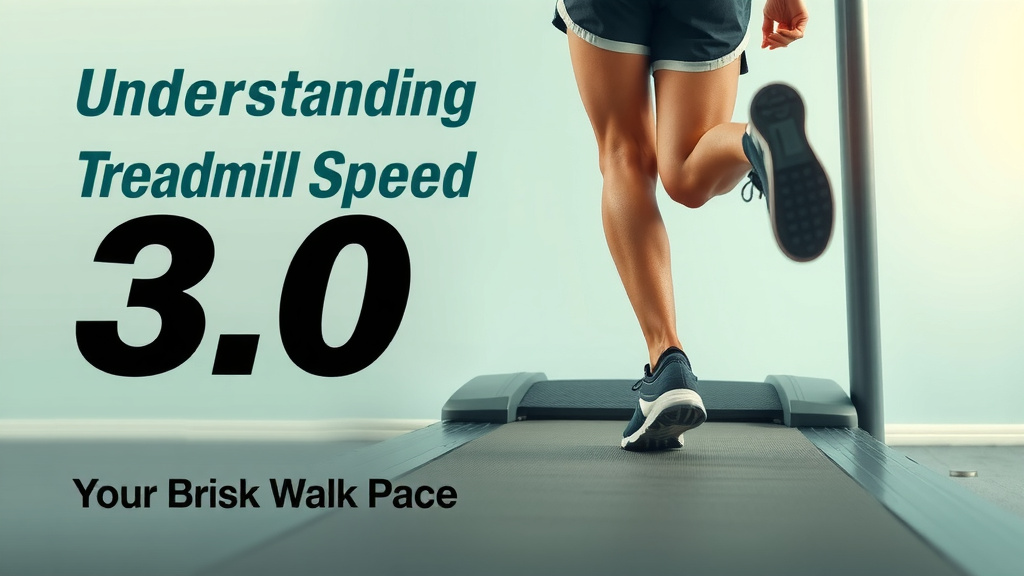
“`htmlUnderstanding Treadmill Speed 3.0: Your Brisk Walk Pace
So, you’re curious about what 3.0 mph on a treadmill actually feels like. We’ve found that this speed is a **popular choice** for many individuals. It’s a pace that most people can maintain comfortably for an extended period. Think of it as a substantial walk, a step up from a leisurely stroll you might take through the park. It’s not so fast that you’re gasping for air, but it’s definitely got your heart rate up a bit.
For context, the average walking speed for an adult is typically around 3.1 mph (CDC). So, 3.0 mph is right in that **sweet spot** for a brisk, steady walk. You’ll feel your legs moving with purpose, and your breathing will become more noticeable. It’s the kind of speed where you might break a light sweat, especially if you’re wearing warmer clothing or the room is a bit toasty.
What Does 3.0 MPH Feel Like?
Your Body’s Response at This Pace
When you set your treadmill to 3.0 mph, your body starts to engage more actively. Your heart rate will likely increase, promoting better circulation and cardiovascular health. You’ll notice your leg muscles working, particularly your calves and hamstrings, as you propel yourself forward. It’s an effective way to get your body moving without the jarring impact that running can sometimes cause.
Many users report feeling energized after a workout at this speed. It’s a pace that helps wake up your body and mind. We’ve seen that it can be a great way to start your day or overcome that mid-afternoon slump. The consistent movement helps to improve blood flow, which can leave you feeling more alert and focused.
Comparing 3.0 MPH to Other Speeds
To really understand 3.0 mph, let’s compare it. A very casual stroll might be around 2.0 mph. This is where you’re barely moving, maybe just ambling along. On the other hand, a jogging pace often starts around 4.0 to 5.0 mph. So, 3.0 mph sits nicely in the middle, bridging the gap between a leisurely walk and the beginning of a run.
Imagine you’re walking briskly to catch a bus or to get to an appointment on time. That’s the kind of effort 3.0 mph demands. It’s a **purposeful pace**. It’s faster than your everyday meanderings but still very much within the realm of walking for most people. This makes it incredibly versatile for different fitness levels.
Maximizing Your Workout with 3.0 MPH
The Benefits of Brisk Walking
Why choose 3.0 mph? For starters, it’s a fantastic way to build cardiovascular endurance. Regular brisk walking has been shown to lower the risk of heart disease and stroke (Mayo Clinic). It also contributes to weight management by burning calories. At 3.0 mph, you can expect to burn a respectable number of calories over 30-60 minutes. This steady-state cardio is also easier on your joints than high-impact activities.
Furthermore, this speed is excellent for active recovery. If you’ve had an intense workout the day before, a 3.0 mph session can help promote blood flow to your muscles, aiding in their repair and reducing soreness. It’s a way to stay active without overstressing your body. Many fitness professionals recommend incorporating active recovery days into your routine.
Incorporating 3.0 MPH into Your Routine
You can use 3.0 mph in several ways. It’s an ideal speed for your **warm-up** before more intense exercise. Spending 5-10 minutes at this pace gets your muscles ready and your heart pumping gently. It’s also perfect for your **cool-down** after a tough run or workout. Gradually reducing your intensity to 3.0 mph helps your heart rate return to normal safely.
For a steady-state cardio workout, maintaining 3.0 mph for 30-60 minutes can be very effective. This type of workout is excellent for burning fat and improving stamina. You can even add incline to make it more challenging without increasing the speed. We found that even a slight incline can significantly boost the calorie burn and muscle engagement.
| Speed (MPH) | Activity Type | Effort Level |
|---|---|---|
| 1.5 – 2.5 | Slow Walk / Stroll | Very Light |
| 3.0 | Brisk Walk | Moderate |
| 4.0 – 5.0 | Jog / Light Run | Moderately Intense |
| 5.5 – 7.0 | Running | Intense |
Adjusting for Your Fitness Level
One of the best things about 3.0 mph is its adaptability. If you’re just starting your fitness journey, this speed might feel challenging but achievable. You can focus on maintaining good posture and form. As you get fitter, you’ll find it becomes easier. You can then increase the duration of your walks at this speed.
Conversely, if 3.0 mph feels a bit too fast initially, don’t worry! You can start at a slightly slower pace, like 2.5 mph, and gradually work your way up. Or, you can use 3.0 mph for shorter intervals within your workout. The key is to listen to your body and find a speed that allows you to work out effectively but safely. You might be surprised how quickly you progress.
Tips for a Great 3.0 MPH Workout
To make the most of your 3.0 mph treadmill sessions, consider these tips:
- Stay Hydrated: Always have water nearby and sip it regularly.
- Focus on Form: Keep your head up, shoulders back, and swing your arms naturally.
- Incorporate Incline: Even a small incline can make the workout more challenging.
- Wear Proper Shoes: Good athletic shoes support your feet and prevent injury.
- Listen to Your Body: Don’t push too hard, especially when starting out.
- Vary Your Routine: Combine 3.0 mph walks with other activities for well-rounded fitness.
Research consistently shows that regular physical activity, even at a moderate intensity like brisk walking, contributes significantly to overall health and well-being (NIH). So, whether you’re using 3.0 mph for a warm-up, cool-down, or a primary cardio session, you’re making a **positive choice** for your health.
“`Conclusion
You’ve learned that 3.0 mph on a treadmill is your go-to speed for a brisk, effective walk. It’s the perfect pace to warm up, cool down, or enjoy a solid, low-impact cardio session. We’ve seen how it energizes your body and contributes to your health goals without being too demanding. Remember, this speed is incredibly adaptable to your fitness level, so don’t hesitate to adjust it.
Your next step? Lace up your shoes and try out 3.0 mph on your next treadmill session! See how it feels and discover how it fits into your routine to help you move more and feel great.
Frequently Asked Questions
How long should I walk at 3.0 mph to see results?
For general fitness and calorie burn, aim for 30-60 minutes at 3.0 mph. Research indicates that consistent moderate-intensity exercise is key for cardiovascular health. You might start with shorter durations and gradually increase as you build endurance. You’ll likely notice increased energy levels fairly quickly.
Is 3.0 mph good for weight loss?
Yes, walking at 3.0 mph can contribute to weight loss when combined with a healthy diet. While it might not burn calories as rapidly as running, its lower impact makes it sustainable for longer durations. This means you can spend more time exercising, leading to a greater overall calorie expenditure over time.
Can I run at 3.0 mph on a treadmill?
For most adults, 3.0 mph is considered a brisk walking pace, not a running pace. A typical jogging or running speed usually starts around 4.0-5.0 mph. If 3.0 mph feels like a run to you, that’s perfectly fine and indicates a good level of intensity for your current fitness. Focus on what feels right for your body.
Is 3.0 mph too slow for an effective workout?
Not at all! As we’ve discussed, 3.0 mph is a brisk walk that effectively raises your heart rate and burns calories. For many, it’s the ideal pace for sustained cardio, warm-ups, and cool-downs. The effectiveness depends on your fitness goals and how long you maintain the pace, especially if you add incline.
What if 3.0 mph feels too fast or too slow for me?
That’s completely normal! If 3.0 mph feels too fast, try starting at 2.0-2.5 mph and gradually increase your speed as you get comfortable. If it feels too slow, you can either increase the duration of your workout at 3.0 mph or add an incline to boost the intensity. Listen to your body and adjust accordingly.