Treadmill Speed 14: How Fast Is It Really
Setting your treadmill to 14 mph is pretty speedy! It’s essentially a full sprint for most people. If you’re an elite runner, this speed might feel like a comfortable pace for a short burst. For the average person, it’s a challenge that requires serious conditioning.
Running at 14 mph means you’re covering a mile in about 4 minutes and 20 seconds. This is a pace often seen in competitive racing. It’s a speed that demands peak physical fitness and endurance from your body. Pushing yourself this hard should be approached with care.
- 14 mph on a treadmill is a fast sprint.
- It’s a pace for elite runners or very short bursts.
- This speed covers a mile in about 4 minutes 20 seconds.
- Advanced fitness is needed to sustain this speed.
- Always warm up and cool down properly.
Let’s break down what running at 14 mph really means for you and how to approach it safely.
Understanding Treadmill Speed: What 14 MPH Truly Means
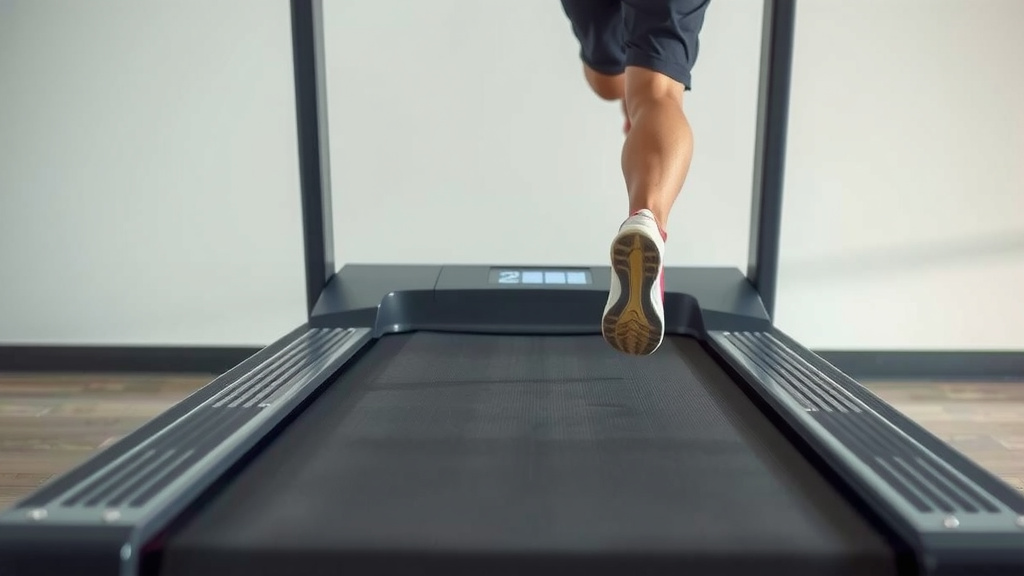
So, you’re curious about hitting 14 mph on your treadmill? That’s a serious speed! Let’s talk about what it actually feels like and what it takes to get there. Think of it as a full-throttle sprint. Most people can’t maintain this pace for more than a few seconds. It’s the kind of speed you see in the final push of a race.
Reaching 14 mph means you’re covering ground very quickly. Specifically, it translates to a mile in about 4 minutes and 20 seconds. This is a pace that many competitive runners aim for during shorter races. It requires significant training and physical conditioning to even attempt.
Who Can Run at 14 MPH?
The Elite Runner’s Pace
For elite athletes, 14 mph might be a challenging but achievable pace for short intervals. These are individuals who have dedicated years to rigorous training. Their bodies are conditioned for high-impact, high-speed running. They often incorporate speed work into their training regimens.
The Average Exerciser’s Limit
For the majority of us, 14 mph is likely beyond our current capabilities. It’s not a pace you can just jump into. Trying to hit this speed without proper preparation can lead to injury. Your body needs time to adapt to increased intensity. Pushing too hard, too soon is a recipe for disaster.
What 14 MPH Looks Like in Other Sports
To put it in perspective, 14 mph is comparable to the top speed of some professional athletes. Think about the burst speed of a wide receiver in American football or a sprinter in a short race. It’s that kind of explosive movement. It’s not something you sustain for long periods.
The Physical Demands of Running at 14 MPH
Running at 14 mph places immense stress on your body. Your cardiovascular system is pushed to its limits. Your muscles, bones, and joints need to withstand the impact. This speed requires a highly efficient aerobic and anaerobic system. It also demands excellent biomechanics.
Cardiovascular Impact
Your heart rate will skyrocket when you hit 14 mph. Your body needs a massive amount of oxygen. Your lungs work overtime to deliver it. This level of intensity is typically reserved for very short, high-intensity bursts. The CDC recommends moderate-intensity aerobic activity for 150 minutes per week, or vigorous-intensity for 75 minutes. 14 mph is well beyond vigorous for most.
Muscular and Skeletal Strain
The impact forces are significantly higher at faster speeds. Each stride at 14 mph creates more pressure on your joints. Your leg muscles, including your quads, hamstrings, and calves, work furiously. They need to generate power quickly. Your core muscles are also engaged to maintain stability. This can lead to muscle fatigue and potential strains or tears if not properly conditioned.
Energy Expenditure
You burn a substantial amount of calories at this speed. It’s an incredibly efficient way to torch calories in a short time. However, your body also needs fuel to sustain that effort. Glycogen stores are depleted rapidly. Proper pre- and post-workout nutrition is essential for those attempting such intense efforts.
Is 14 MPH Safe for You? Assessing Your Fitness Level
Before you even think about touching that 14 mph mark, you need an honest assessment of your fitness. Jumping on a treadmill and setting it to that speed without preparation is risky. Safety should always be your top priority.
Your Current Running Routine
What does your current running routine look like? Are you regularly running miles at a comfortable pace? Can you comfortably run a 5K or 10K? If you’re just starting out or even if you’re a casual runner, 14 mph is probably not for you. You need a solid foundation of fitness first.
Listen to Your Body
Your body provides signals. Are you experiencing pain? Do you feel dizzy or breathless? These are signs to slow down. Never push through sharp pain. It’s your body’s way of telling you something is wrong. Respect those signals. Many experts recommend consulting with a doctor before starting any new strenuous exercise program (American Heart Association).
Treadmill Limitations
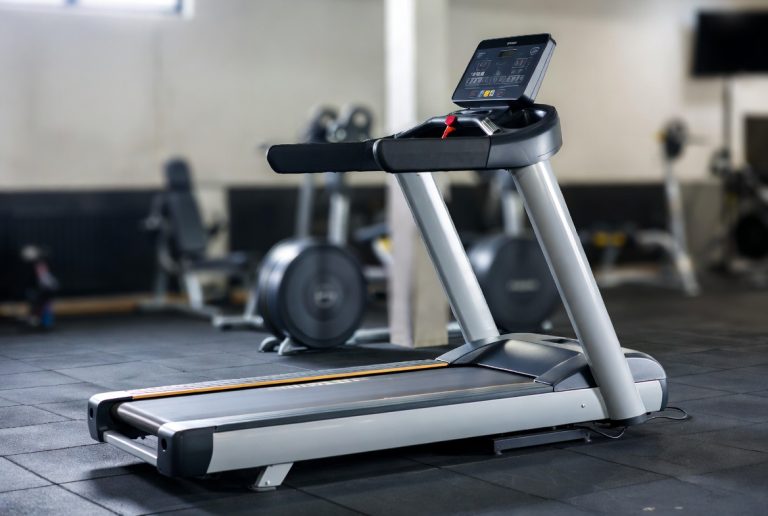
Treadmills have speed limits. Some models might not even reach 14 mph. If yours does, ensure it’s in good working order. A malfunctioning treadmill can be dangerous at any speed, let alone a sprint. Always make sure the safety clip is attached.
Safely Approaching High Treadmill Speeds
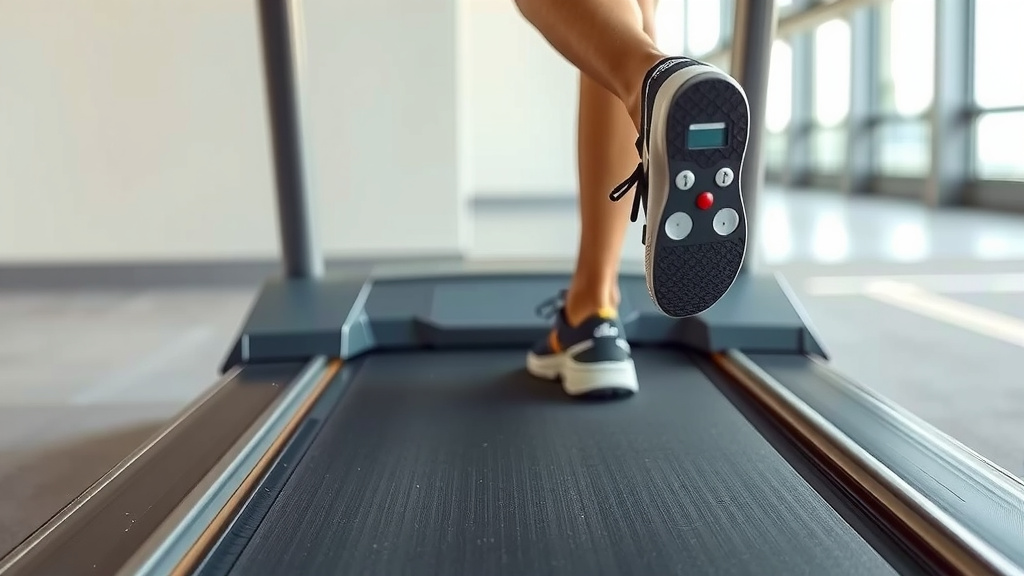
If you’re determined to work towards higher speeds, do it gradually and smartly. Building up to 14 mph is a journey, not a destination you arrive at overnight.
Gradual Speed Progression
Start by increasing your speed incrementally. If you can comfortably run at 8 mph, try running at 8.5 or 9 mph for short bursts. Gradually increase the duration you spend at these higher speeds. Don’t rush the process. It can take months or even years to build up to elite speeds.
Incorporate Interval Training
Interval training is key. This involves alternating between high-intensity bursts and recovery periods. For example, sprint at a high speed for 30 seconds, then recover by walking or jogging for 2 minutes. Repeat this cycle. This method helps your body adapt to faster paces.
Strength Training is Your Friend
Stronger muscles support your joints and improve your running form. Focus on leg exercises like squats, lunges, and calf raises. Core strengthening exercises are also vital for stability. A strong body can handle more impact and stress.
Proper Warm-up and Cool-down
Never skip these steps. A dynamic warm-up prepares your muscles for intense activity. This might include leg swings and high knees. A cool-down helps your body recover. Static stretching after your run can improve flexibility.
Comparing Speeds: 14 MPH vs. Other Activities
| Activity/Speed | Approximate MPH | Description |
|---|---|---|
| Brisk Walking | 3-4 MPH | A steady, purposeful walk. |
| Jogging | 5-7 MPH | A comfortable running pace for many. |
| Fast Running / Tempo Run | 8-10 MPH | Challenging pace for sustained effort. |
| 14 MPH Sprint | 14 MPH | Maximum effort, very short duration. |
| Usain Bolt’s Record Pace | ~27.3 MPH | World record sprint speed (short burst). |
As you can see, 14 mph is firmly in the sprint category. It’s a speed that requires peak physical readiness. It’s not a casual jog or even a hard run for most people.
Key Takeaways for Reaching High Speeds
- Assess your current fitness level honestly.
- Build up speed gradually over time.
- Incorporate interval training into your workouts.
- Don’t forget strength training to support your body.
- Always prioritize safety with proper warm-ups and cool-downs.
- Listen to your body and rest when needed.
Conclusion
Hitting 14 mph on your treadmill is a serious feat, reserved for those with peak physical conditioning. It’s a speed that mimics a competitive sprint, demanding immense cardiovascular effort and muscular strength. For most, it’s not a sustainable pace, but rather a short, explosive burst. Prioritizing safety means building up to such speeds gradually through smart training, interval work, and strength building.
Don’t push your limits without preparation. Listen to your body, warm up properly, and cool down afterward. If you’re curious about your own speed potential, start by honestly assessing your current fitness and setting small, achievable speed goals.
Frequently Asked Questions
Is 14 mph the same as a full sprint?
Yes, for most individuals, 14 mph on a treadmill is considered a full-out sprint. This speed requires maximum effort and can typically only be maintained for very short durations, similar to what you’d see in a short race or a track event.
How long would it take to run a mile at 14 mph?
At a speed of 14 mph, you would cover a mile in approximately 4 minutes and 20 seconds. This pace is quite fast and is usually associated with competitive runners or elite athletes during specific training intervals.
Can an average person train to run at 14 mph on a treadmill?
It’s possible with dedicated and consistent training, but it’s a challenging goal. You would need to gradually increase your speed over a significant period, incorporating interval training and strength work to build the necessary fitness and prevent injury.
What are the risks of trying to run 14 mph without being prepared?
Attempting to run at 14 mph without adequate preparation can lead to significant risks. These include muscle strains, sprains, joint injuries, and even falls from the treadmill due to loss of control. Always build up to high speeds safely.
Should I always use the safety clip on the treadmill at high speeds?
Absolutely. You should always use the safety clip, especially when running at high speeds like 14 mph. The clip will stop the treadmill immediately if you fall or lose your footing, helping to prevent serious injury.