
What 13 mph on a Treadmill Really Feels Like
Running at 13 mph on a treadmill is **extremely fast**, hitting a pace that’s faster than most people can sustain for more than a few seconds. This speed is typically associated with elite sprinters, reaching speeds of around a 4:38 mile pace. For context, even competitive long-distance runners rarely exceed 11-12 mph.
For the average person, 13 mph is a **blistering pace** that requires immense athleticism and training. It’s not a speed you’d typically encounter during a regular cardio workout or even during a challenging interval session. Most treadmills have a maximum speed limit, and 13 mph often pushes those limits.
- 13 mph on a treadmill is **elite sprinter speed**.
- It’s much faster than most runners can maintain.
- This pace translates to a sub-5-minute mile.
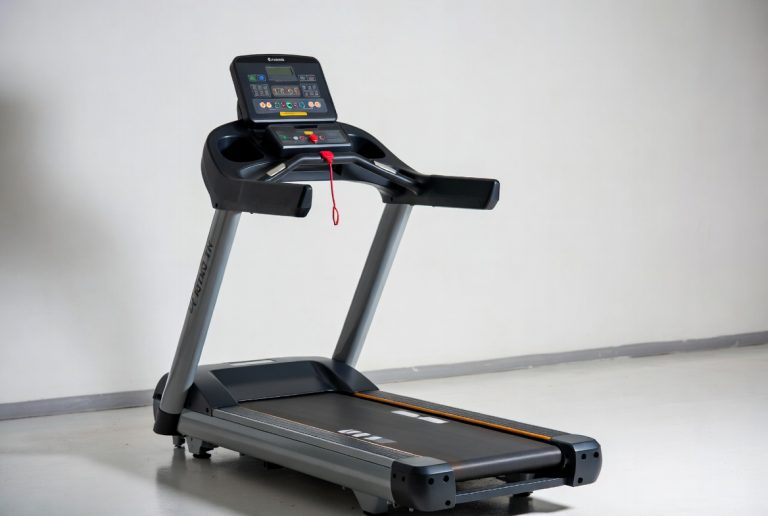
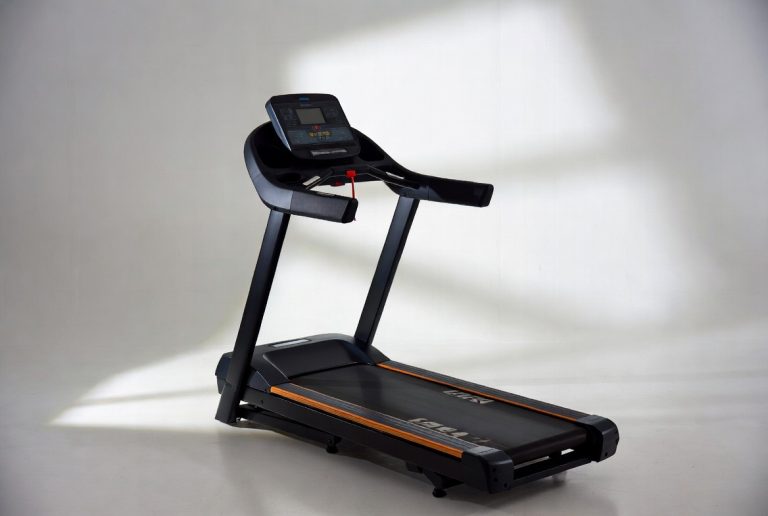
- You’ll likely find this speed at the **very top end** of treadmill capabilities.
So, how fast is 13 mph really, and what does it mean for your workout? Let’s break down what this speed looks and feels like.
Understanding Treadmill Speed: How Fast is 13 MPH?
So, you’re curious about 13 mph on a treadmill. Let’s get straight to it: 13 mph is an **incredible speed** for running. It’s a pace that most people, even regular runners, can’t maintain for very long, if at all. We’re talking about elite sprinter territory here. To put it in perspective, this speed is faster than what you’d see in most professional marathons.
Translating MPH to a Mile Pace
When you see a treadmill set to 13 mph, it’s helpful to know what that means in terms of a mile. At 13 miles per hour, you’d complete a mile in just over 4 minutes and 36 seconds. That’s a 4:36 mile pace. For comparison, a common goal for good recreational runners might be a 6-minute mile, while elite marathoners often run around 5 minutes per mile. This shows just how exceptionally fast 13 mph truly is.
Who Runs at 13 MPH?
You won’t find many people hitting 13 mph on a regular basis. This speed is primarily the domain of highly trained athletes, especially sprinters. Think Olympic-level sprinters during their peak performance. Even professional long-distance runners, who are built for endurance at high speeds, typically don’t sustain speeds this high for extended periods. They focus on slightly slower, but more sustainable, paces for their events.
The Physiology Behind Such Speed
Running at 13 mph requires an immense amount of power and efficiency. Your leg turnover, or cadence, needs to be extremely rapid. Your muscles must generate significant force with each stride to propel you forward at such a velocity. Cardiovascular fitness is, of course, paramount, but it’s the combination of explosive power, refined technique, and sheer genetic talent that allows someone to reach and maintain this pace.
What 13 MPH Feels Like on a Treadmill
Imagine a speed so fast it feels like the ground is disappearing beneath you. That’s a good way to describe 13 mph. It’s not just a fast jog; it’s a full-blown sprint. Your body is working overtime, and you’ll likely feel a strong urge to lean forward, which is natural when trying to maximize forward momentum.
The Treadmill’s Role and Limitations
Most standard treadmills are designed for the average user, with top speeds often capping out around 10-12 mph. You’ll find treadmills capable of reaching 13 mph in specialized gyms or those designed for elite athletes. If your treadmill doesn’t go that high, don’t feel bad – it’s perfectly normal! Even if it does, hitting 13 mph often means you’re at the machine’s absolute limit.
The Experience of Running at Maximum Speed
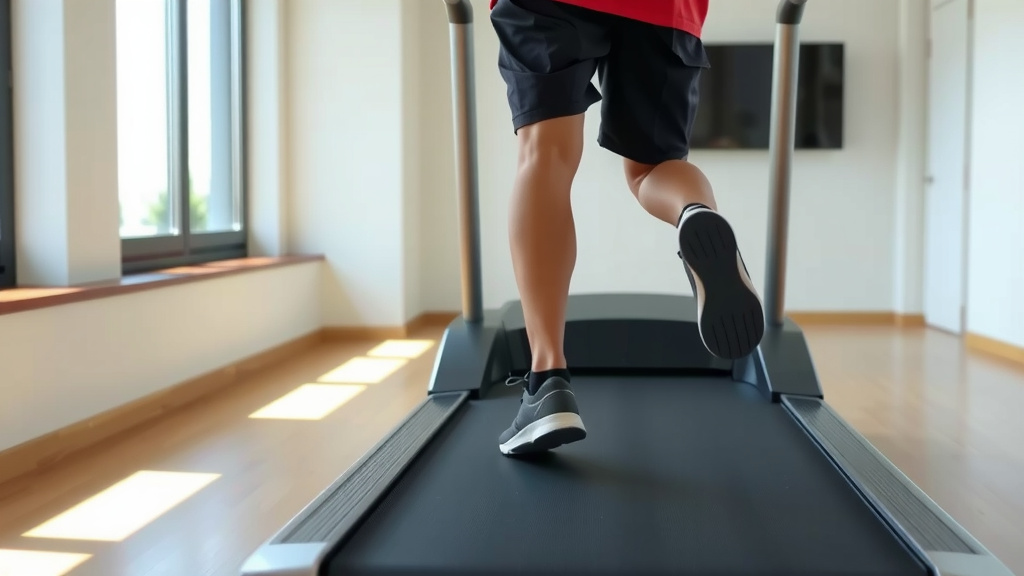
When you reach 13 mph, your stride length will shorten considerably to accommodate the rapid cadence. Your arms will pump vigorously to help with balance and momentum. Breathing becomes very deep and rapid. It’s a highly demanding physical act that requires your full attention and concentration. You’re no longer just exercising; you’re performing an athletic feat.
Safety First at High Speeds
Running at 13 mph carries inherent risks, especially if you’re not accustomed to it. A slight misstep or loss of balance can lead to a fall. It’s vital to use the safety clip and to be fully in control before setting the treadmill to such extreme speeds. Many experts recommend starting at slower speeds and gradually increasing them, rather than jumping straight to the maximum.
Comparing 13 MPH to Other Activities
To truly grasp how fast 13 mph is, let’s compare it to other things. It’s significantly faster than a casual jog, a brisk walk, or even the pace you might aim for during a challenging interval training session. Think about the speed of a bicycle on a flat road; 13 mph is much faster than most casual cyclists maintain.
Typical Treadmill Speeds vs. Elite Performance
For context, here’s a general idea of treadmill speeds and what they represent:
| Speed (MPH) | Approximate Mile Pace | Activity Level |
|---|---|---|
| 2.5 – 3.5 | 20:00 – 16:00 min/mile | Walking |
| 4.0 – 5.0 | 15:00 – 12:00 min/mile | Brisk Walking / Light Jogging |
| 6.0 – 7.0 | 10:00 – 8:30 min/mile | Jogging / Easy Run |
| 8.0 – 9.0 | 7:30 – 6:40 min/mile | Running / Moderate Pace |
| 10.0 – 11.0 | 6:00 – 5:30 min/mile | Fast Running / Tempo Pace |
| 12.0 – 13.0+ | ~5:00 – 4:30 min/mile | Sprinting / Elite Athlete Pace |
What This Means for Your Workout
If you’re aiming for 13 mph, you’re likely an advanced runner or athlete. For most fitness enthusiasts, focusing on sustainable paces that align with your goals – whether it’s endurance, fat loss, or general fitness – is more practical and beneficial. Pushing yourself is great, but doing so at speeds like 13 mph requires specialized training and a readiness to handle that intensity.
Progressing Safely Towards High Speeds
If reaching such speeds is a long-term aspiration, it’s important to build up to it. Consistent training, strength building, and gradual increases in speed are key. Listen to your body, and don’t rush the process. Proper warm-ups and cool-downs are also non-negotiable when you’re pushing your limits.
Key Takeaways for High-Speed Treadmill Running
- 13 mph is an elite sprinter speed, translating to a sub-5-minute mile.
- Most treadmills don’t reach this speed; it’s typically found on specialized equipment.
- Running at this pace requires exceptional athleticism, power, and technique.
- Safety is paramount; always use the safety clip and maintain control.
- Focus on gradual progression if high speeds are a training goal.
- For most people, speeds below 10-11 mph are more suitable for regular training.
Conclusion
So, 13 mph on a treadmill is an extraordinary speed reserved for elite sprinters, translating to a blistering sub-5-minute mile pace. You’ve learned that most standard treadmills simply can’t reach this speed, and even if yours can, it requires immense athleticism and focus. It’s a powerful reminder that while pushing your limits is important, your training should align with your fitness goals and capabilities.
For your own fitness journey, focus on the speeds that challenge you safely and effectively. Consider incorporating interval training at challenging but sustainable paces, and always listen to your body. If you’re looking to build speed, gradual progression is your best friend.
Frequently Asked Questions
Is 13 mph on a treadmill dangerous for the average person?
Yes, 13 mph can be dangerous for someone not trained for it. Your body isn’t prepared for that speed, increasing the risk of losing balance and falling. Always use the safety clip and be sure you can control the speed before attempting it.
What kind of treadmill can reach 13 mph?
Treadmills capable of 13 mph are usually high-end or specialized models. You’ll often find them in professional training facilities or gyms catering to elite athletes. Standard home treadmills typically max out between 10-12 mph.
How long can a sprinter actually run at 13 mph?
Elite sprinters can maintain 13 mph for short bursts, typically the duration of a 100m or 200m race. Sustaining this speed for much longer than 30-60 seconds becomes incredibly challenging even for them.
Can I train to run at 13 mph on a treadmill?
With dedicated and consistent training, building up to speeds like 13 mph is possible for very athletic individuals. This involves significant strength training, plyometrics, and gradually increasing your running speed over months or even years.
What’s the difference between 12 mph and 13 mph on a treadmill?
While both are very fast, the difference between 12 mph and 13 mph is significant. That extra mile per hour requires a much higher cadence and greater power output, pushing you from a very fast sprint into elite sprinter territory.