Treadmill Speed 11: How Fast Is It Really
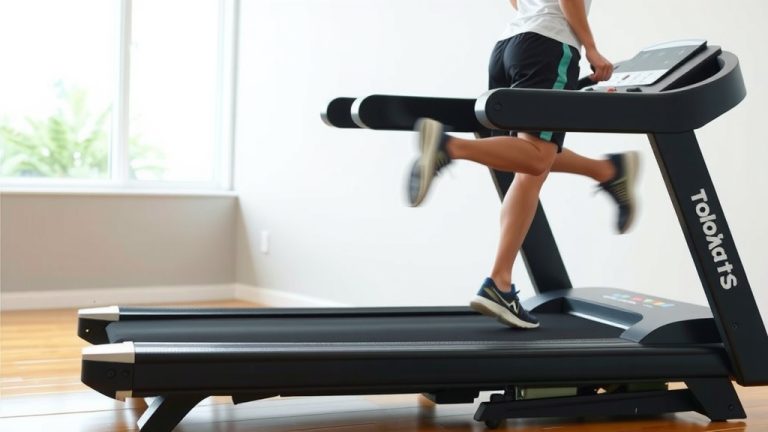
Running at 11 mph on a treadmill is considered a very fast pace, bordering on a sprint for most recreational runners. It’s equivalent to a 5:27 mile pace, which is significantly faster than the average jogging speed. Whether this speed is achievable for you depends on your fitness level, training, and experience.
This rapid pace is often used by elite athletes and sprinters during intense interval training or short bursts. For the average person, maintaining 11 mph requires a high level of cardiovascular fitness and leg speed. Many treadmills have a maximum speed of 12 mph, so 11 mph is near the top of their capabilities.
- 11 mph on a treadmill is a very fast running pace.
- It translates to a 5:27 mile, which is sprinting speed.
- This pace is typically for elite runners and sprinters.
- Your ability to run at 11 mph depends on your fitness and training.
Let’s get into what running at 11 mph really means for your body and how you can work towards it if that’s your goal.
Understanding an 11 MPH Treadmill Speed
Running at 11 miles per hour on a treadmill is quite the feat. It’s a speed that many recreational runners only dream about. This pace is serious business. Many experts consider it an elite running speed. It means you’re covering ground very, very quickly.
What 11 MPH Really Means in Terms of Pace
To put 11 mph into perspective, let’s break it down. It translates to a mile pace of about 5 minutes and 27 seconds. Imagine running a full mile in just over five and a half minutes. That’s almost a sprint for most people. For comparison, a typical jogging pace for many is around 9 to 10 mph. So, 11 mph is a noticeable jump in intensity.
This speed is more common in competitive racing. Think about 5K or 10K races. Elite runners often maintain speeds close to this. Sprinters might hit even higher speeds, but only for very short distances. For a sustained run, 11 mph is incredibly demanding. It requires a strong cardiovascular system and powerful leg muscles.
Physical Demands of Running at 11 MPH
What happens to your body when you try to maintain such a rapid pace? It’s a full-body workout, to say the least. Your heart rate will skyrocket. Your lungs will work overtime to deliver oxygen. Your legs will be pumping furiously.
Cardiovascular System Under Pressure
Your heart is a muscle, and at 11 mph, you’re giving it a serious workout. Studies show that high-intensity running significantly boosts cardiovascular fitness (CDC). Your heart needs to pump blood much faster to supply your working muscles. This increased demand strengthens your heart over time. It makes it more efficient at delivering oxygenated blood.
Expect your heart rate to reach zones typically associated with maximum effort. This is where you build serious aerobic capacity. Many fitness trackers will show you hitting your peak heart rate zones. This is why training at high speeds is so effective for improving endurance. It pushes your body’s limits.
Muscular Engagement and Power
Running at 11 mph isn’t just about your heart and lungs. Your leg muscles are under immense strain. Your quadriceps, hamstrings, and calf muscles need to contract and relax rapidly. This requires significant power and speed. You’ll feel the burn, especially in your calves and quads. They are working hard to propel you forward.
Your core muscles also play a vital role. They help stabilize your body. They ensure efficient transfer of power from your legs. Without a strong core, maintaining good form at high speeds becomes very difficult. You might find yourself losing balance or form. This can lead to inefficient movement and potential injury.
Who Runs at 11 MPH?
So, who is typically running at this speed on a treadmill? It’s not your average gym-goer. This pace is usually reserved for a specific group of athletes and dedicated runners.
Elite Athletes and Competitive Runners
Professional athletes and highly competitive runners are the most common individuals you’ll find at 11 mph. These individuals have dedicated years to training. They have built exceptional speed and endurance. For them, 11 mph might be their tempo run pace or a portion of their speed intervals.
Think about collegiate athletes or those training for marathons, half-marathons, or even shorter, faster races like 5Ks and 10Ks. They often incorporate very fast segments into their training plans. This helps them improve their overall race times. They understand the physiological benefits of pushing their speed limits.
Sprinters and Track Athletes
While 11 mph is fast for distance running, it’s moderate for pure sprinters. Sprinters are trained to reach much higher speeds, often exceeding 15-20 mph for short bursts. However, for sprinters doing specific types of interval training, 11 mph could be a part of their regimen. It might be used for longer sprints or active recovery between very fast bursts.
Advanced Fitness Enthusiasts with Specific Goals
Beyond competitive athletes, some very fit individuals might aim for 11 mph. This could be a personal challenge or a goal for improving their fitness. They might have a background in sports or have been running consistently for many years. They have likely built up the necessary fitness base to even attempt this speed.

Can You Train to Run at 11 MPH?
If 11 mph sounds like an impossible speed to you right now, don’t worry. With the right training plan, it’s a goal that many can work towards. It won’t happen overnight, but dedication pays off.
Building Your Speed Foundation
Before you even think about hitting 11 mph, you need a solid running base. This means consistently running several times a week. Focus on building your endurance at a comfortable pace first. Running longer distances at a moderate intensity is key. This strengthens your muscles and improves your aerobic capacity.
Many coaches recommend building up to being able to comfortably run 3-5 miles at a steady pace. This establishes a good foundation. Without this, attempting high speeds can lead to injury. Research from the Mayo Clinic often highlights the importance of gradual progression in exercise.
Incorporating Interval Training
Once you have a good base, you can start introducing speed work. Interval training is your best friend here. This involves alternating between periods of high-intensity running and periods of rest or lower-intensity jogging.
For example, you might do intervals like: run for 30 seconds at a very fast pace, then jog for 60-90 seconds to recover. Repeat this several times. As you get fitter, you can increase the duration of the fast intervals or decrease the recovery time. This teaches your body to handle faster paces and recover more efficiently.
Sample Interval Progression (Hypothetical)
| Phase | Workout Example | Focus |
|---|---|---|
| Beginner Speed | Run 400m at 9.5 mph, Jog 400m recovery | Building pace tolerance |
| Intermediate Speed | Run 200m at 10.5 mph, Jog 200m recovery | Increasing speed endurance |
| Advanced Speed | Run 150m at 11 mph, Jog 150m recovery | Approaching target speed |
The Importance of Proper Form and Technique
Running fast requires efficient form. At 11 mph, poor form will quickly lead to fatigue and potential injury. Focus on keeping your body upright. Your arms should swing forward and back, not across your body. Aim for a quick cadence, meaning your feet hit the ground rapidly. Avoid overstriding, which can cause braking and inefficiency.
Many runners find it helpful to watch videos of elite runners. They can observe their technique. Sometimes, working with a running coach can provide personalized feedback. They can spot issues with your gait that you might not be aware of. Good form is essential for sustained speed.
Listen to Your Body and Rest
Pushing yourself to reach a speed like 11 mph requires discipline. However, it’s equally important to listen to your body. Overtraining can lead to burnout and injuries. Make sure you incorporate rest days into your training schedule. Sleep is also critical for muscle repair and recovery.
We found that balancing intense workouts with adequate rest is key. It allows your body to adapt and get stronger. If you feel persistent pain, it’s always best to consult a healthcare professional. They can help diagnose and treat any issues before they become serious.
To get yourself ready for speeds like 11 mph, consider these steps:
- Build a consistent running base for at least 3-6 months.
- Incorporate 1-2 days of speed work per week.
- Focus on proper running form and posture.
- Gradually increase the duration and intensity of your speed intervals.
- Ensure you get enough sleep and rest between tough workouts.
- Consider cross-training to strengthen supporting muscles.
Conclusion
Running at 11 mph on a treadmill is an impressive display of speed, reserved for those with serious training and fitness. It’s a pace that challenges your cardiovascular system and demands powerful leg muscles. While it’s a goal for elite athletes, advanced fitness enthusiasts can also work towards it with consistent, smart training. Remember to build a solid base first, incorporate targeted interval workouts, and always prioritize good form and listening to your body. Ready to start your journey toward faster treadmill speeds?
Frequently Asked Questions
Is 11 mph on a treadmill a sprint?
Yes, 11 mph is generally considered a sprint pace. It translates to a mile in just over five and a half minutes, which is faster than most people can comfortably sustain for long distances. This speed is typically seen in short, intense bursts.
How many calories can you burn running at 11 mph?
Running at 11 mph burns a very high number of calories due to the intense effort required. The exact amount depends on your body weight and the duration you can maintain the speed. You’re looking at a significant calorie expenditure in a short amount of time.
What is the fastest treadmill speed?
Most standard treadmills have a maximum speed of around 12 mph. Some high-performance or commercial models might go slightly faster, but 11 mph is already at the upper limit for the majority of home and gym treadmills.
Can beginners run at 11 mph on a treadmill?
No, beginners absolutely cannot and should not attempt to run at 11 mph. This speed requires a high level of cardiovascular fitness and leg strength developed over months or years of consistent training. Trying it too soon can lead to serious injury.
How can I safely work up to running at 11 mph?
To safely work up to 11 mph, start by building a strong endurance base at slower paces. Then, gradually introduce speed work through interval training, focusing on proper form. Listen to your body, increase intensity slowly, and ensure adequate rest and recovery between workouts.